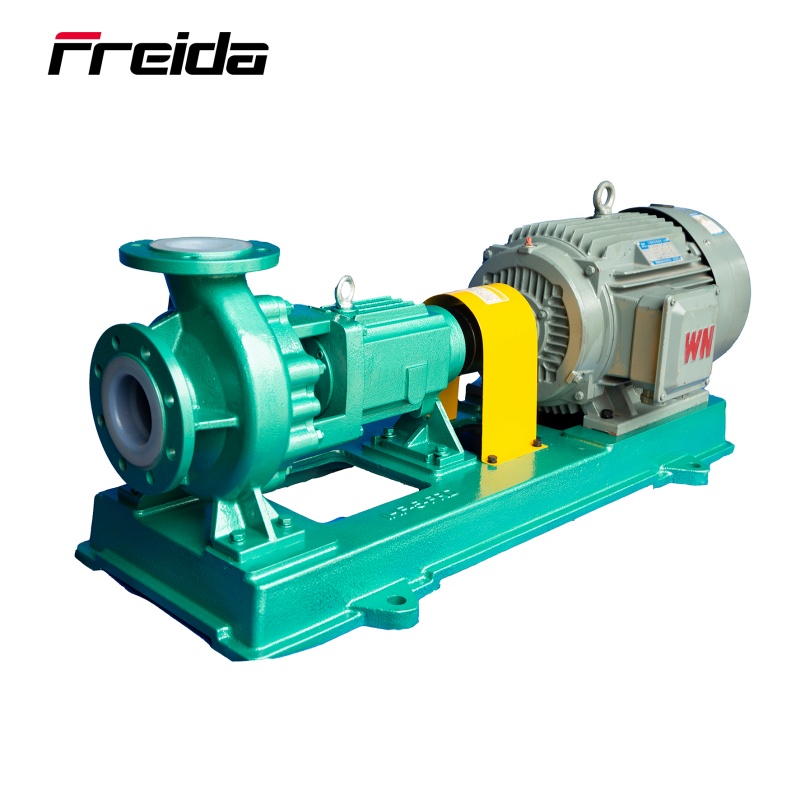
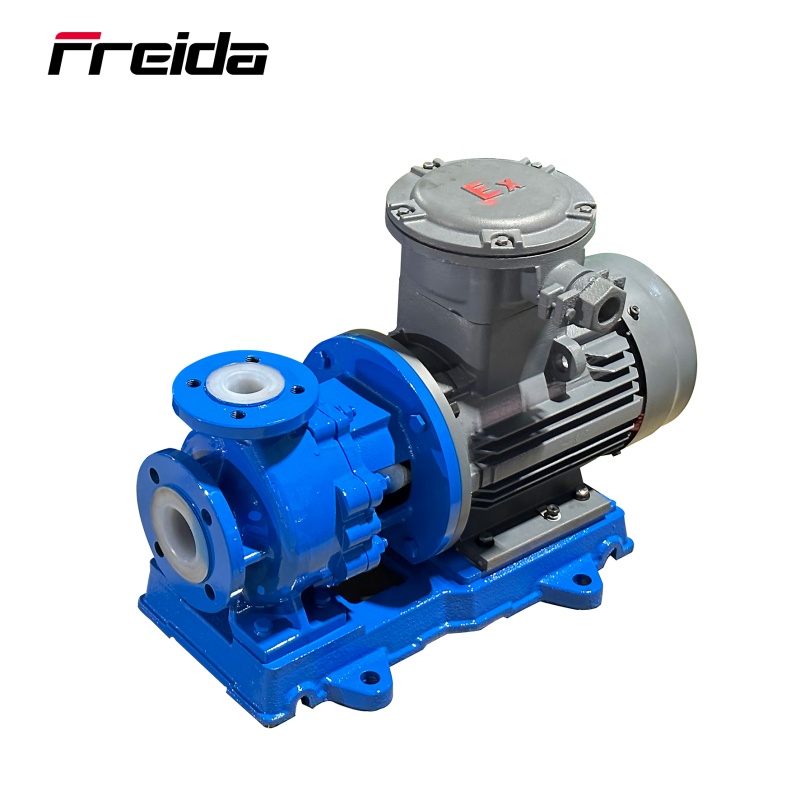
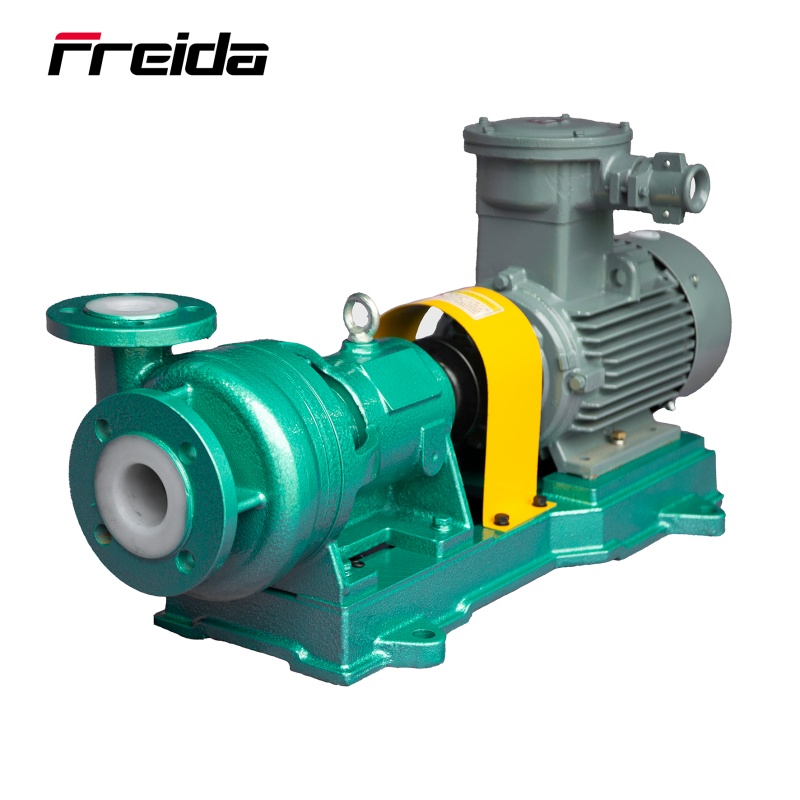
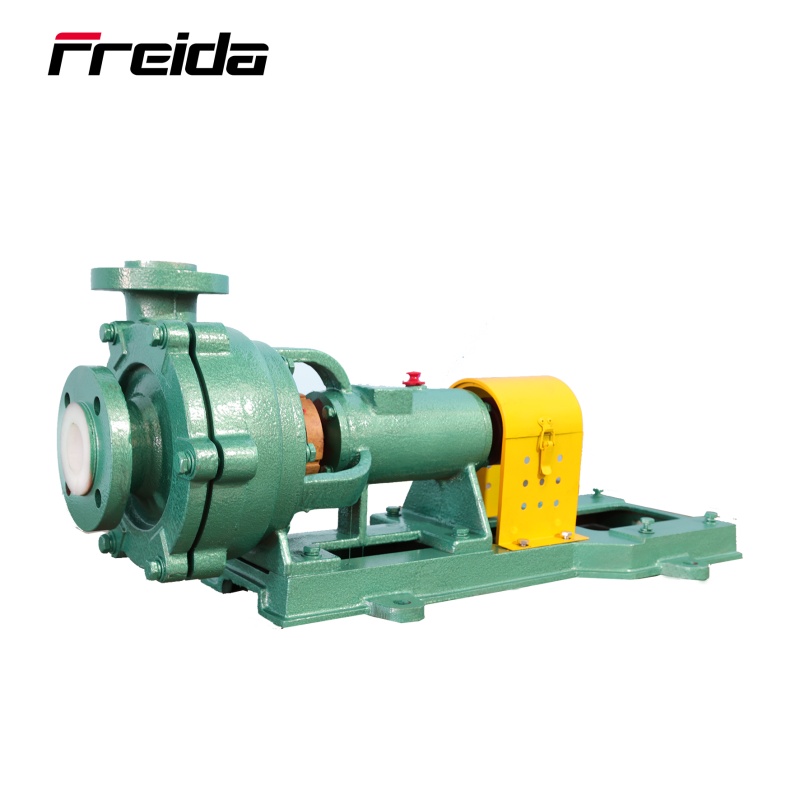
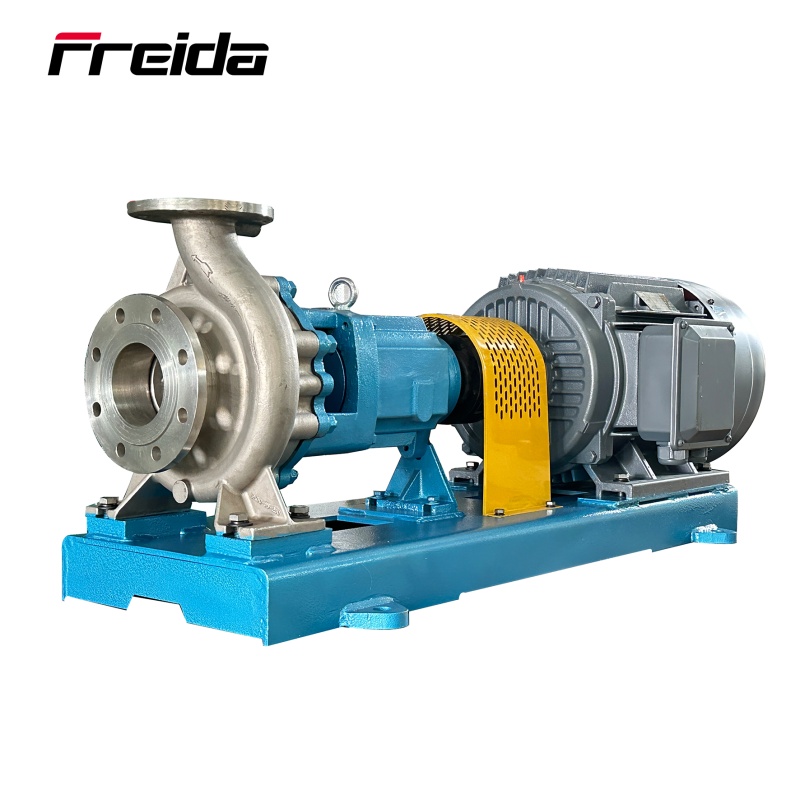
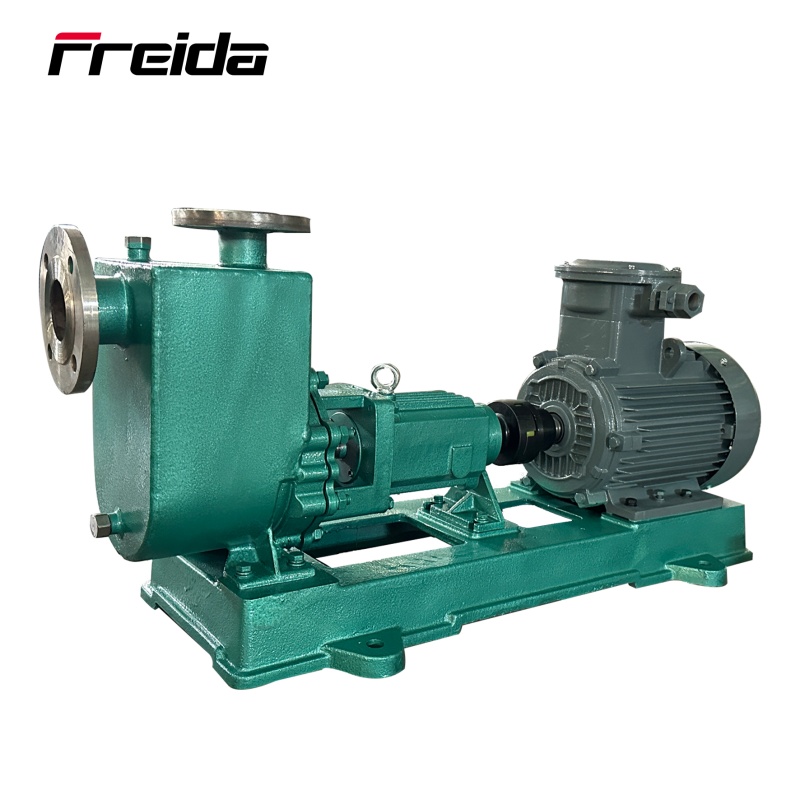
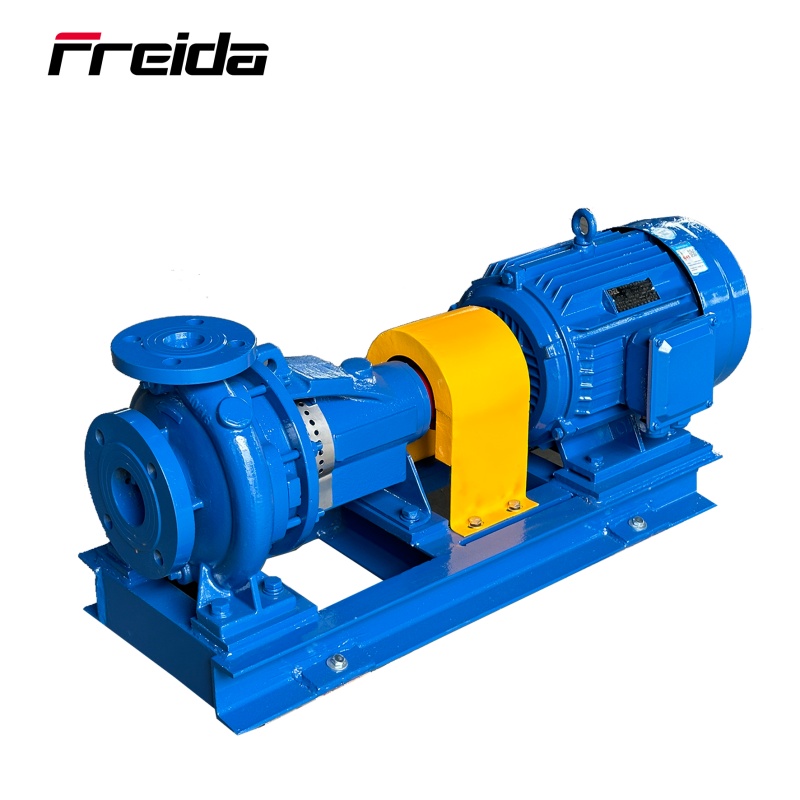
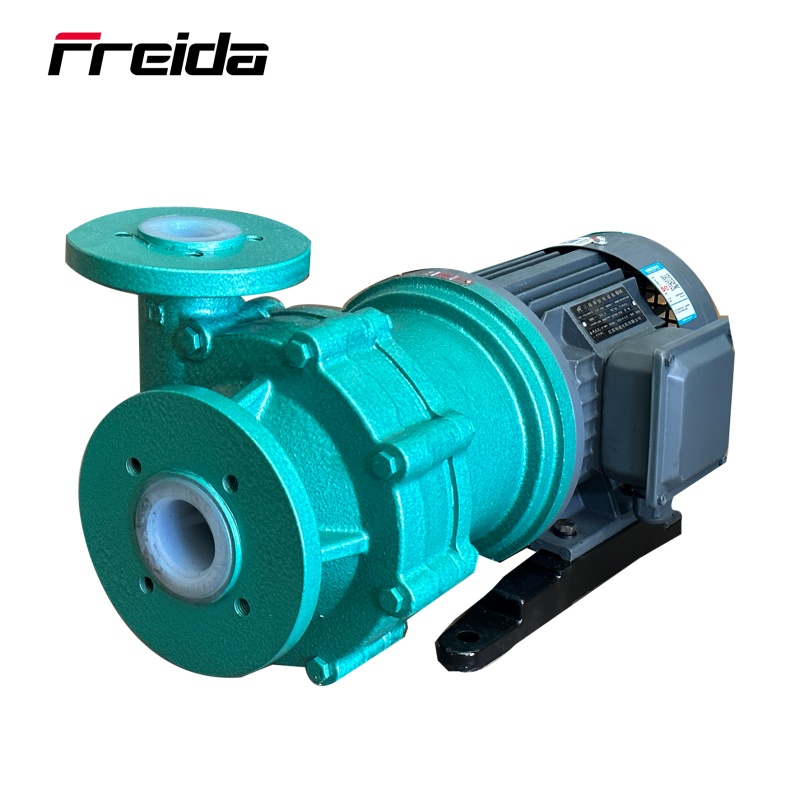
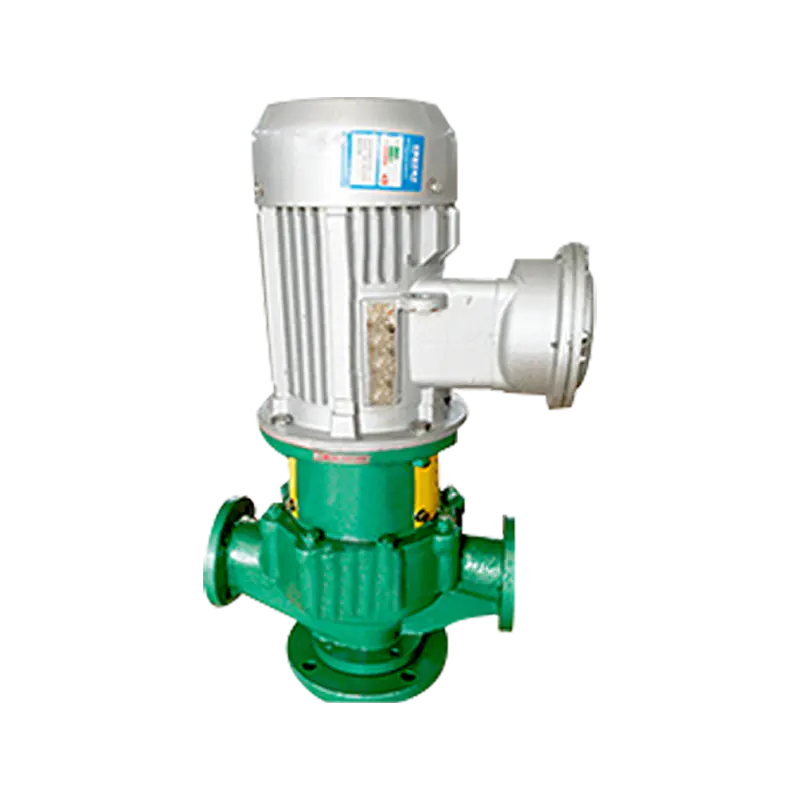
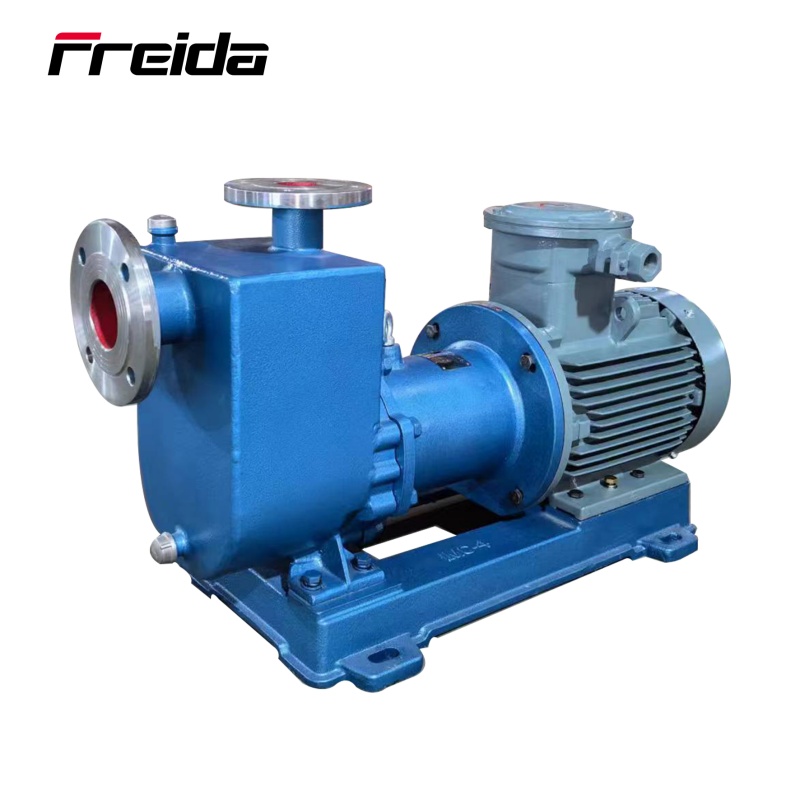
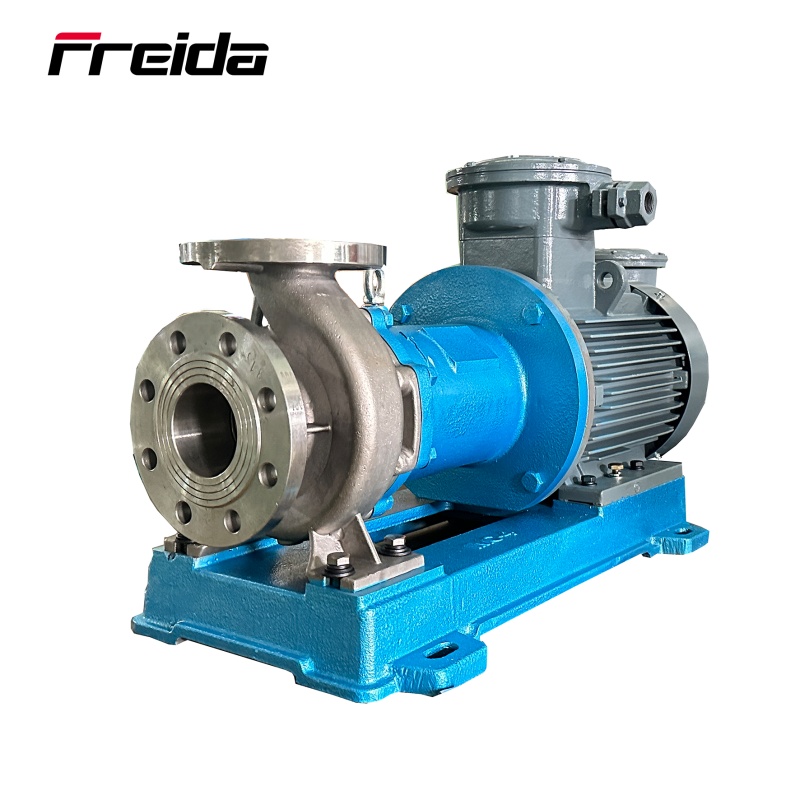
A magnetic pump is a type of seal-less pump that uses magnetic force to transfer torque from the motor to the impeller. Unlike traditional pumps, it does not rely on a mechanical shaft seal. Instead, the inner magnet drives the impeller through an outer magnet, completely isolating the liquid from the motor.
This design makes magnetic drive pumps especially suitable for handling hazardous, corrosive, or high-purity liquids. Since there is no direct shaft penetration, the risk of leakage is greatly reduced, which improves safety and lowers maintenance costs.
How a Magnetic Pump Works in Real Applications
The core working principle of a magnetic pump is simple but effective. The motor rotates an external magnet, which creates a magnetic field. This field drives the internal magnet connected to the impeller, causing the liquid to move through centrifugal force.
Because the pump chamber is completely sealed, magnetic centrifugal pumps are ideal for continuous operation where leakage, contamination, or evaporation must be avoided.
Main Advantages of Using a Magnetic Drive Pump
- Leak-free design that improves safety and environmental protection
- No mechanical seals, reducing wear and routine maintenance
- Excellent for corrosive, toxic, or expensive liquids
- Stable and quiet operation under continuous duty
These benefits make magnetic pumps a popular choice in chemical processing, laboratories, and precision manufacturing environments.
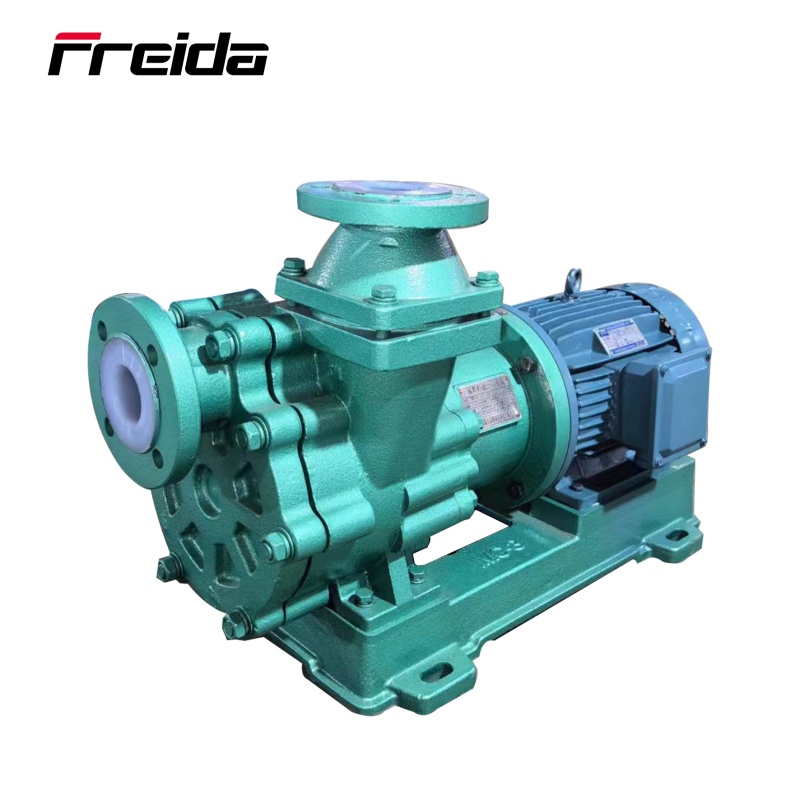
Typical Industries and Applications for Magnetic Pumps
A magnetic pump is widely used in industries that demand strict leakage control and fluid purity. From small laboratory systems to large industrial lines, magnetic driven pumps adapt well to different operating scales.
| Industry |
Common Applications |
| Chemical Processing |
Acids, alkalis, solvents, and chemical transfer |
| Pharmaceutical |
High-purity liquids and sensitive formulations |
| Electronics |
Chemical baths and PCB processing fluids |
| Water Treatment |
Chemical dosing and circulation systems |
Key Factors to Consider When Choosing a Magnetic Pump
Selecting the right magnetic pump requires more than just matching flow and pressure. Because there is no mechanical seal, internal cooling and lubrication depend on the pumped liquid itself.
Flow Rate and Head
Always ensure the required flow rate and head fall within the pump’s performance curve. Operating outside the recommended range can cause excessive heat buildup inside the pump.
Liquid Properties
Magnetic centrifugal pumps work best with clean, low-viscosity liquids. Fluids containing solids or with very high viscosity may reduce efficiency and shorten pump life.
Material Compatibility
Common materials include stainless steel, PP, and fluoroplastics. The pump material should be selected based on corrosion resistance, temperature limits, and chemical compatibility.
Maintenance Tips for Magnetic Drive Pumps
Although magnetic pumps are known for low maintenance, proper operation is still essential. Dry running should always be avoided, as the liquid is needed to cool and lubricate internal components.
- Ensure the pump is fully primed before startup
- Regularly check for unusual noise or vibration
- Keep the pumped liquid clean to prevent internal wear
Why a Magnetic Pump Is a Smart Long-Term Choice
A magnetic pump offers a reliable and safe solution for fluid transfer when leakage is not an option. With proper selection and operation, magnetic drive pumps deliver stable performance, reduced downtime, and lower lifetime costs, making them a smart investment for modern industrial systems.



 English
 русский
 Español
 Français