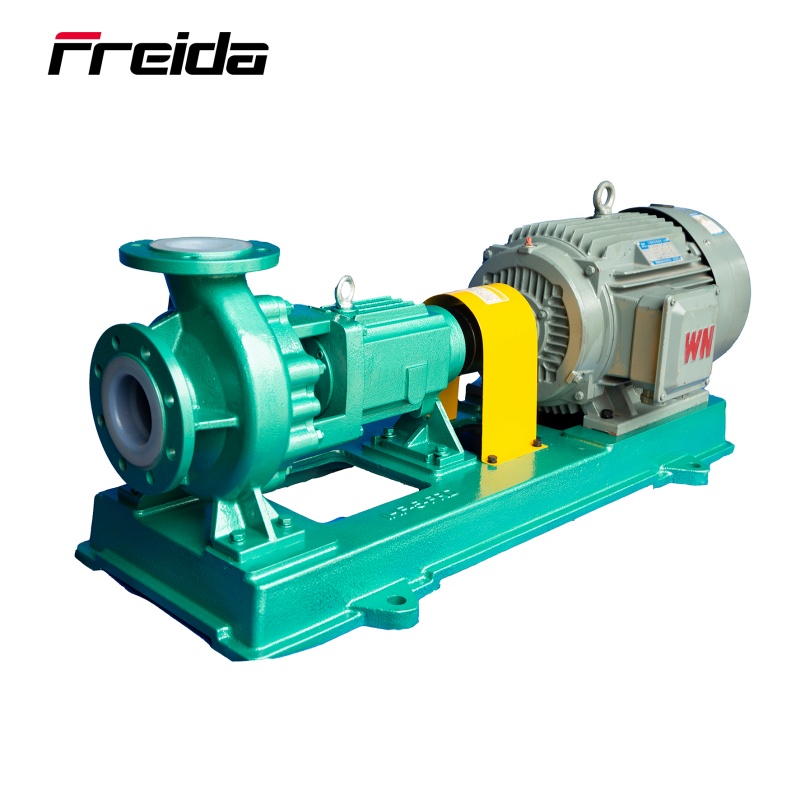
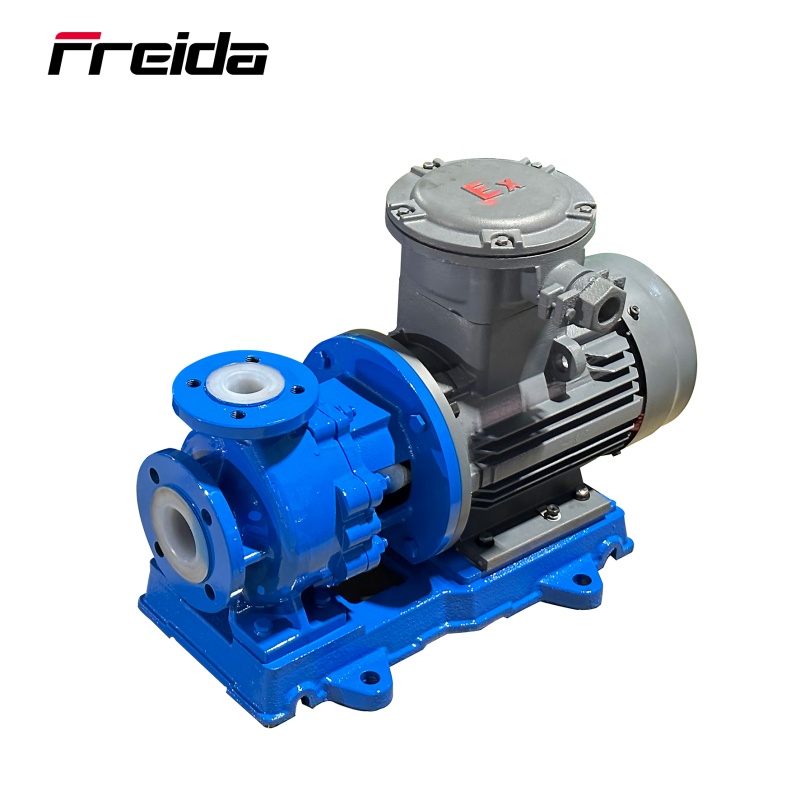
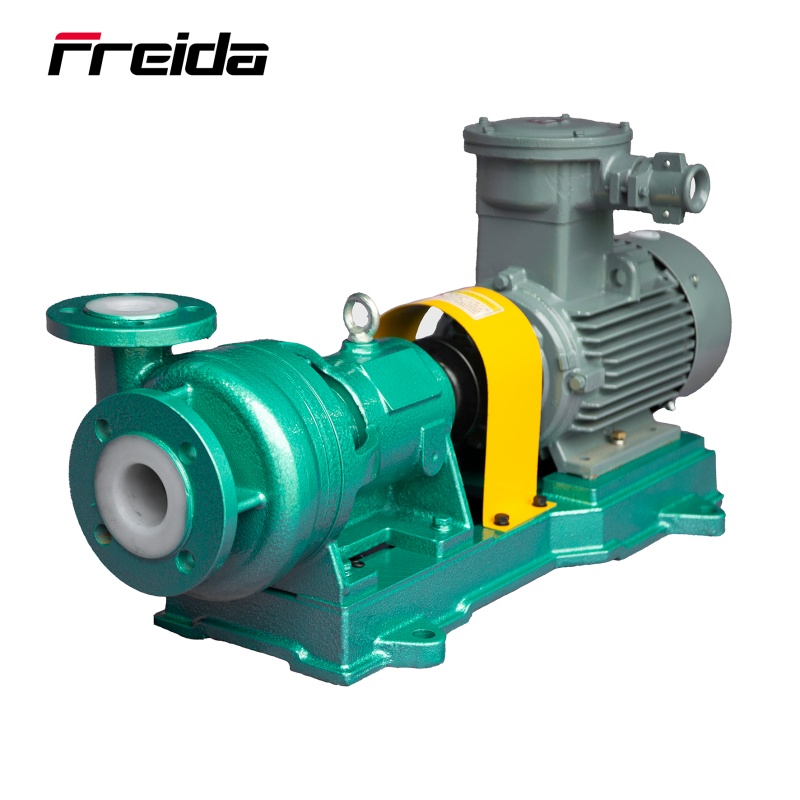
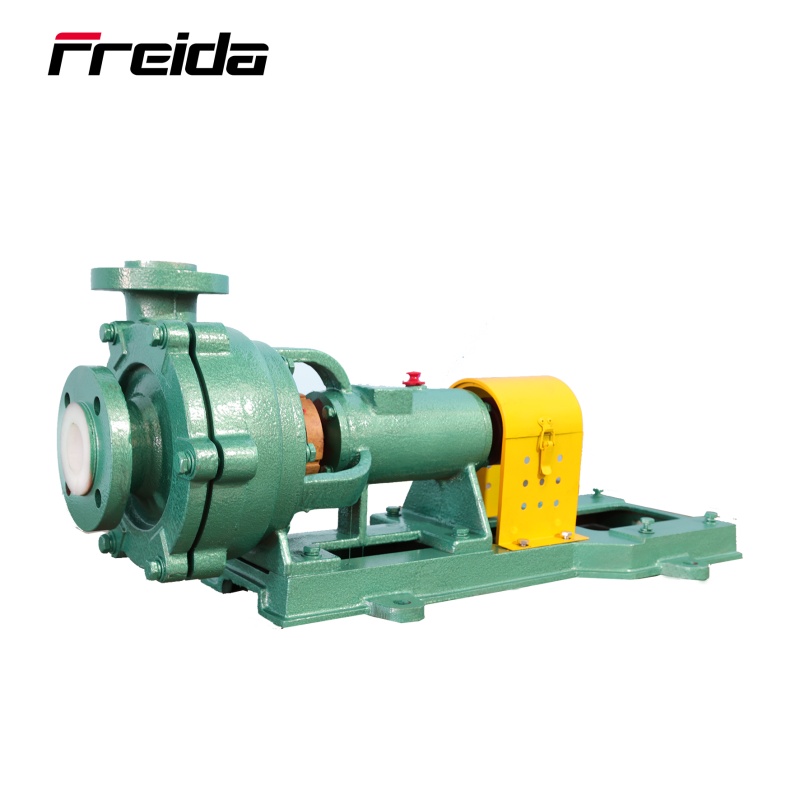
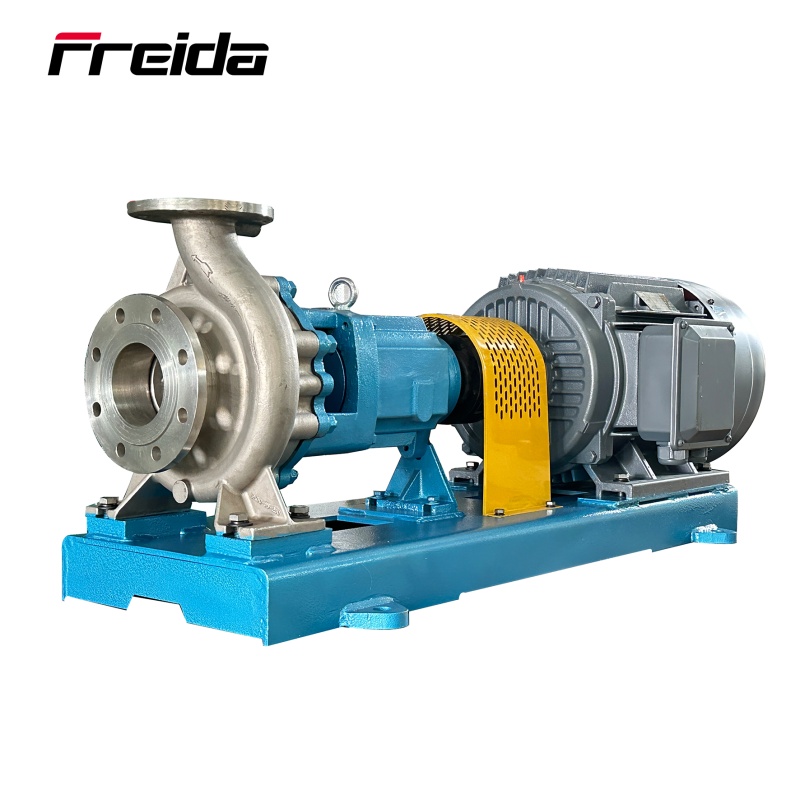
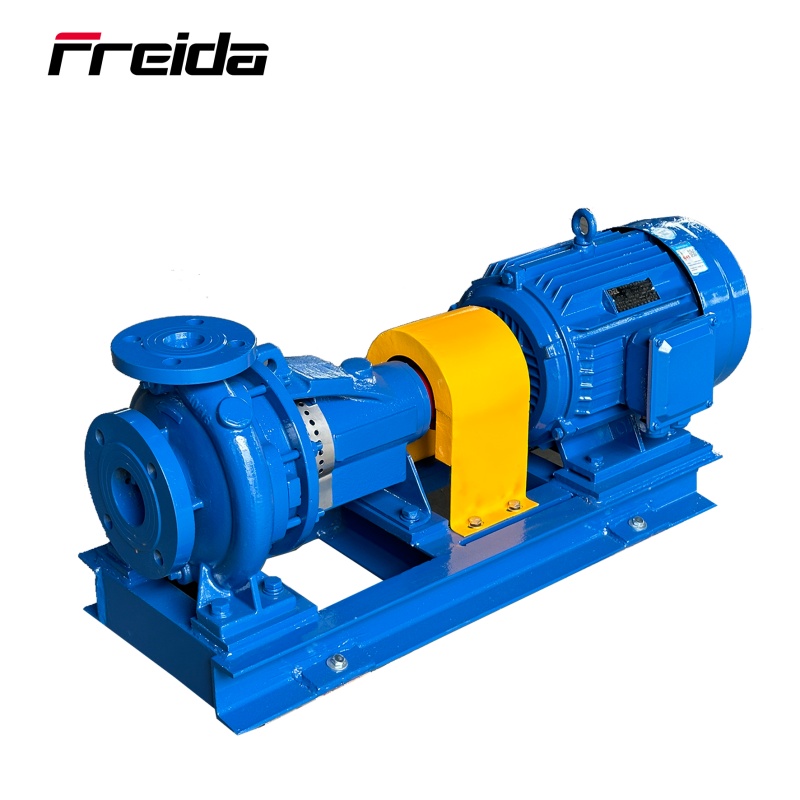
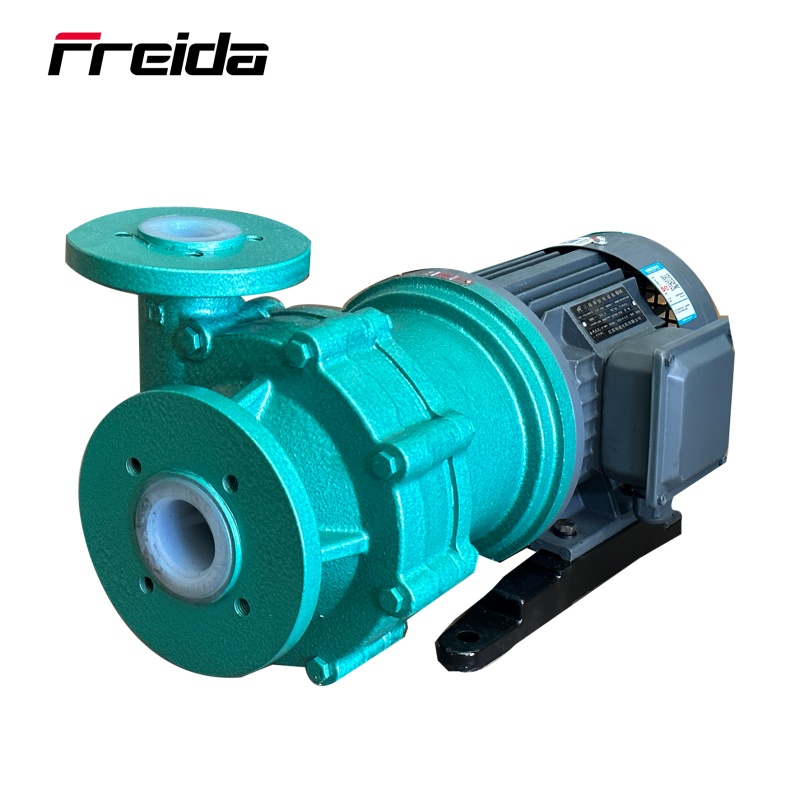
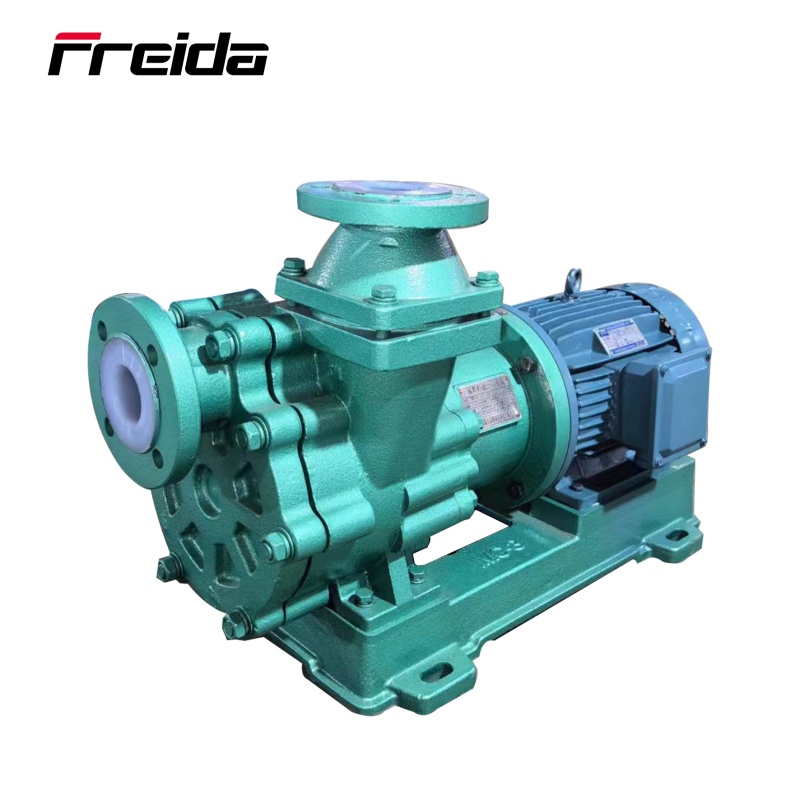
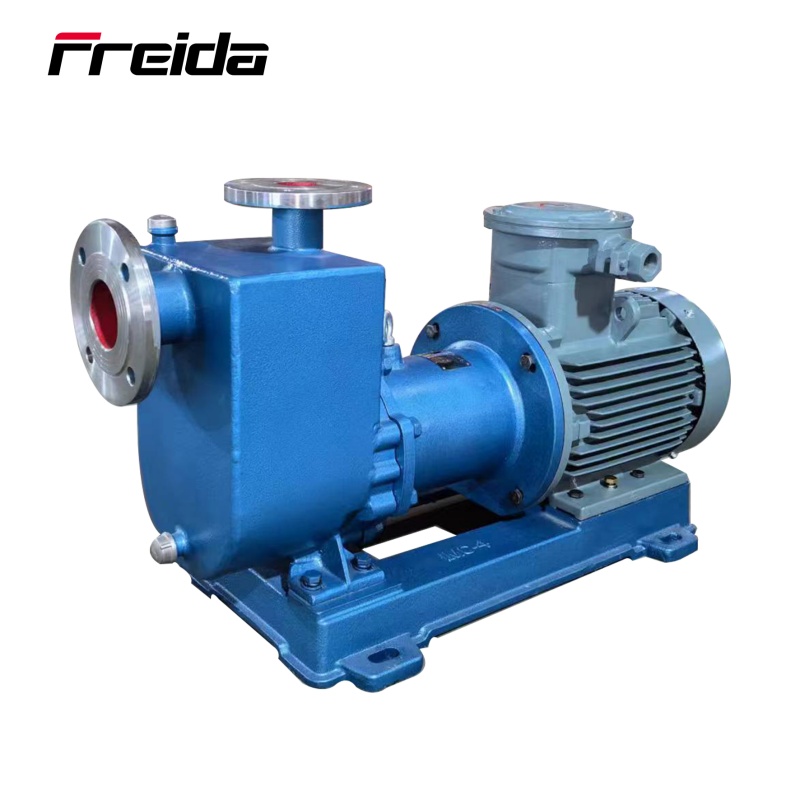
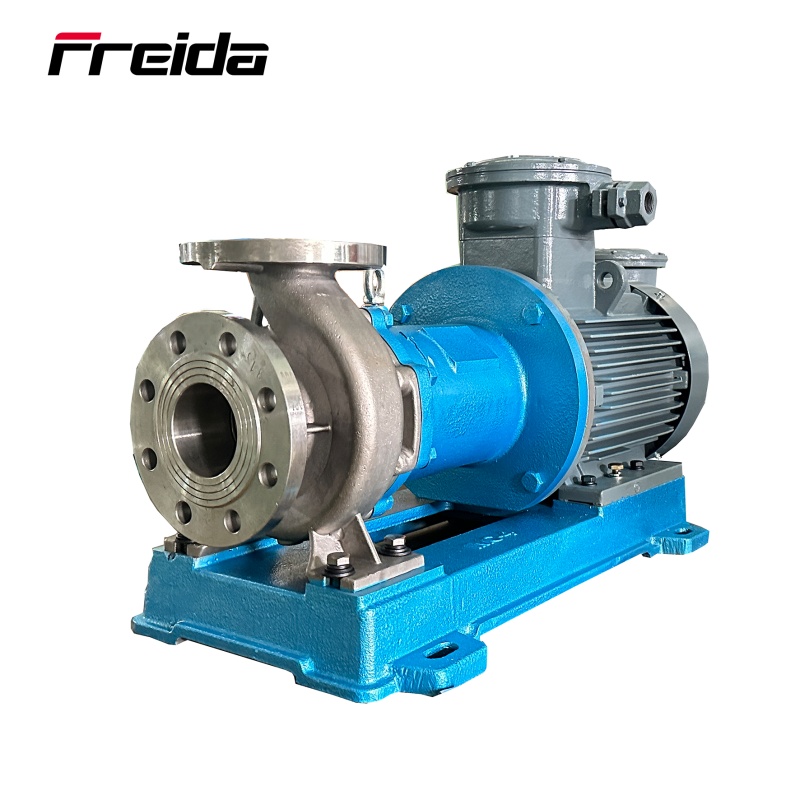
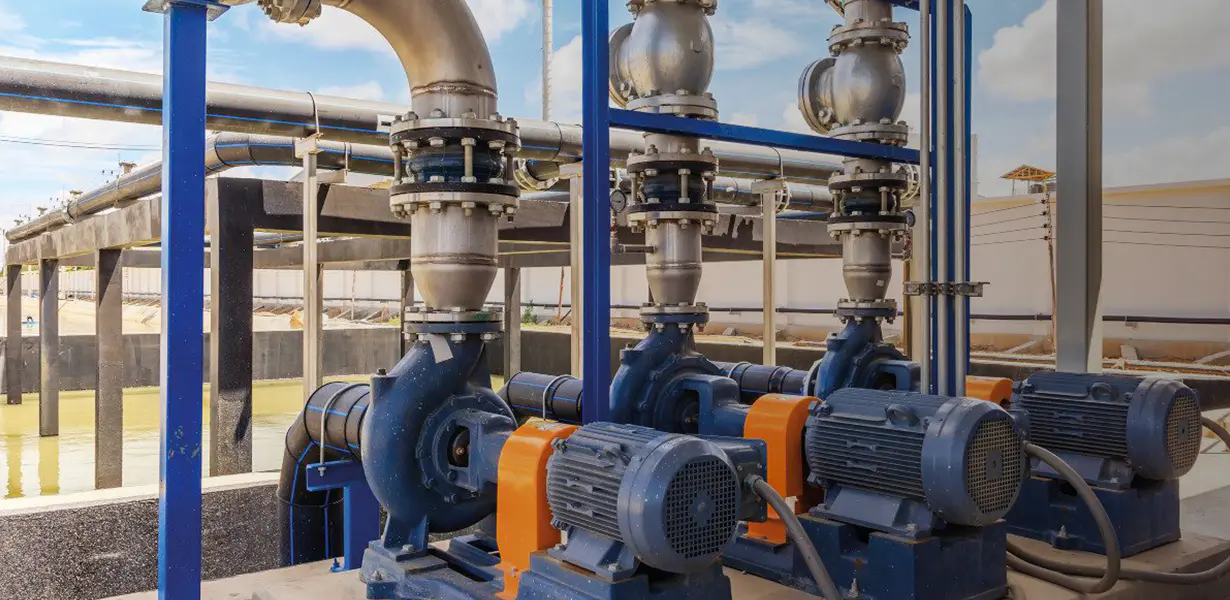
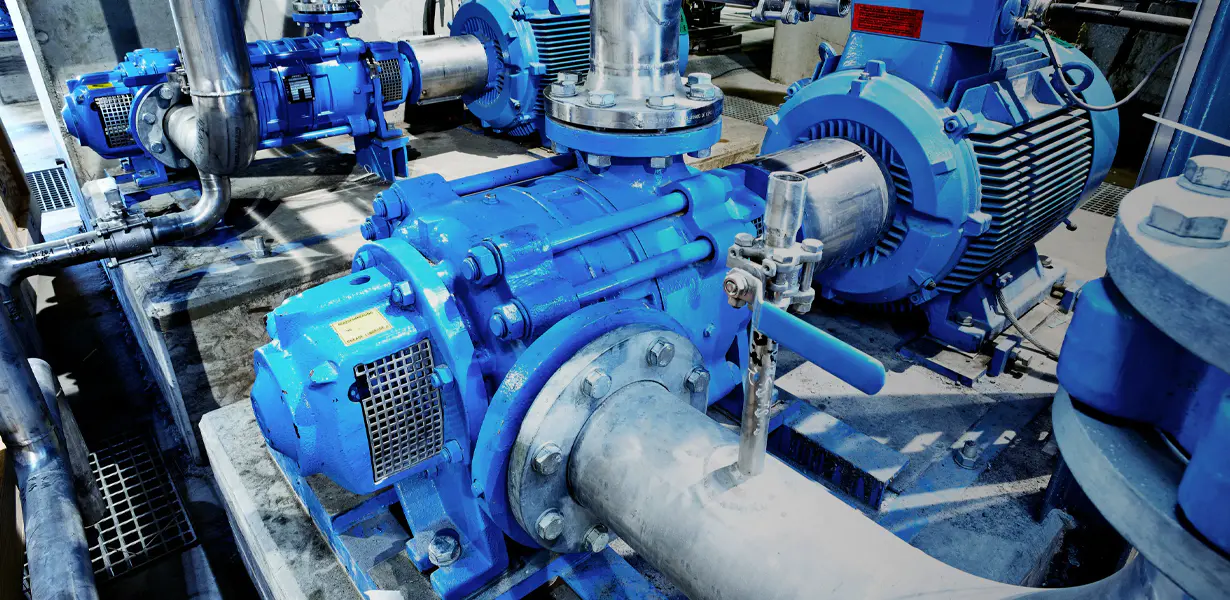
A stainless steel centrifugal pump is a type of fluid transfer pump that uses rotational energy from an impeller to move liquids efficiently. The pump casing, impeller, or both are made from stainless steel, which gives it strong resistance to corrosion, rust, and chemical attack. Because of this, stainless steel centrifugal pumps are widely used in industries where cleanliness, durability, and stable performance are critical.
Compared with cast iron or plastic pumps, a centrifugal pump made of stainless steel performs better in harsh environments such as chemical processing, food production, and pharmaceutical manufacturing. It handles clean water, corrosive liquids, and even mildly viscous fluids with consistent flow and pressure.
How a Stainless Steel Centrifugal Pump Works
The working principle of a stainless steel centrifugal pump is simple and reliable. When the motor drives the impeller to rotate at high speed, liquid enters the pump through the inlet and is thrown outward by centrifugal force. This energy converts velocity into pressure, pushing the liquid out through the discharge port.
Because the internal flow path is smooth and the stainless steel surface resists buildup, these pumps deliver steady flow with minimal energy loss. This makes them suitable for continuous-duty applications where downtime must be minimized.
Key Advantages of Stainless Steel Centrifugal Pumps
- Strong corrosion resistance, ideal for acidic, alkaline, or saline liquids
- Hygienic surface that meets food-grade and sanitary standards
- High mechanical strength for long service life and stable operation
- Easy cleaning and maintenance due to smooth internal structure
These benefits explain why stainless steel centrifugal water pumps and chemical transfer pumps are often chosen over standard materials when reliability and cleanliness are non-negotiable.
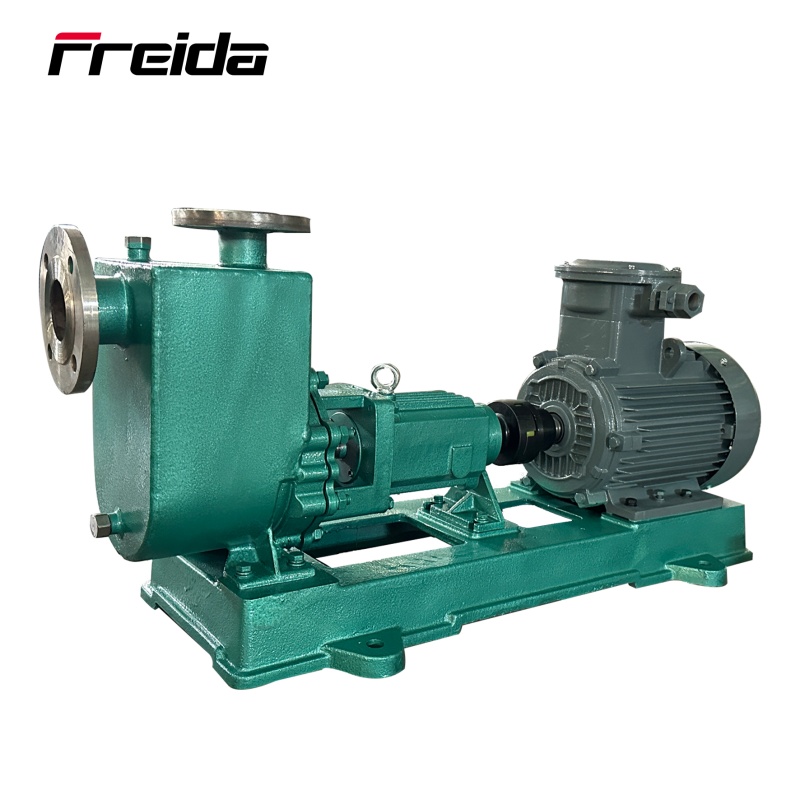
Common Applications in Different Industries
A centrifugal pump in stainless steel is highly versatile and fits a wide range of industrial and commercial uses. Its ability to handle different liquids without contamination makes it especially valuable in regulated environments.
| Industry |
Typical Use |
| Food & Beverage |
Milk, juice, syrup, and CIP system transfer |
| Chemical Processing |
Acids, solvents, and chemical solutions |
| Pharmaceutical |
Purified water and liquid medicine handling |
| Water Treatment |
Clean water circulation and filtration systems |
How to Choose the Right Stainless Steel Centrifugal Pump
Selecting the right stainless steel centrifugal pump depends on matching the pump specifications with real operating conditions. Choosing incorrectly can lead to inefficiency, premature wear, or system failure.
Flow Rate and Head Requirements
Always calculate the required flow rate and total head before selecting a pump. Stainless steel centrifugal pumps perform best within their designed operating range, so oversizing or undersizing should be avoided.
Liquid Characteristics
Consider the temperature, viscosity, and chemical composition of the liquid. While stainless steel pumps handle corrosion well, seal materials and impeller design must also be compatible with the fluid.
Material Grade and Construction
Common options include SUS304 and SUS316 stainless steel. For highly corrosive or chloride-rich environments, 316 stainless steel centrifugal pumps usually offer better long-term performance.
Maintenance Tips for Long-Term Performance
Proper maintenance keeps a stainless steel centrifugal pump running smoothly and extends its service life. Regular inspection helps identify issues before they cause unexpected downtime.
- Check seals and bearings periodically for wear or leakage
- Clean the pump interior to prevent residue buildup
- Monitor vibration and noise as early warning signs
Why Stainless Steel Centrifugal Pumps Are a Smart Investment
Although stainless steel centrifugal pumps may have a higher initial cost than standard pumps, their durability, low maintenance needs, and reliable performance often reduce total operating costs. For industries that demand clean, stable, and corrosion-resistant pumping solutions, they remain a practical and cost-effective choice.



 English
 русский
 Español
 Français