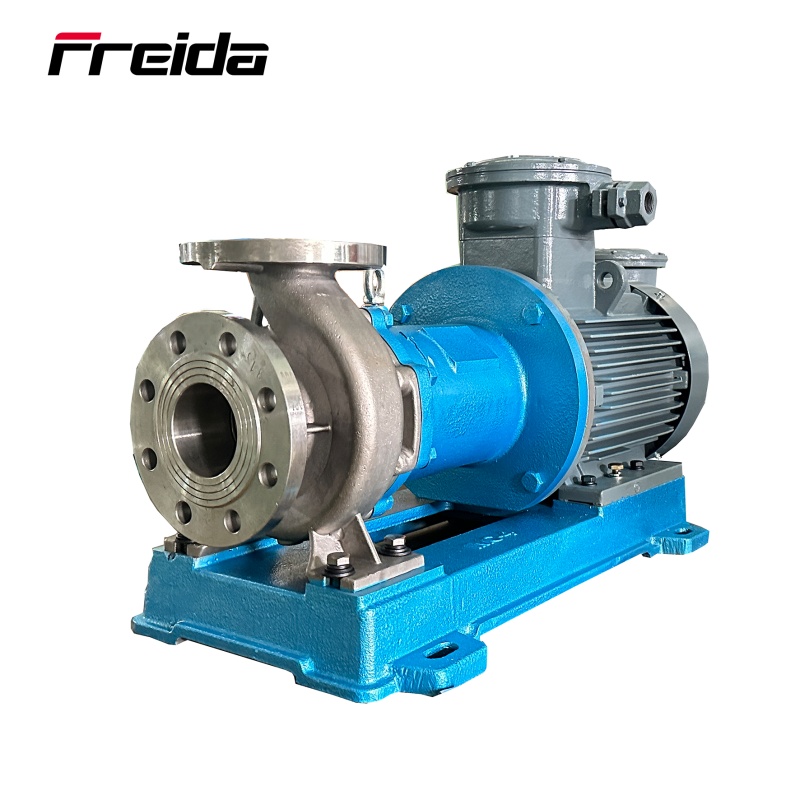
Core Design Principles of Large Flow Centrifugal Pumps
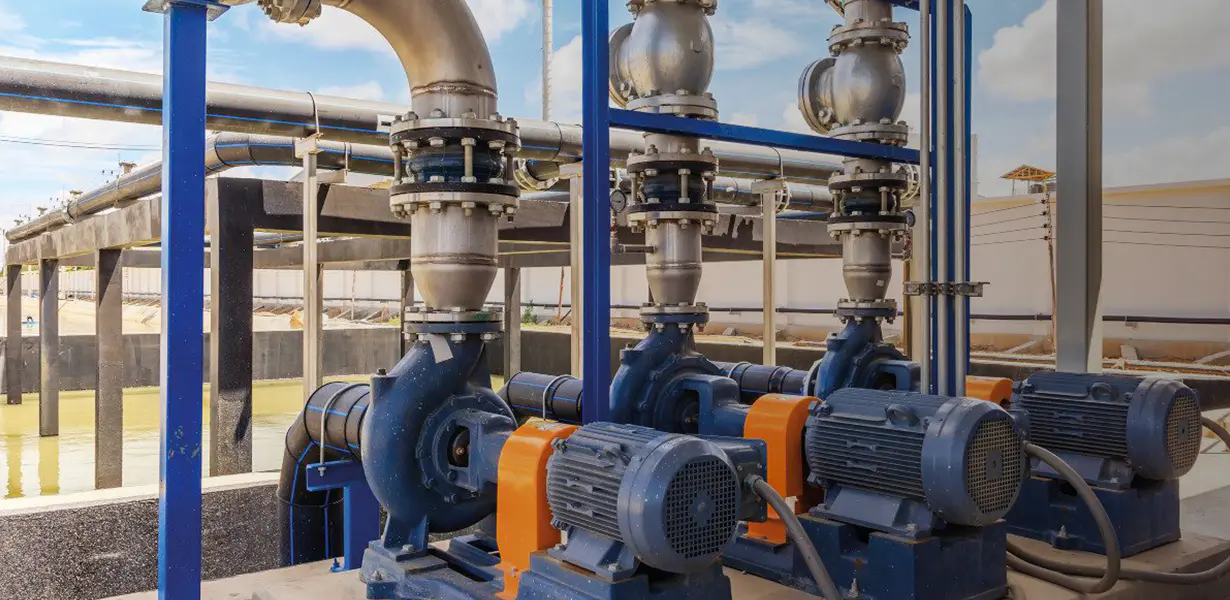
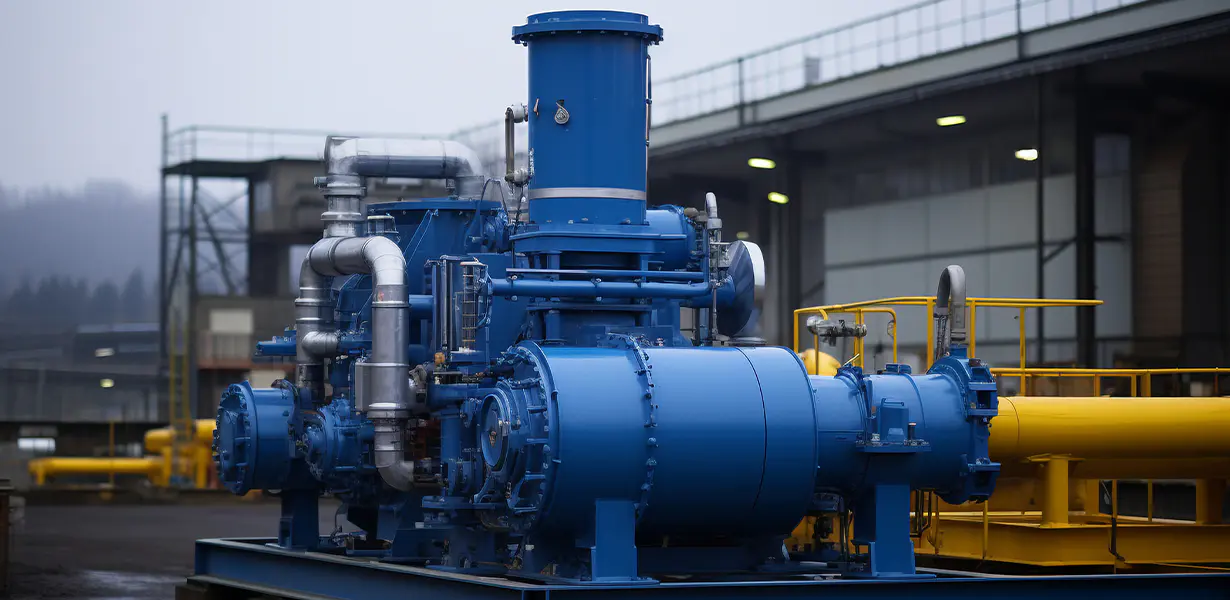
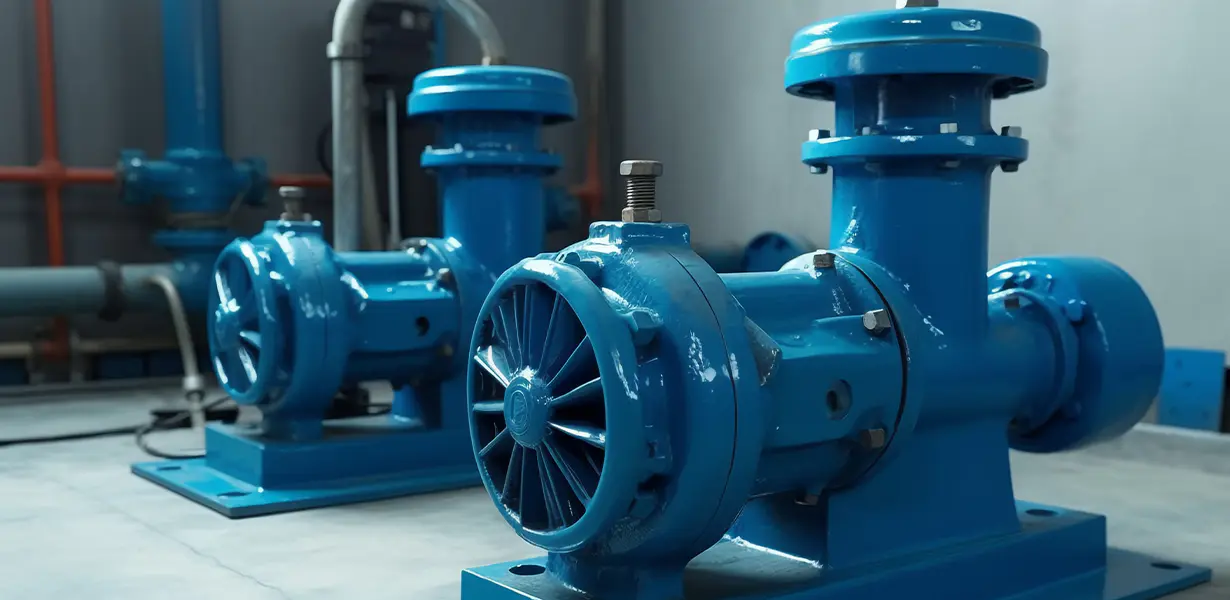
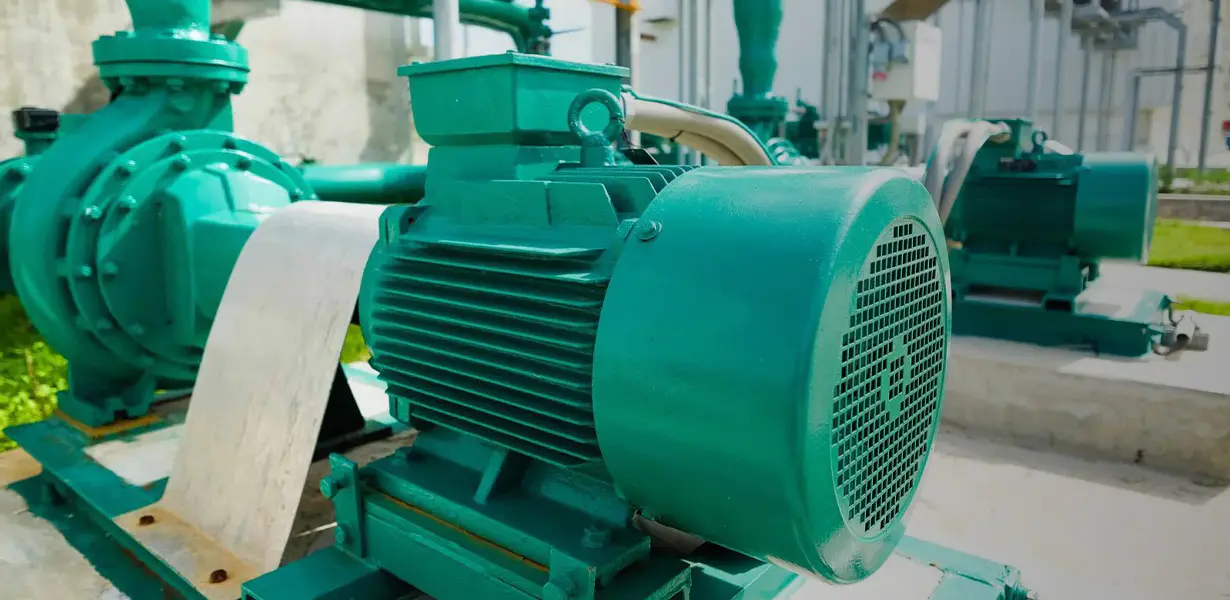
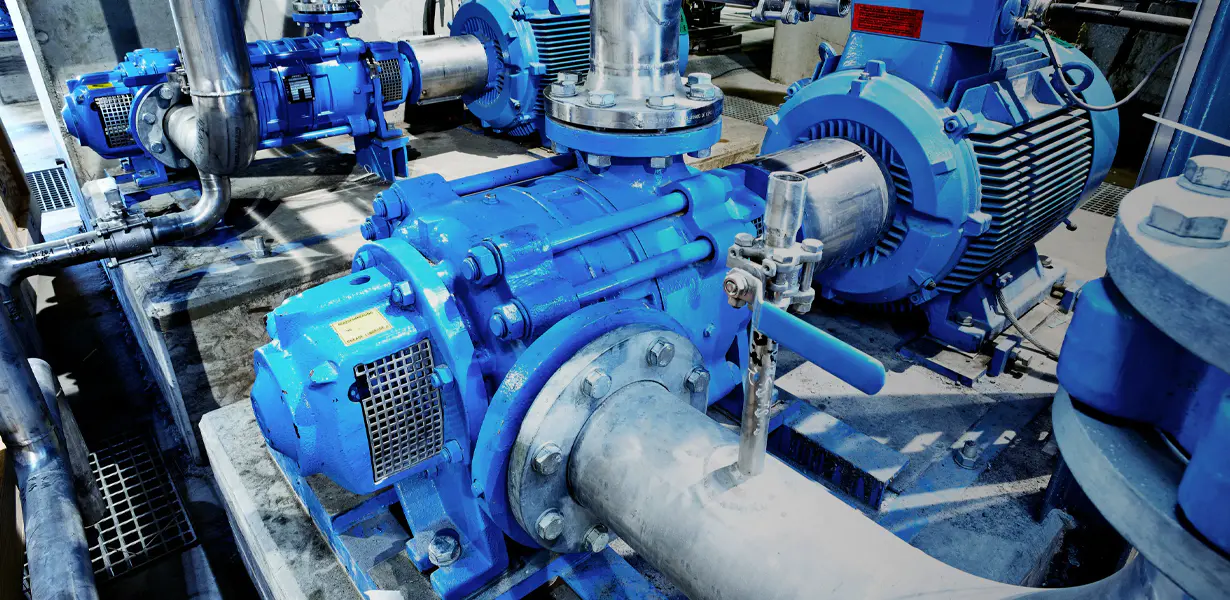
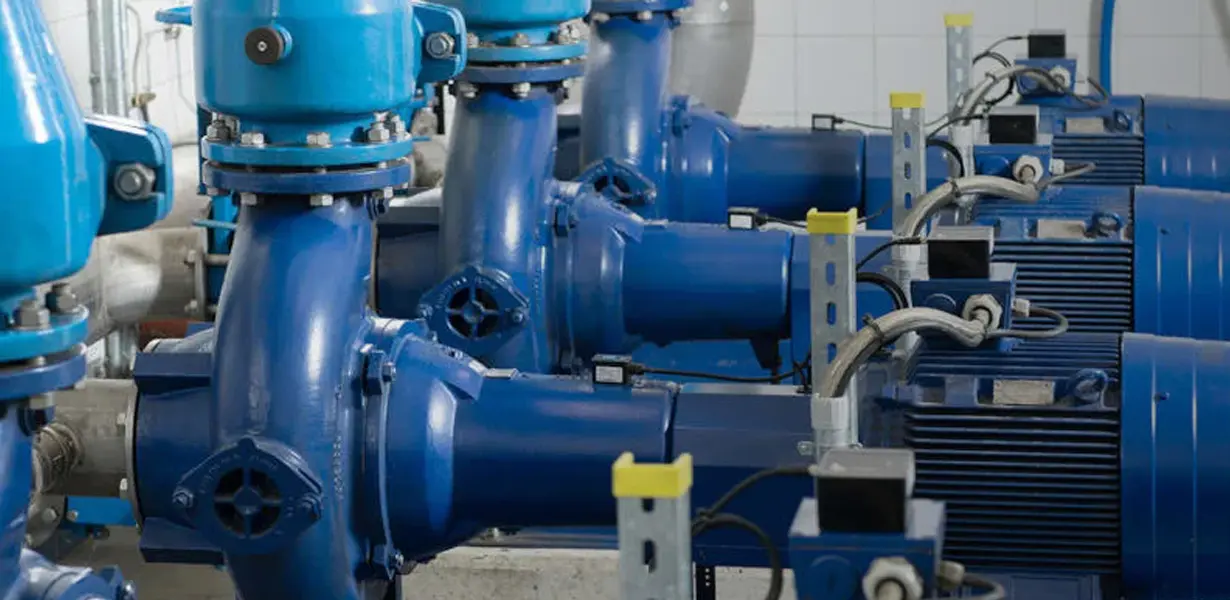
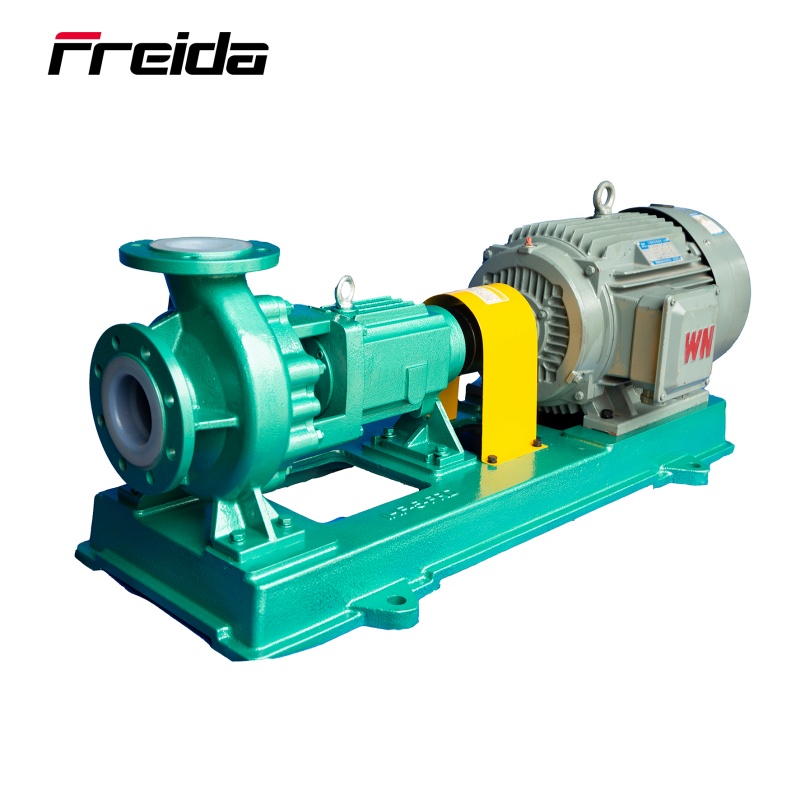
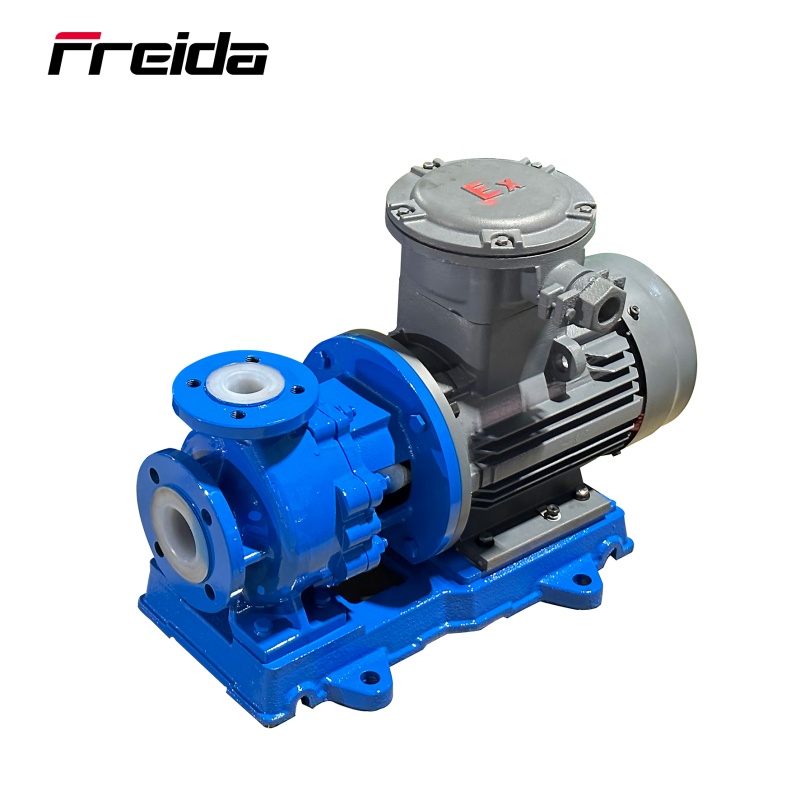
Large flow centrifugal pumps are specifically engineered to move vast volumes of fluid at relatively low to medium pressures. Unlike standard pumps, these units feature a wider impeller and a spacious volute casing designed to minimize internal friction and turbulence. The hydraulic design focuses on the "specific speed" of the pump, balancing the ratio of flow rate to head to ensure that the kinetic energy imparted by the impeller is efficiently converted into pressure energy. These pumps often utilize a double-suction design, where liquid enters both sides of the impeller, effectively balancing axial hydraulic thrust and significantly increasing the flow capacity without requiring a massive increase in pump size.
Key Structural Components
- Double-Suction Impeller: Reduces NPSH (Net Positive Suction Head) requirements and doubles the inlet area.
- Split-Casing Design: Allows for easy access to internal components for maintenance without disconnecting the piping.
- Reinforced Bearings: Heavy-duty rolling or sleeve bearings designed to handle high radial loads during continuous operation.
- Wear Rings: Replaceable components that maintain volumetric efficiency by minimizing leakage from the discharge to the suction side.
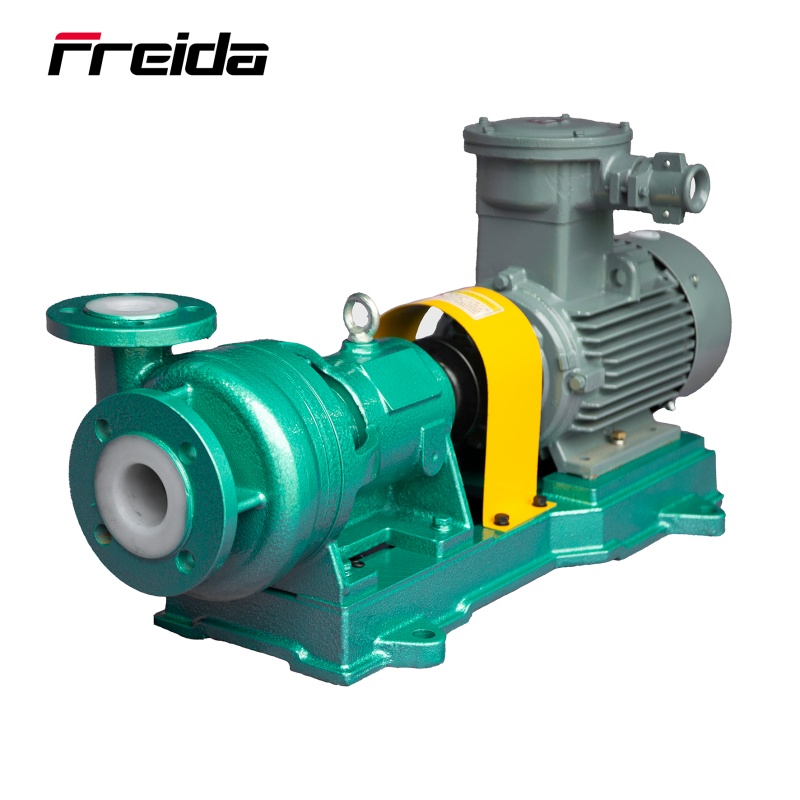
Performance Comparison and Technical Specifications
When selecting a large flow pump, engineers must evaluate the relationship between flow (Q) and head (H). Large flow pumps typically exhibit a "flat" performance curve, meaning the pressure remains relatively stable even as the volume of fluid increases significantly. This characteristic is vital for municipal water supply and irrigation, where demand fluctuates but system pressure must remain constant. The table below illustrates the typical performance differences between standard industrial pumps and large flow variants.
| Feature |
Standard Centrifugal Pump |
Large Flow Centrifugal Pump |
| Typical Flow Rate |
50 - 500 m³/h |
1,000 - 20,000+ m³/h |
| Impeller Type |
Single Suction |
Double Suction / Mixed Flow |
| Efficiency Range |
70% - 82% |
85% - 92% |
| Main Application |
Chemical Processing |
Flood Control / Desalination |
Critical Operational Considerations for High-Capacity Systems
Operating a large flow centrifugal pump requires strict adherence to hydraulic stability protocols to prevent cavitation and mechanical failure. Because these pumps handle massive kinetic energy, even minor deviations from the Best Efficiency Point (BEP) can lead to significant vibration and premature wear. Proper priming and the elimination of air pockets in the suction line are critical, as large flow impellers are sensitive to gas entrainment, which can cause a sudden drop in discharge pressure and damage the internal seals.
Maintenance and Longevity Strategies
- Vibration Monitoring: Continuous real-time sensors detect shaft misalignment or impeller imbalance before they escalate.
- Lubrication Management: High-capacity pumps often require forced oil lubrication systems to dissipate heat from the bearings.
- Dynamic Balancing: Periodic re-balancing of the large-diameter impellers ensures smooth operation and extends the life of the mechanical seals.



 English
 русский
 Español
 Français