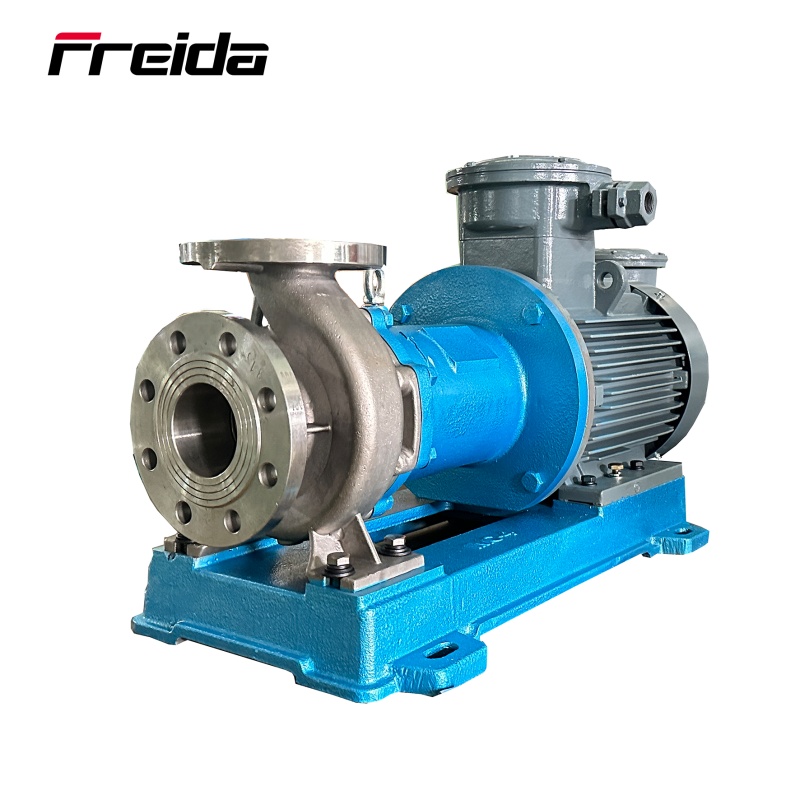
Core Functional Mechanics of Pipeline Pumps
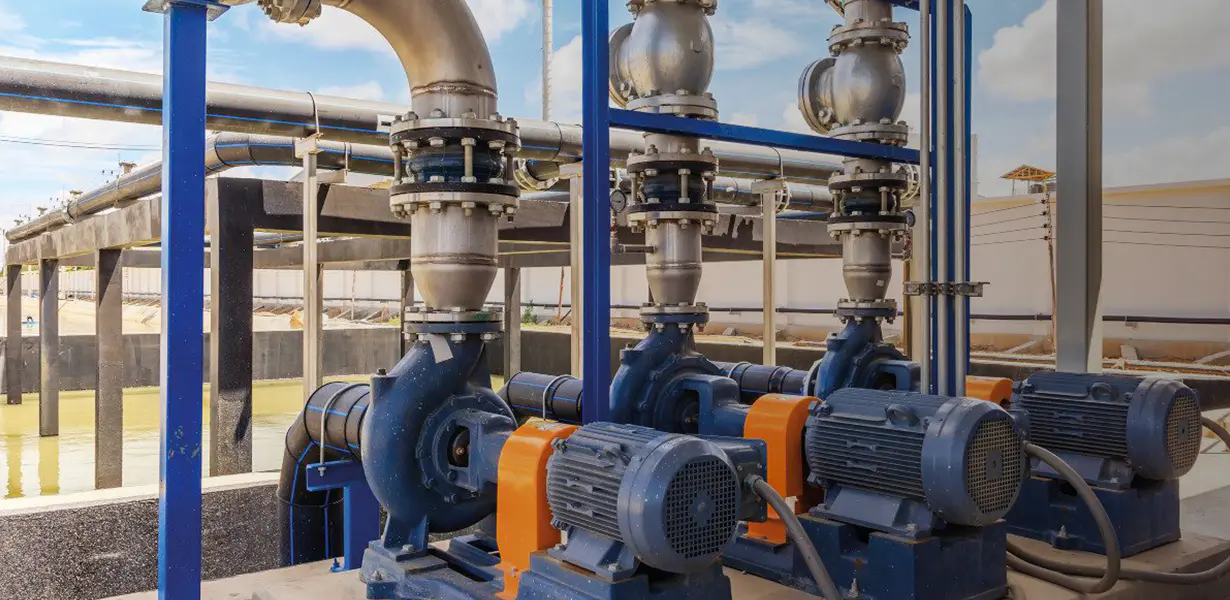
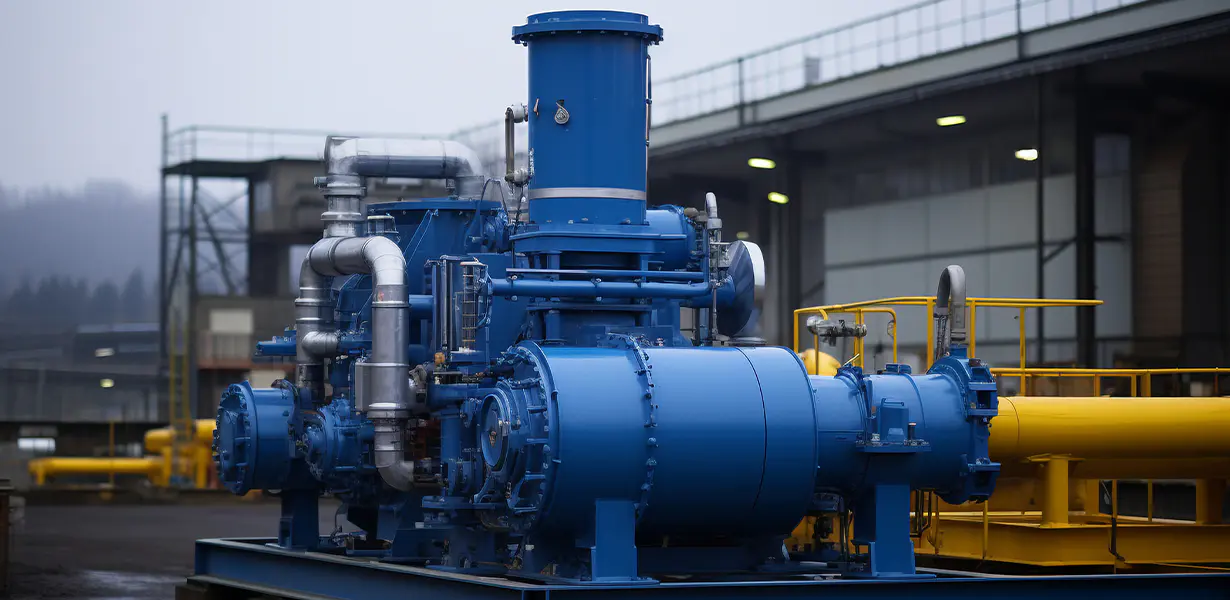
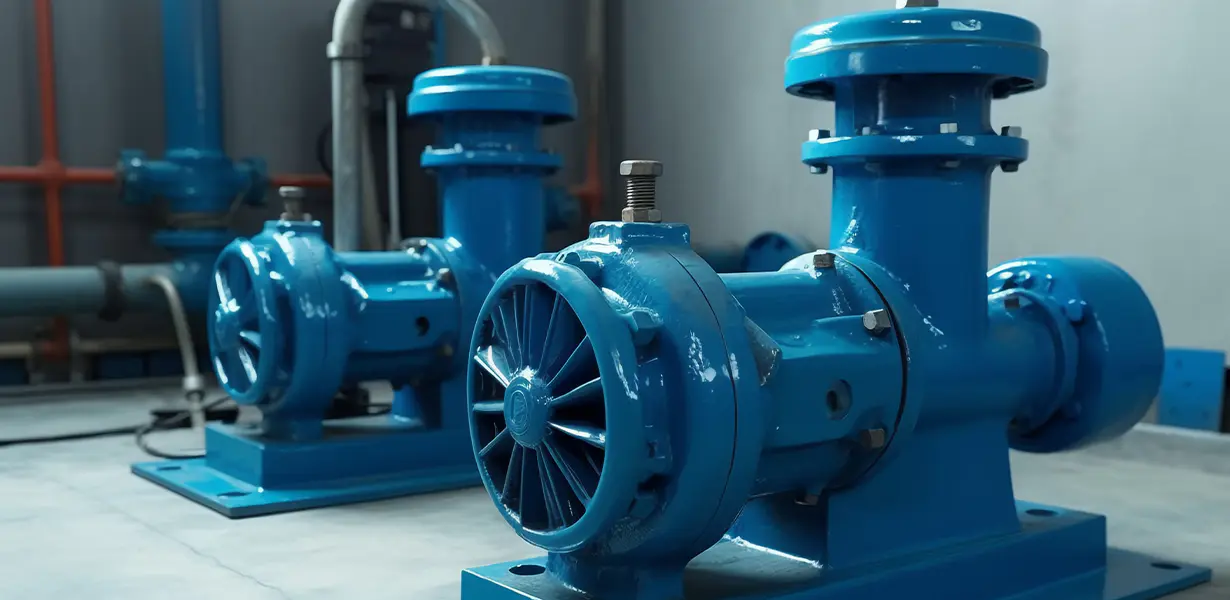
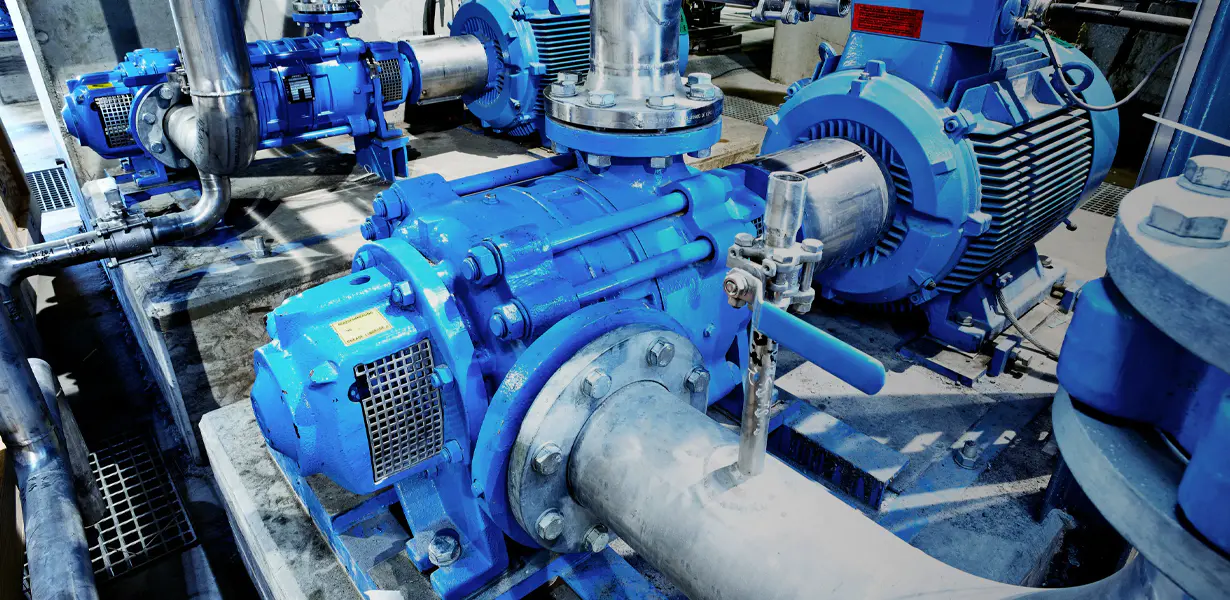
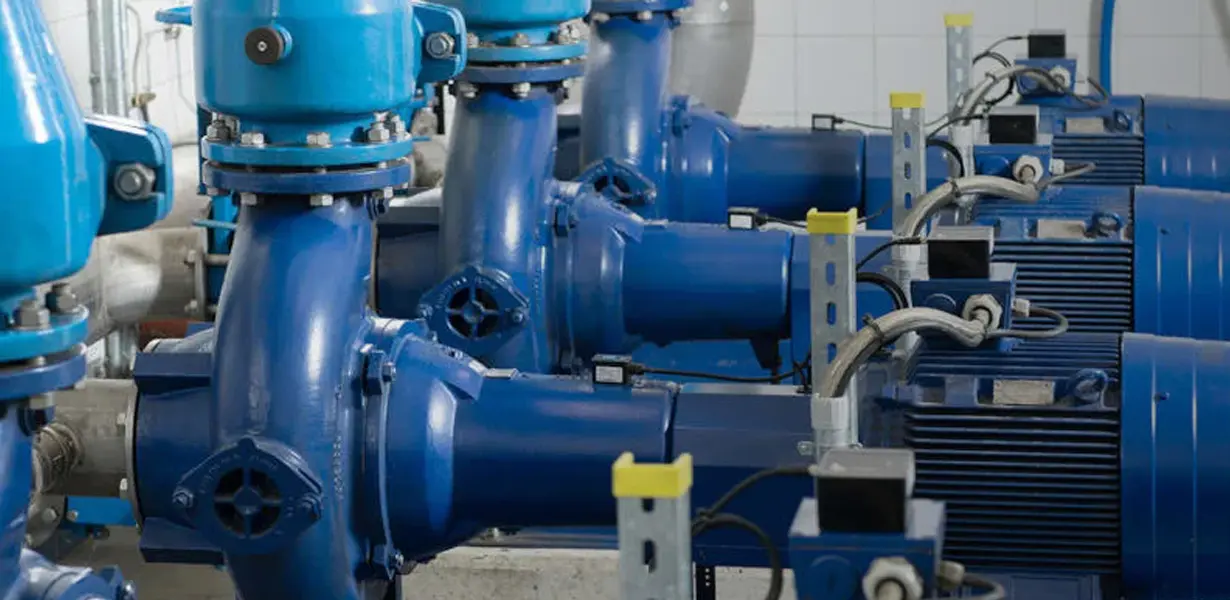
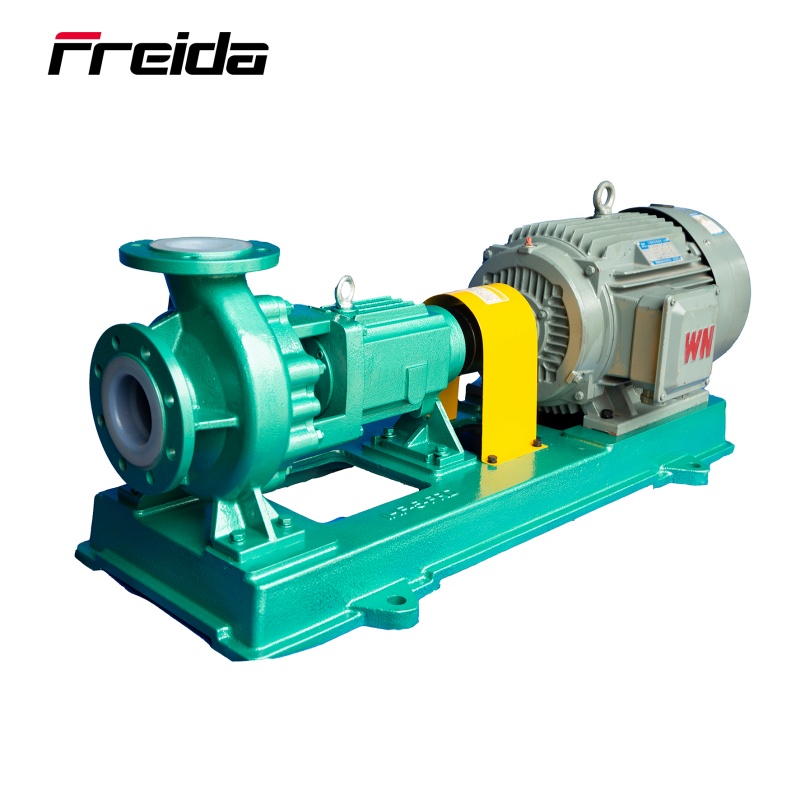
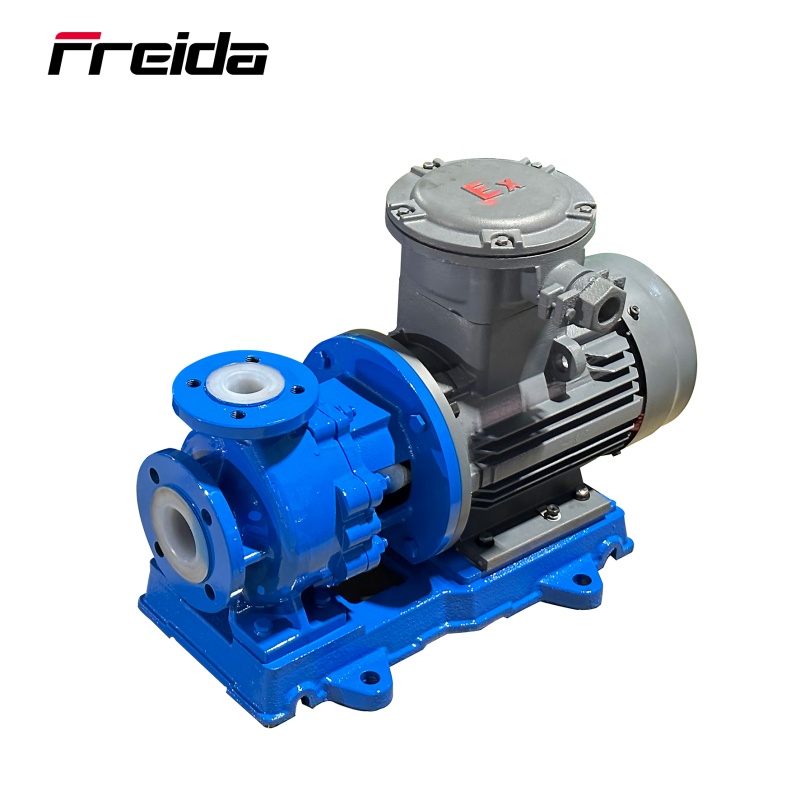
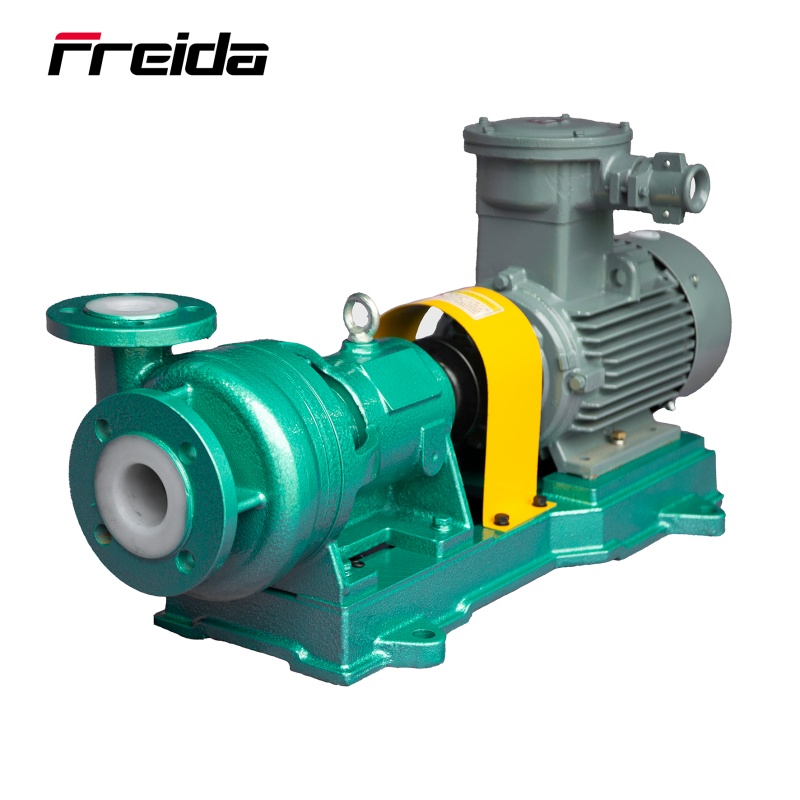
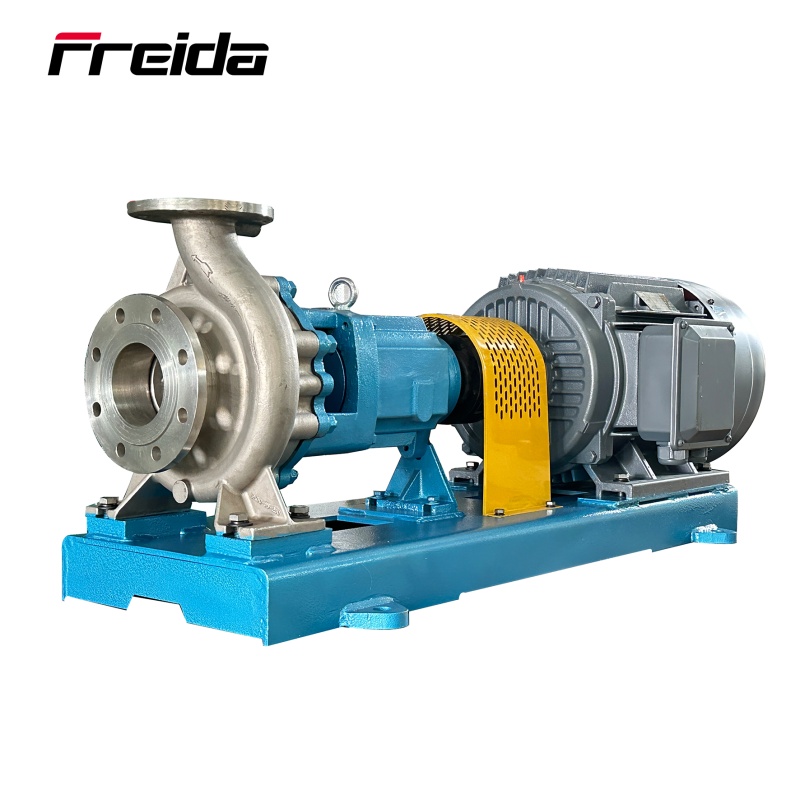
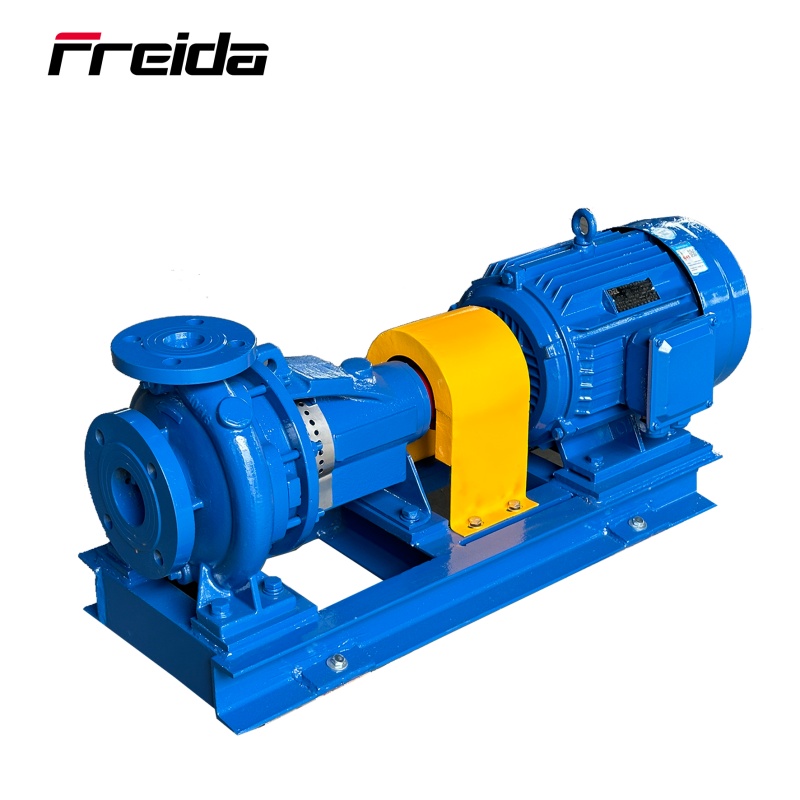
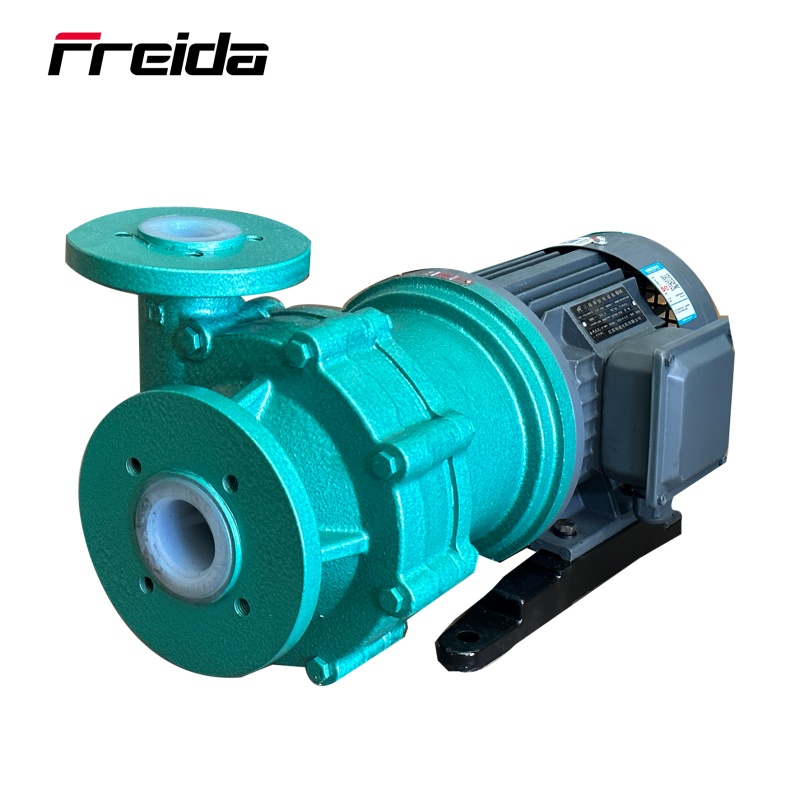
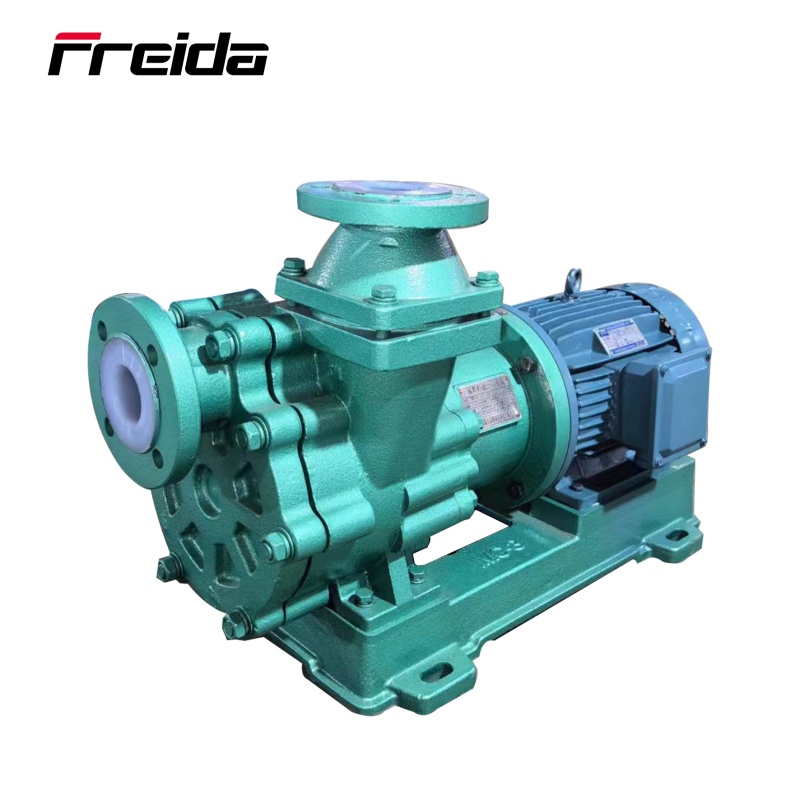
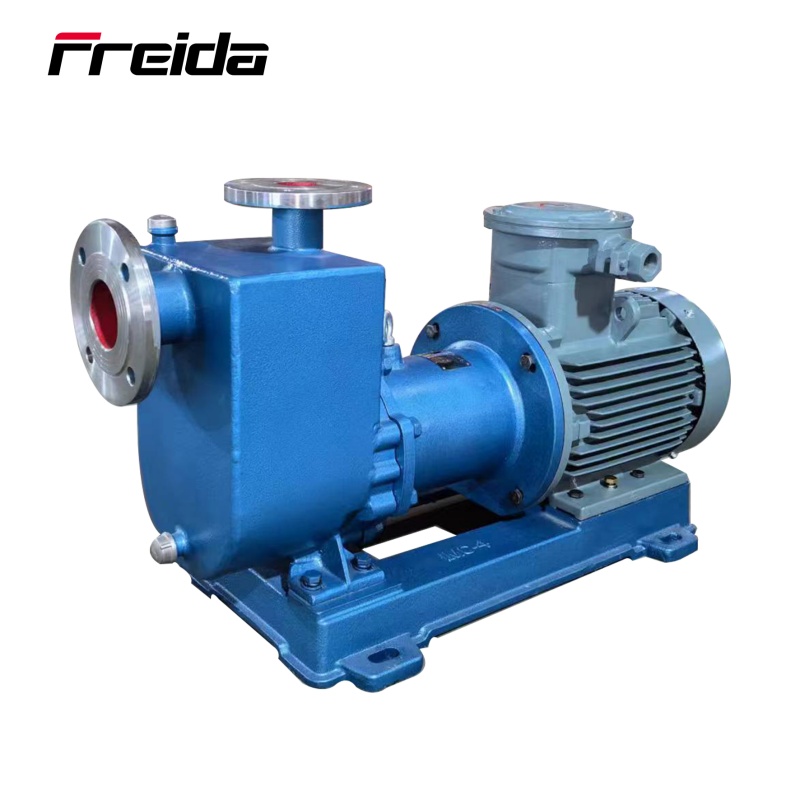
A pipeline pump is a specialized centrifugal machine designed to be installed directly within a piping system to increase the pressure of the fluid and overcome frictional resistance over long distances. Unlike standard end-suction pumps, pipeline pumps often feature an in-line design where the suction and discharge flanges are aligned on the same horizontal or vertical axis. This configuration allows for a compact footprint and simplifies the installation process in industrial plants, municipal water systems, and oil transport lines. The pump works by converting rotational kinetic energy from a motor into hydrodynamic energy, forcing the liquid through the impeller and into the discharge line at a significantly higher head.
The efficiency of these units is largely determined by the impeller geometry and the precision of the internal clearances. In high-demand environments, pipeline pumps are often multi-staged, meaning they utilize several impellers in series to achieve the high pressures required to move viscous fluids or transport water across varying elevations. Understanding the Specific Speed (Ns) and the Net Positive Suction Head Required (NPSHr) is critical for engineers to prevent cavitation, which can erode internal components and lead to catastrophic system failure.
Comparison of Common Pipeline Pump Configurations
Selecting the right configuration depends on the fluid properties, space constraints, and required flow rates. The following table outlines the primary differences between vertical and horizontal pipeline pump structures commonly used in the industry.
| Feature |
Vertical In-Line Pump |
Horizontal Split-Case Pump |
| Space Requirement |
Minimal; fits into existing piping. |
Significant; requires dedicated floor space. |
| Ease of Maintenance |
Complex; often requires motor removal. |
High; upper casing can be removed easily. |
| Pressure Capability |
Low to Moderate. |
High to Very High. |
| Primary Application |
HVAC and Water Circulation. |
Oil Pipelines and Large Scale Irrigation. |
Critical Installation and Operational Guidelines
Optimizing Suction Piping Design
To ensure a stable flow of fluid into the pipeline pump, the suction piping must be designed to minimize turbulence. This usually involves using a straight length of pipe at least five to ten times the pipe diameter before the pump inlet. Using eccentric reducers with the flat side on top can prevent air pockets from forming, which is essential for maintaining a continuous prime and protecting the mechanical seals from running dry.
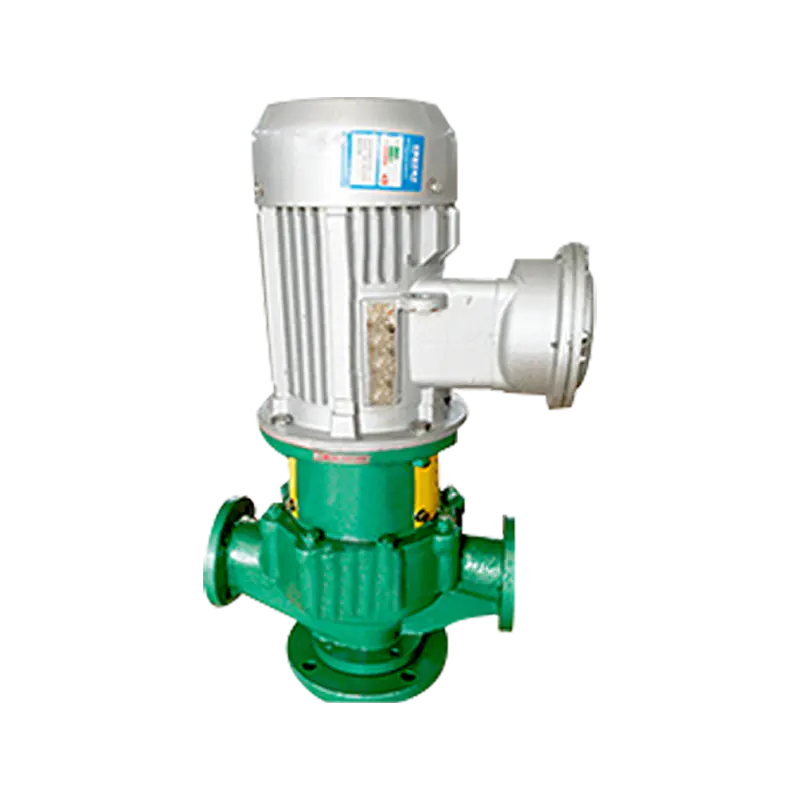
Vibration Monitoring and Alignment
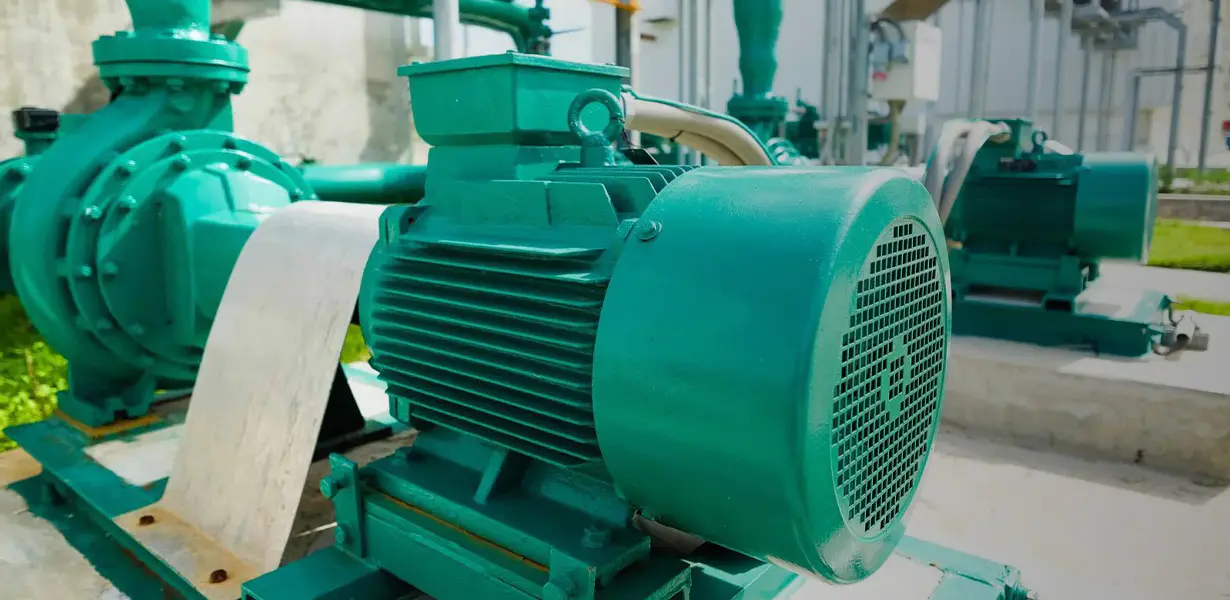
Proper alignment between the pump shaft and the motor driver is non-negotiable. Even slight misalignments can lead to excessive vibration, which accelerates bearing wear and causes seal leakage. Modern industrial setups utilize laser alignment tools to reach tolerances within microns. Regular vibration analysis serves as a predictive maintenance tool, allowing operators to identify imbalances or bearing defects before they cause unplanned downtime.
Essential Maintenance Checklist for Longevity
A proactive maintenance strategy is the most effective way to extend the service life of a pipeline pump. Operators should adhere to a strict schedule that addresses the following key areas:
- Lubrication: Ensure that bearings are greased or oil-bathed according to the manufacturer’s specifications to prevent overheating.
- Seal Inspection: Check for weeping at the mechanical seals or packing glands; excessive moisture indicates a need for replacement.
- Performance Testing: Monitor discharge pressure and flow rates periodically to identify internal wear of the wear rings or impeller.
- Foundation Integrity: Inspect the baseplate and mounting bolts for signs of corrosion or loosening due to thermal expansion.
- Electrical Assessment: Verify the motor's amperage draw remains within the nameplate rating to avoid winding burnout.



 English
 русский
 Español
 Français