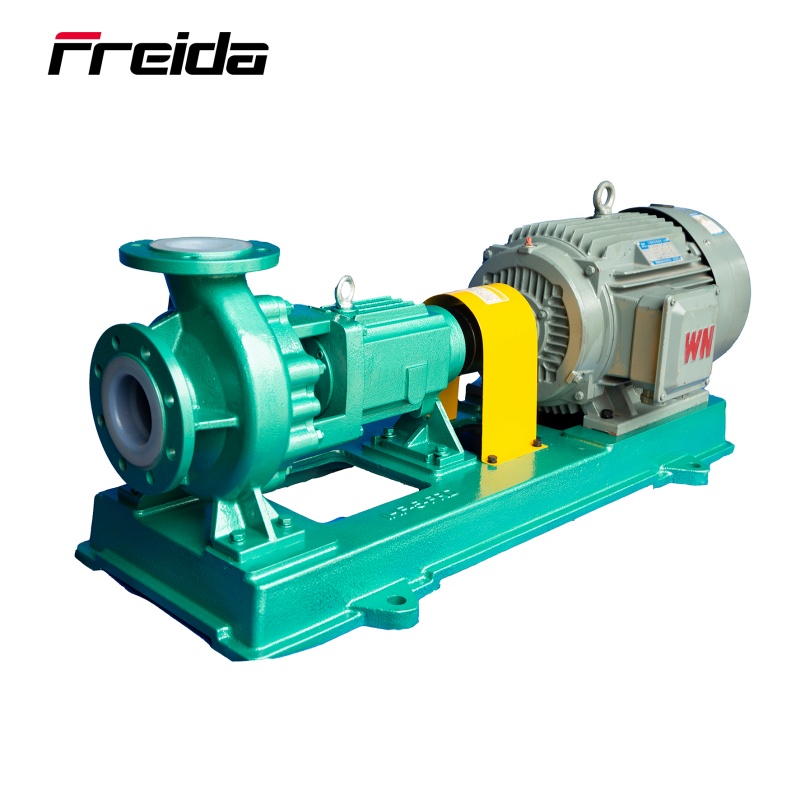
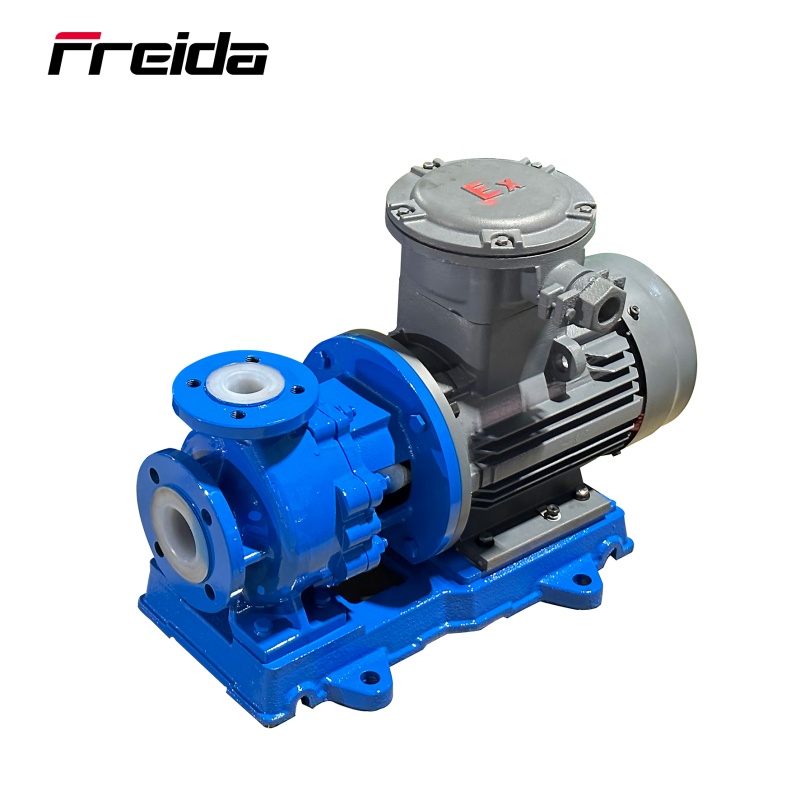
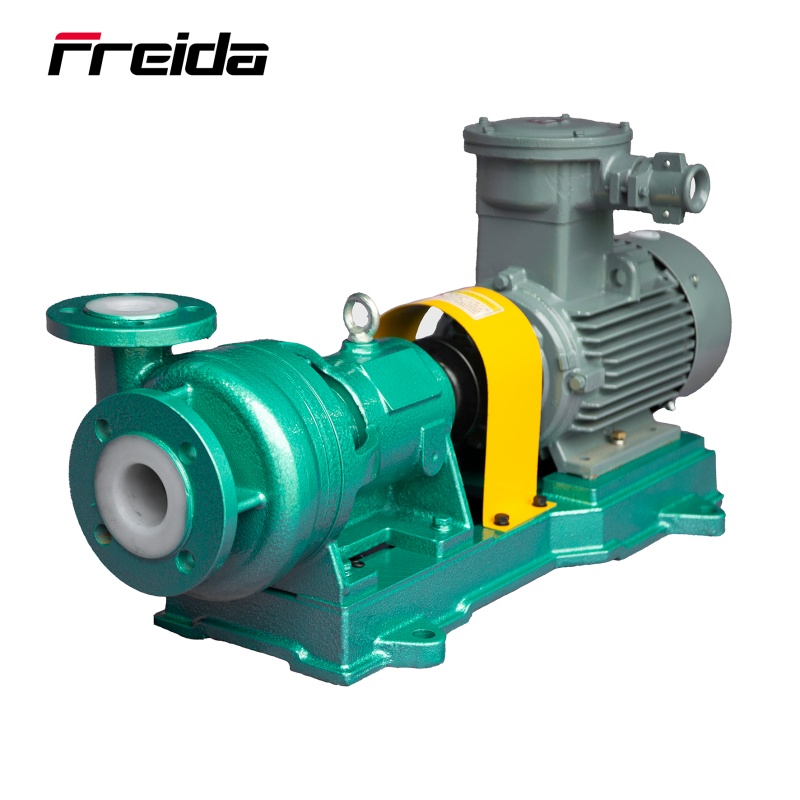
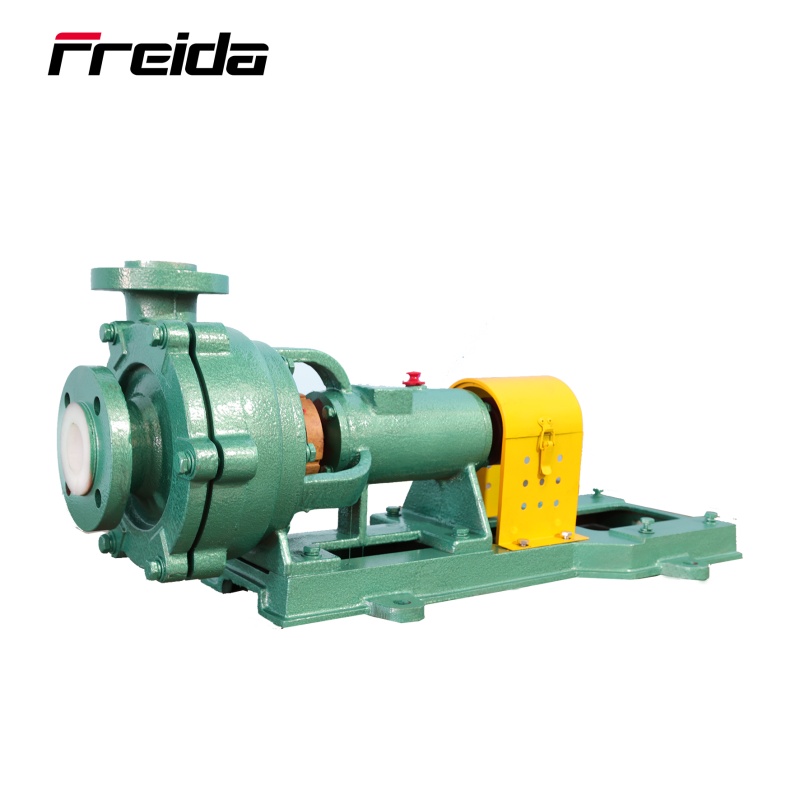
Understanding the Self-Priming Mechanism
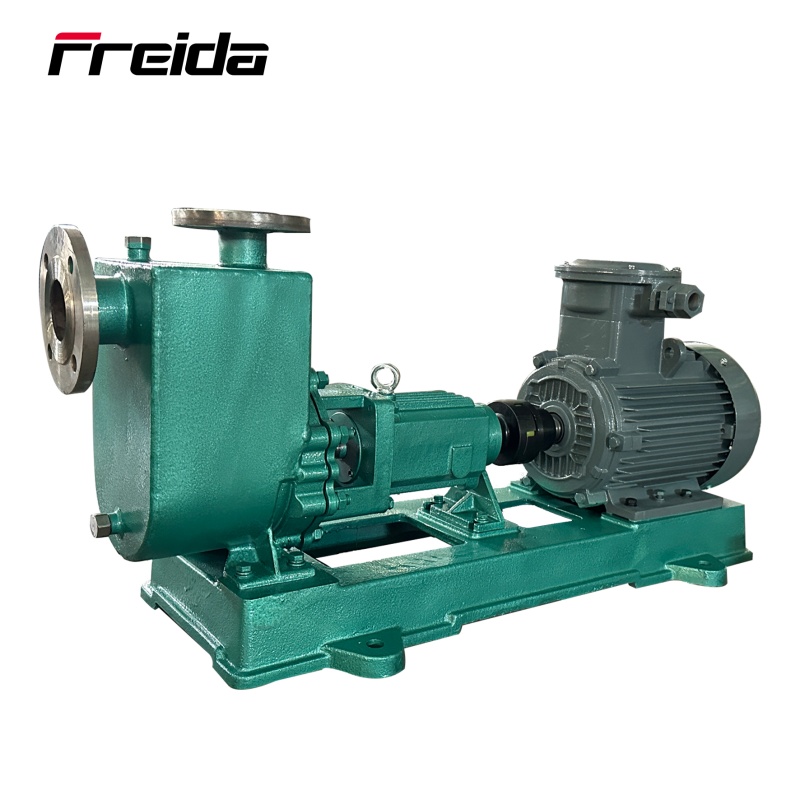
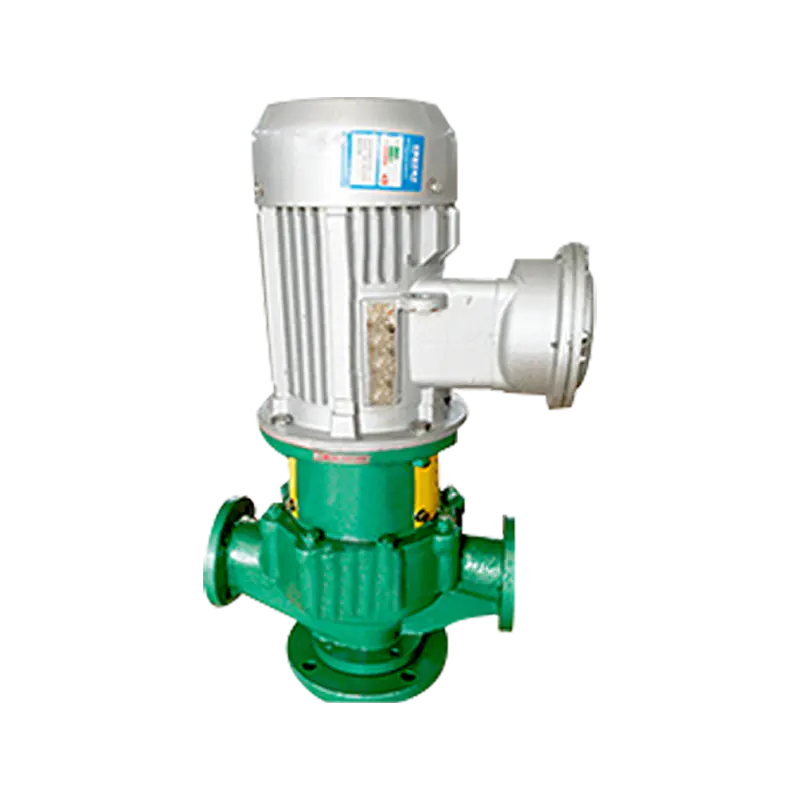
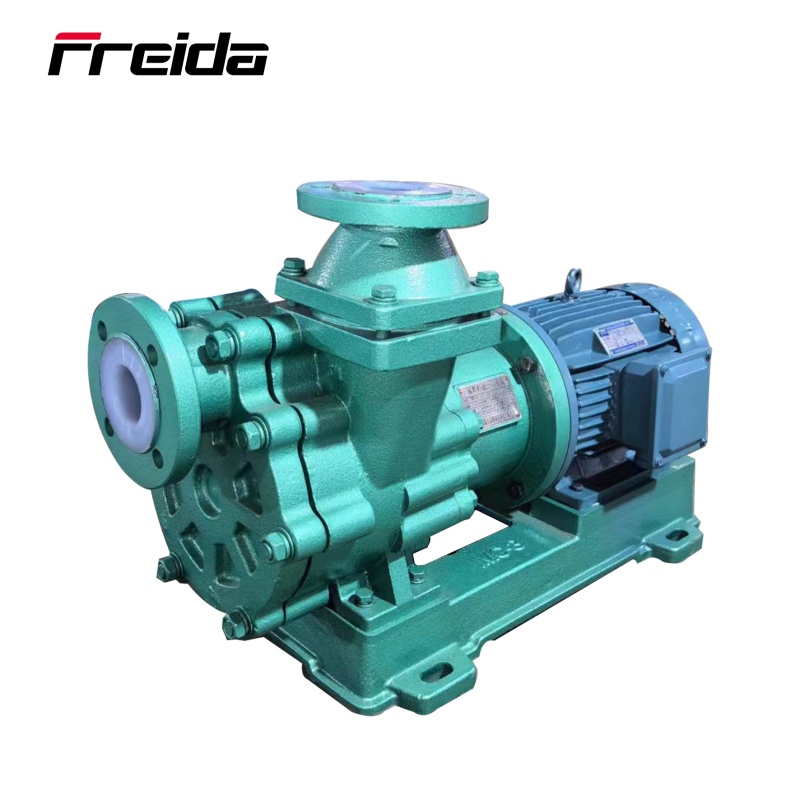
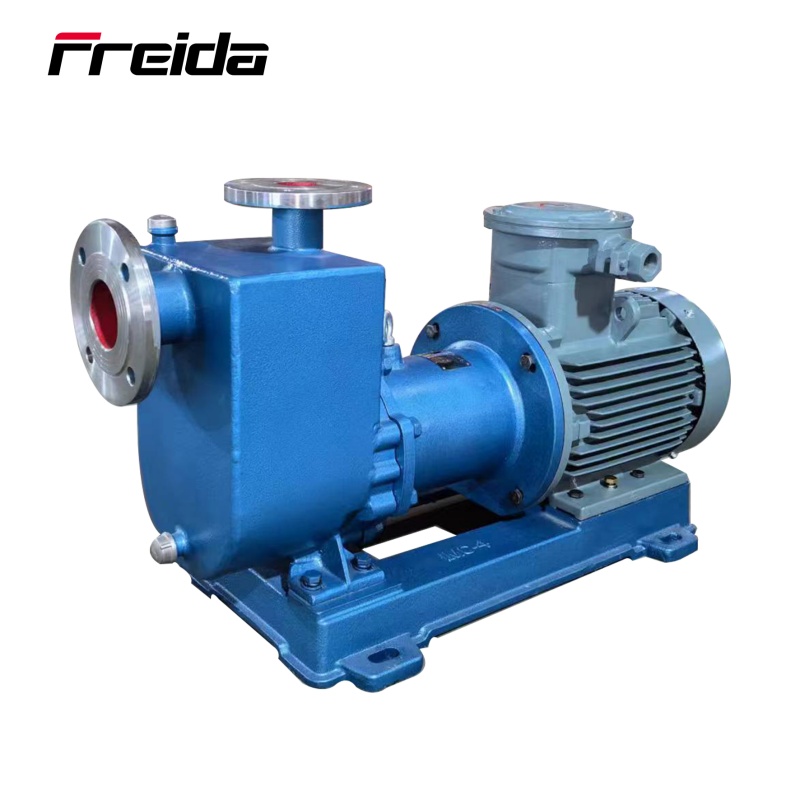
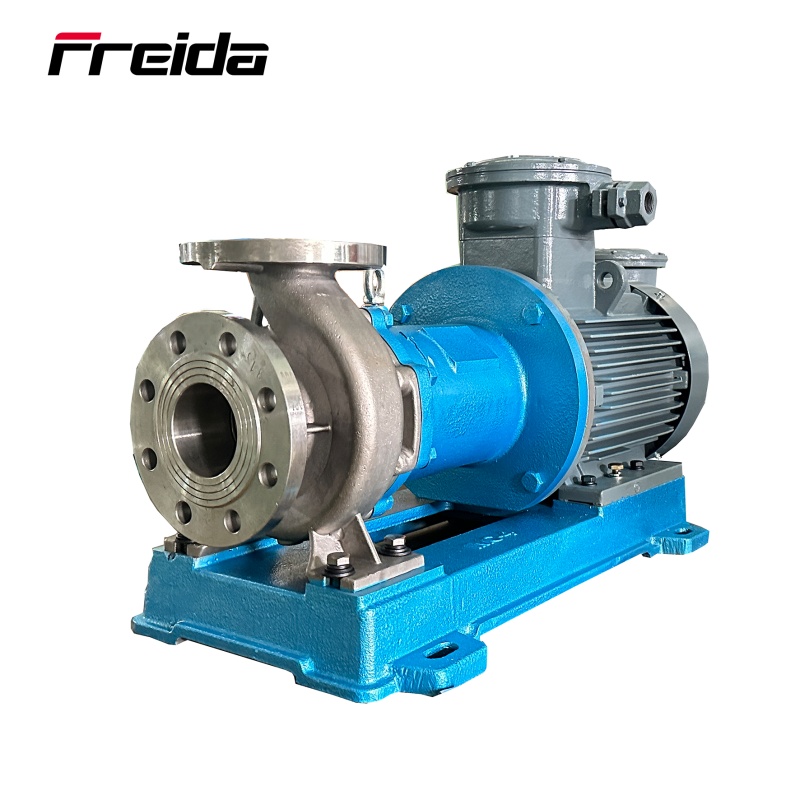
Unlike standard centrifugal pumps that require a manually filled suction line, a self-priming pump is designed to evacuate air from the suction hose and intake manifold automatically. This is achieved through the integration of a water reservoir—usually built into the pump casing—that mixes water with air during the priming cycle. As the impeller rotates, it creates a vacuum that pulls air from the suction line into the casing. This air-water mixture is then processed, where the air is separated and vented out through the discharge port while the water recirculates back to the impeller to continue the process until a solid column of liquid is established.
Key Components for Effective Priming
- The Volute: Specifically designed to hold enough liquid for the initial prime and to facilitate air separation.
- The Impeller: Generates the centrifugal force necessary to mix air and liquid and move them through the system.
- The Check Valve: Often located at the suction inlet to prevent backflow and ensure the casing retains liquid once the pump stops.
Critical Performance Factors
The efficiency of a self-priming pump depends heavily on the physical properties of the installation. For instance, the "suction lift"—the vertical distance between the water source and the pump centerline—must stay within the manufacturer’s specified limits, typically not exceeding 25 feet at sea level. If the lift is too high, the pump may never successfully evacuate enough air to achieve a prime. Additionally, the diameter of the suction piping should match the pump inlet to maintain proper velocity and minimize friction losses that can lead to cavitation.
| Factor |
Impact on Performance |
| Pipe Leaks |
Prevents vacuum formation; pump runs dry indefinitely. |
| Fluid Temperature |
High temps increase vapor pressure, making priming difficult. |
| Casing Liquid Level |
Must be full before start; dry starts damage mechanical seals. |
Operational Best Practices and Maintenance
To ensure longevity, operators must never run a self-priming pump without liquid in the casing. While they are "self-priming," the initial startup requires a manual fill of the pump body to enable the air-water mixing process. Furthermore, the suction line should be as short and straight as possible. Excessive elbows or horizontal runs create "air pockets" that significantly extend priming time and can cause the liquid in the casing to overheat and evaporate before the prime is complete.
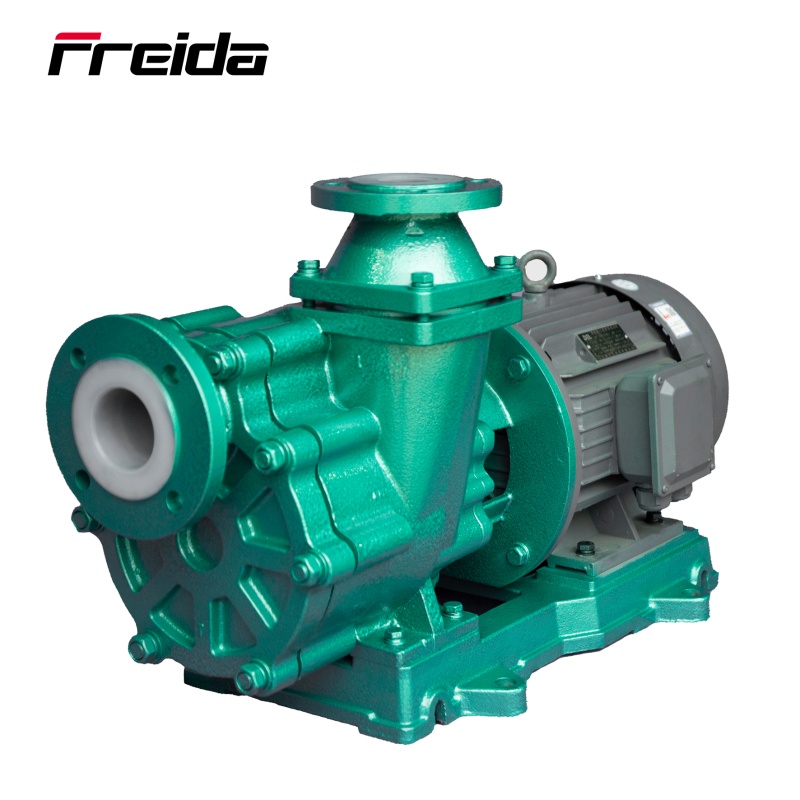
Routine Inspection Checklist
- Check the mechanical seal for leaks, which are common entry points for air.
- Clean the suction strainer regularly to prevent flow restriction and cavitation.
- Inspect the internal wear plate; if the gap between the impeller and plate is too wide, priming efficiency drops.
Troubleshooting Common Priming Issues
If a pump fails to prime, the most common culprit is an air leak in the suction line. Because air is much thinner than water, even a microscopic hole can allow enough air into the system to break the vacuum. Another frequent issue is "air binding," where the air being discharged cannot overcome the backpressure in the discharge line. In these cases, installing a concentrated air release valve or ensuring the discharge line is open to atmosphere during the priming cycle can resolve the stall.



 English
 русский
 Español
 Français