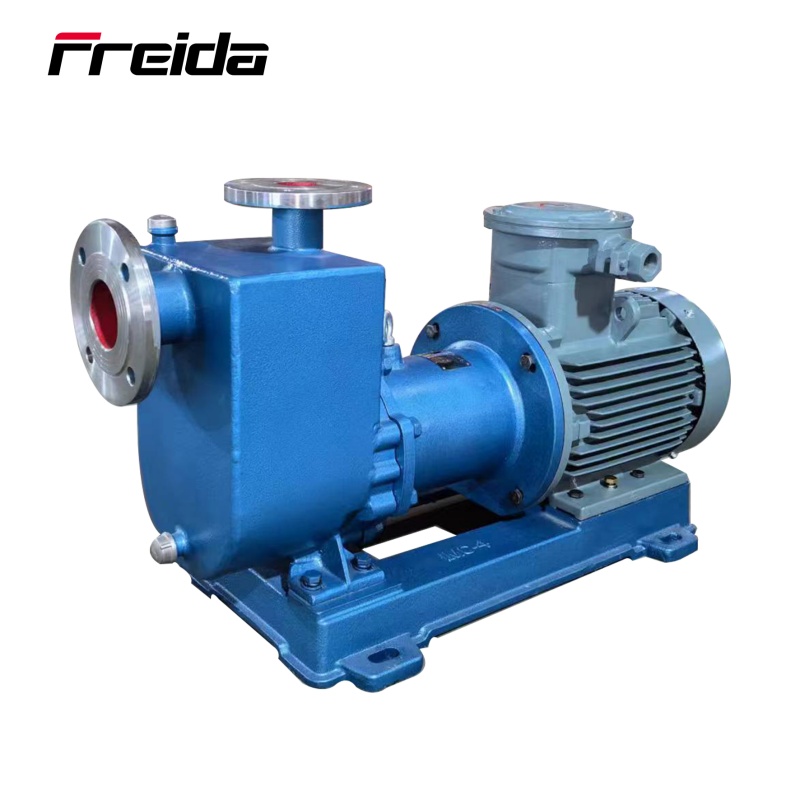
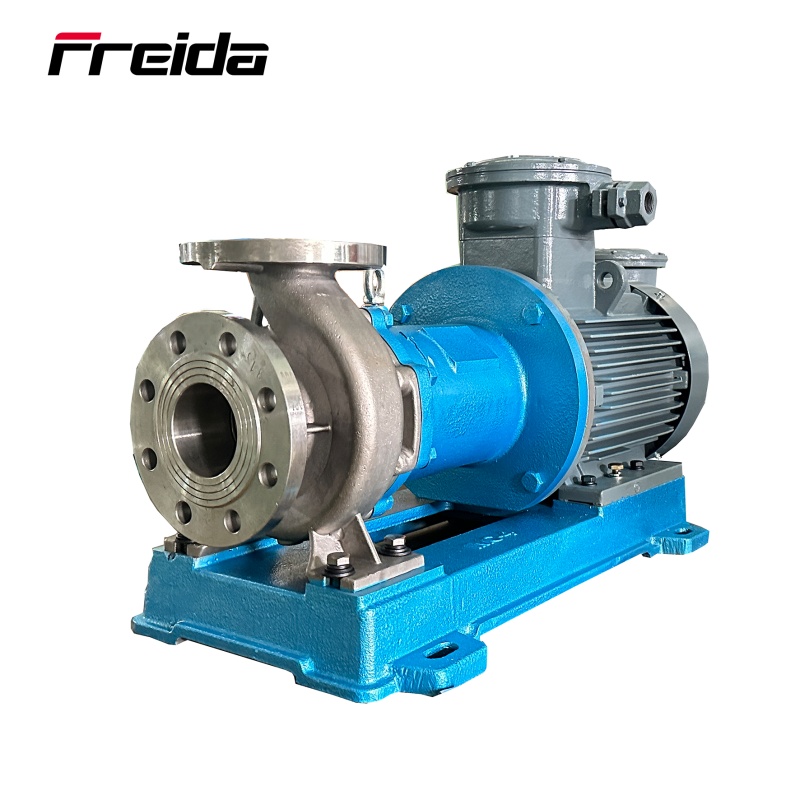
Core Material Benefits of Cast Iron in Pump Construction
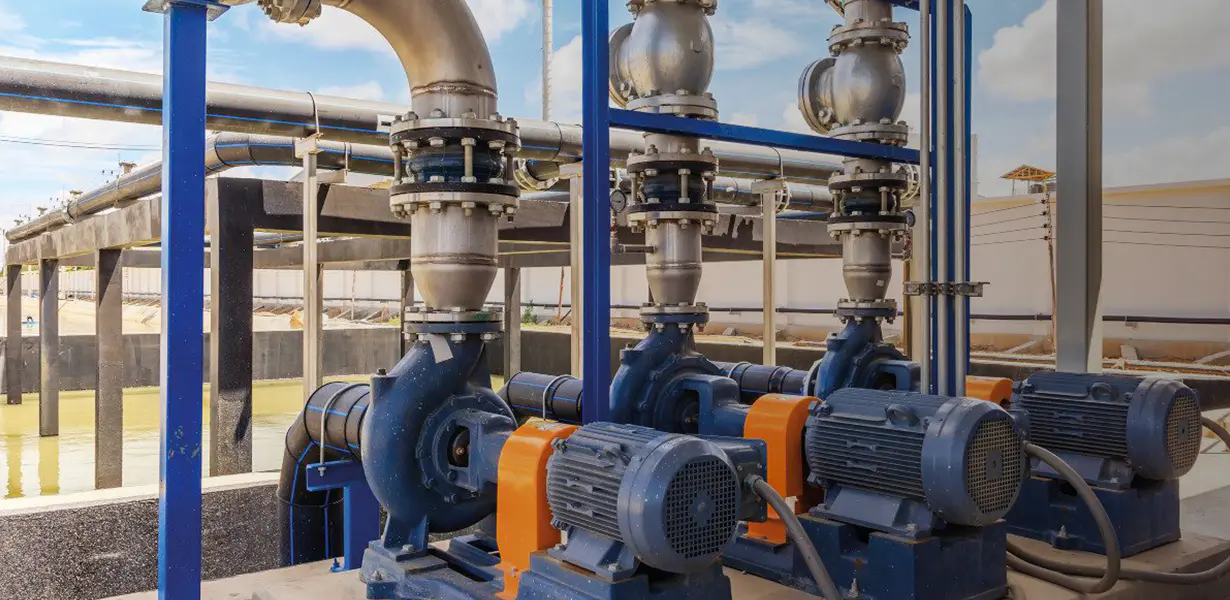
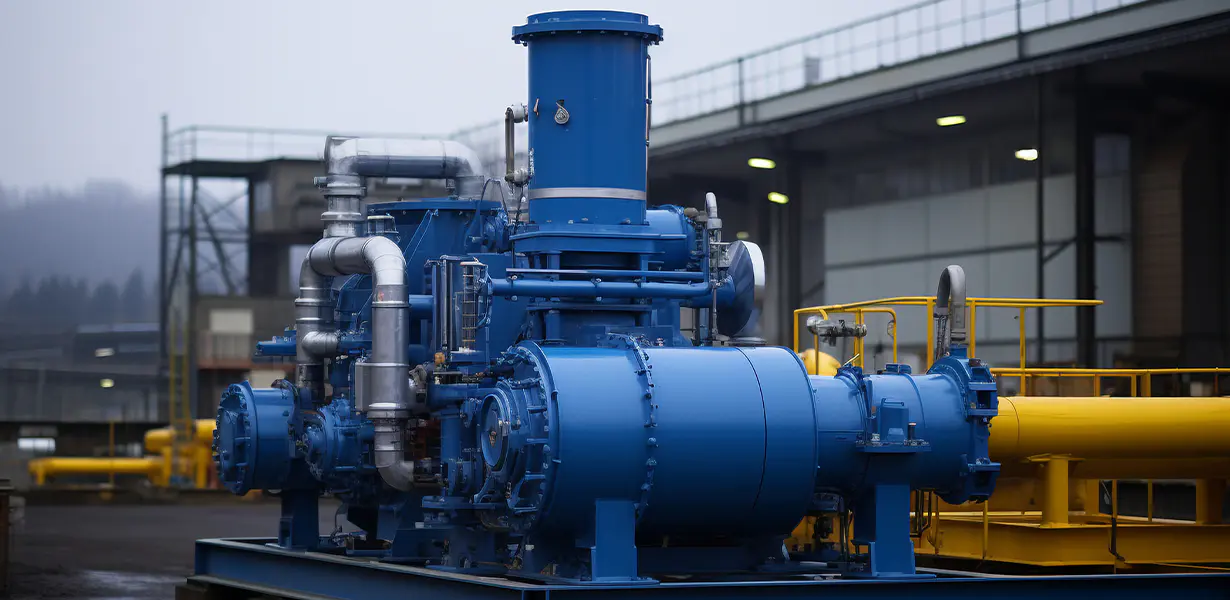
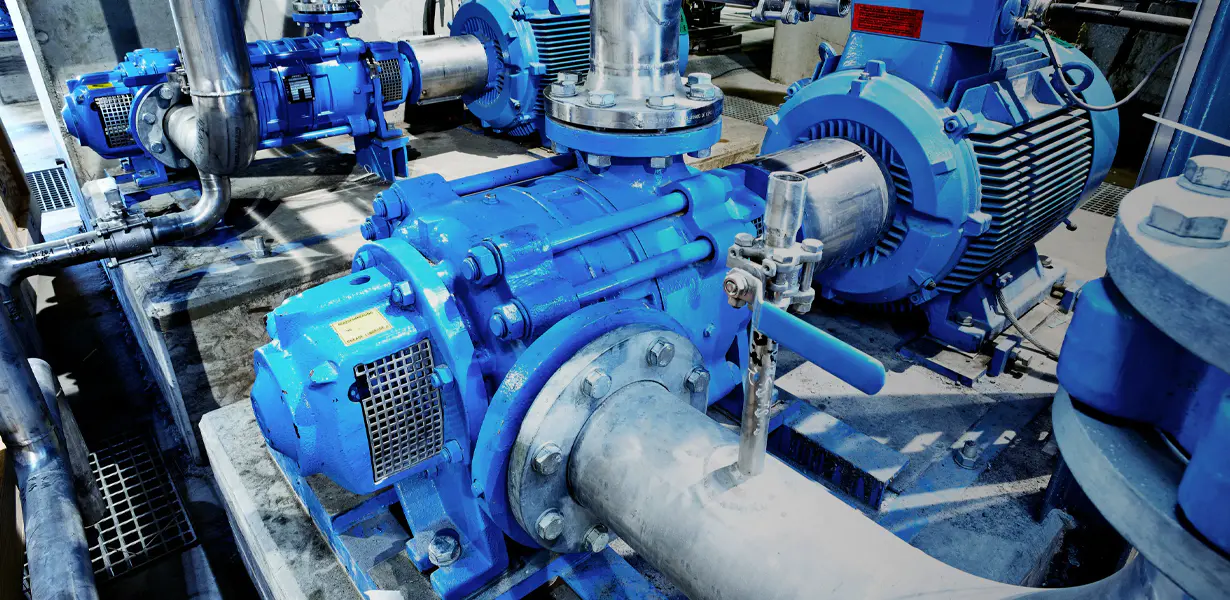
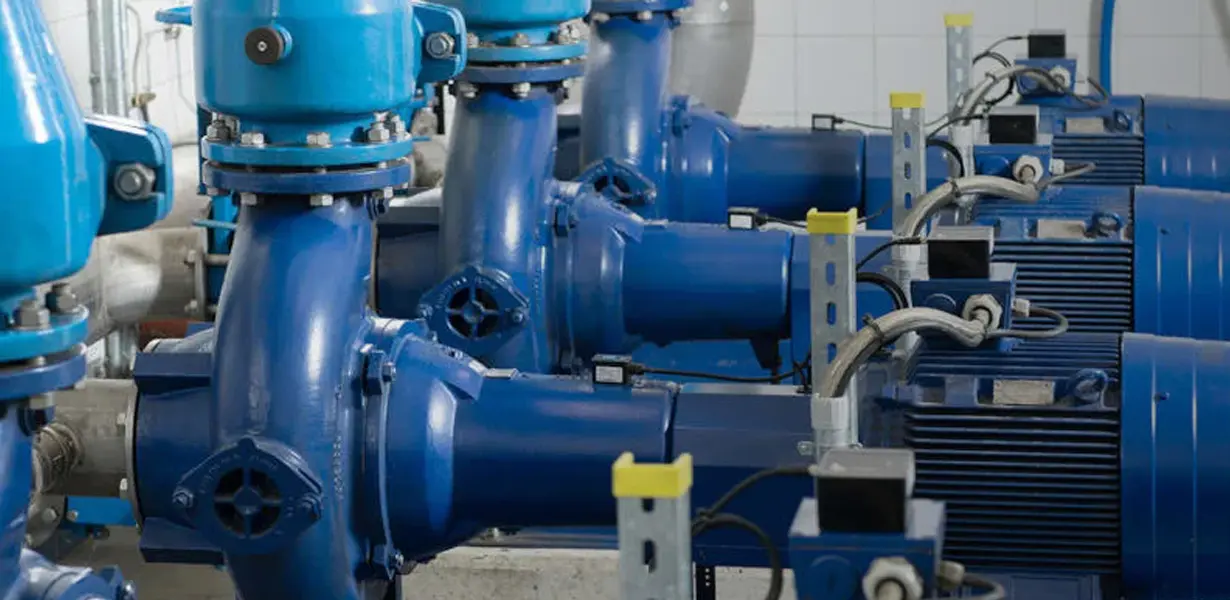
Cast iron remains the industry standard for centrifugal pump housings due to its exceptional structural rigidity and vibration-damping characteristics. Unlike lighter alloys, cast iron provides the mass necessary to absorb the mechanical oscillations generated by high-speed impellers, which significantly reduces wear on bearings and mechanical seals. The material naturally forms a protective graphite layer when exposed to certain fluids, offering a degree of self-lubrication and basic corrosion resistance that extends the service life of the pump in HVAC, municipal water, and industrial processing applications.
Critical Design Components and Functionality
The Volute Casing and Impeller Interaction
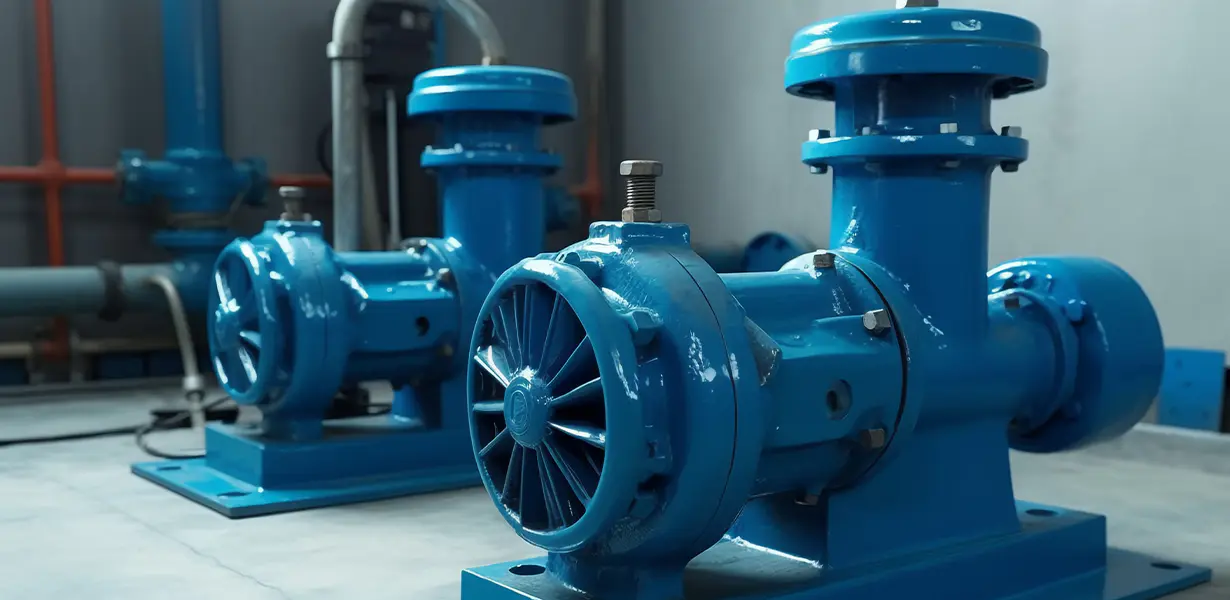
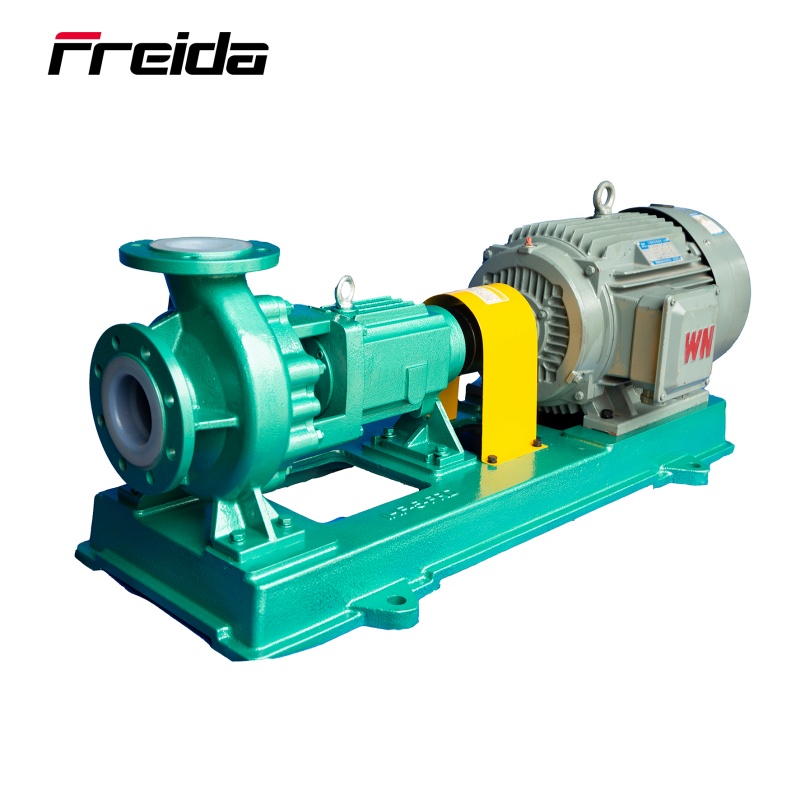
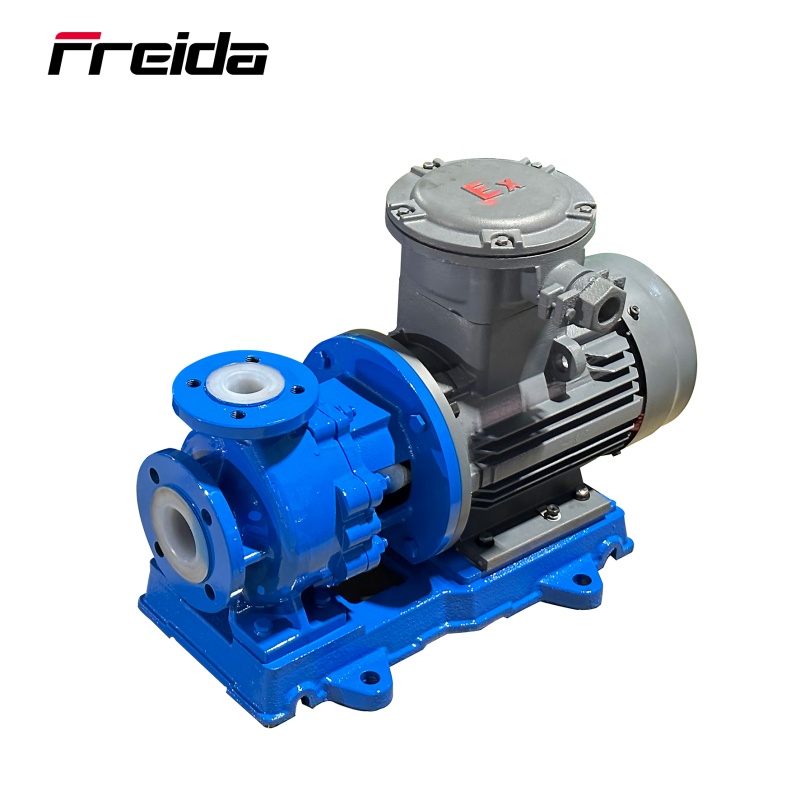
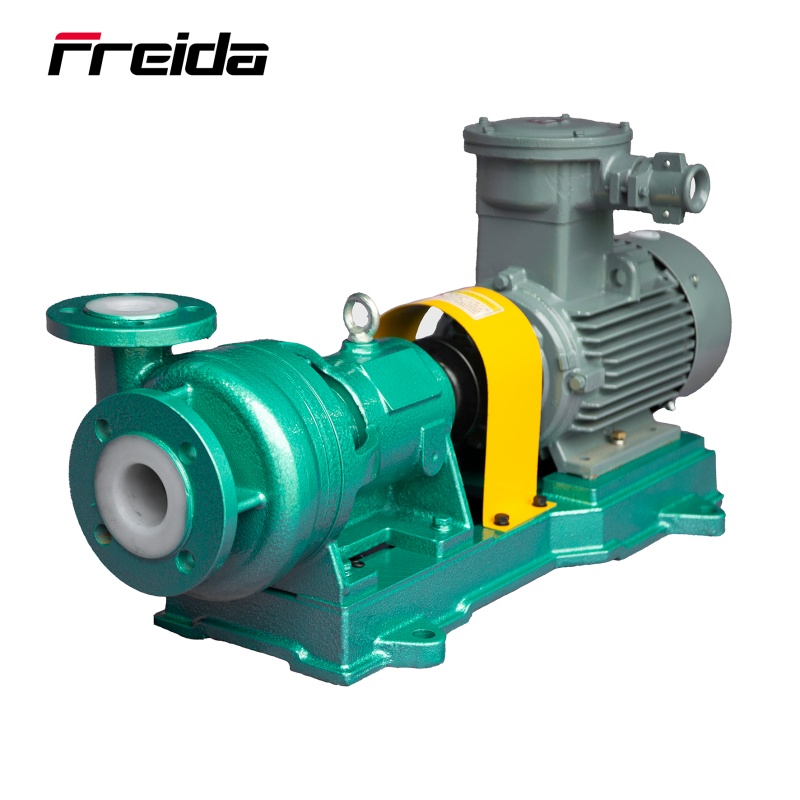
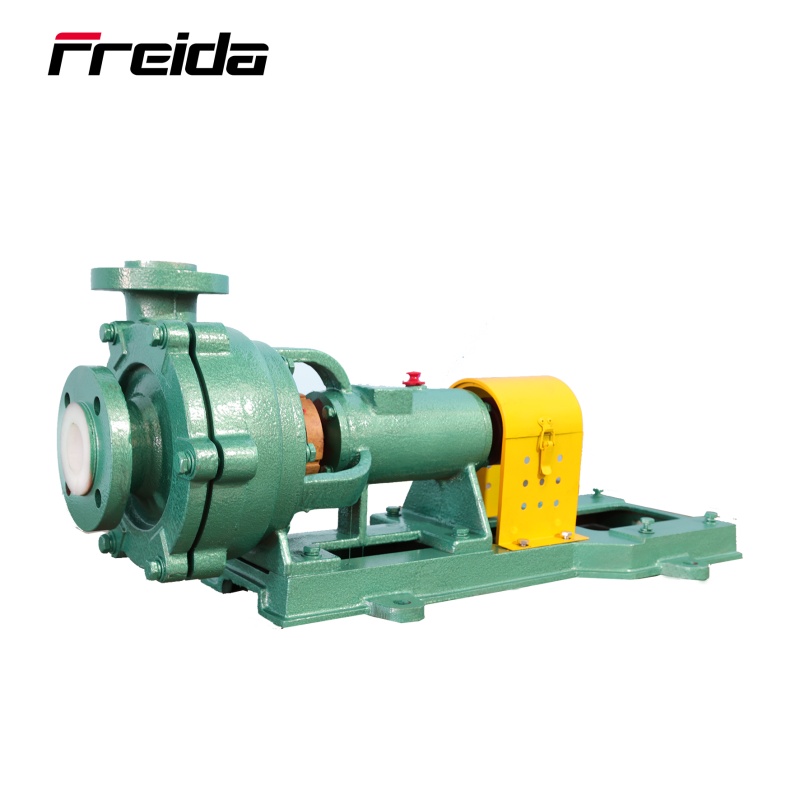
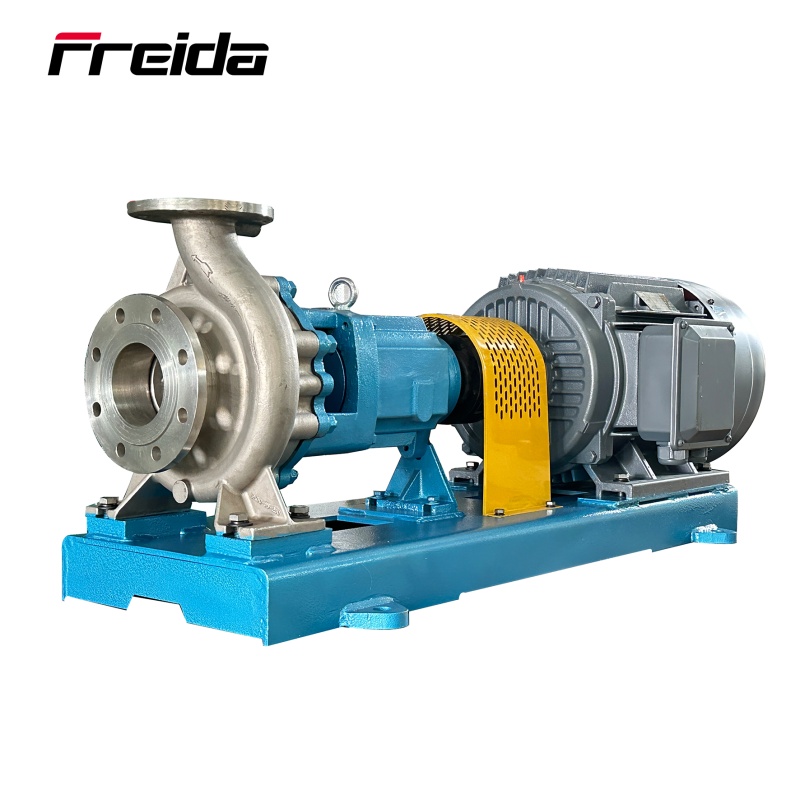
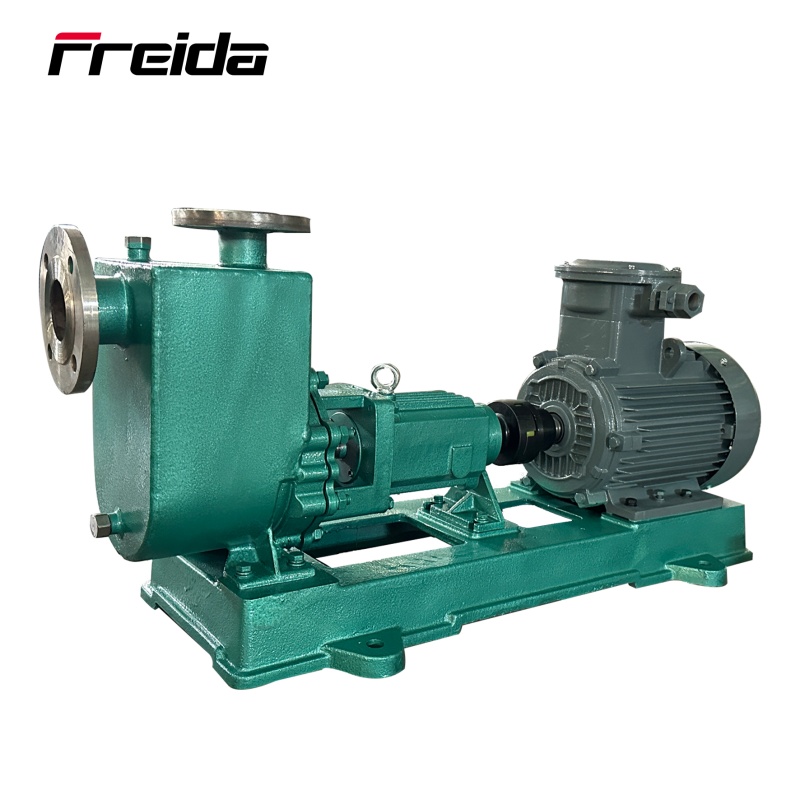
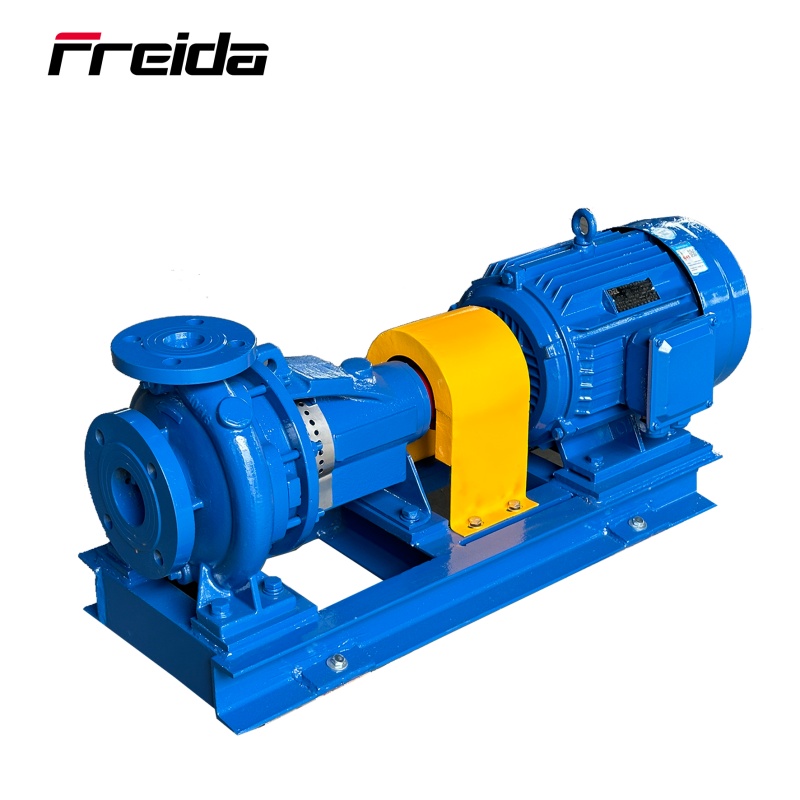
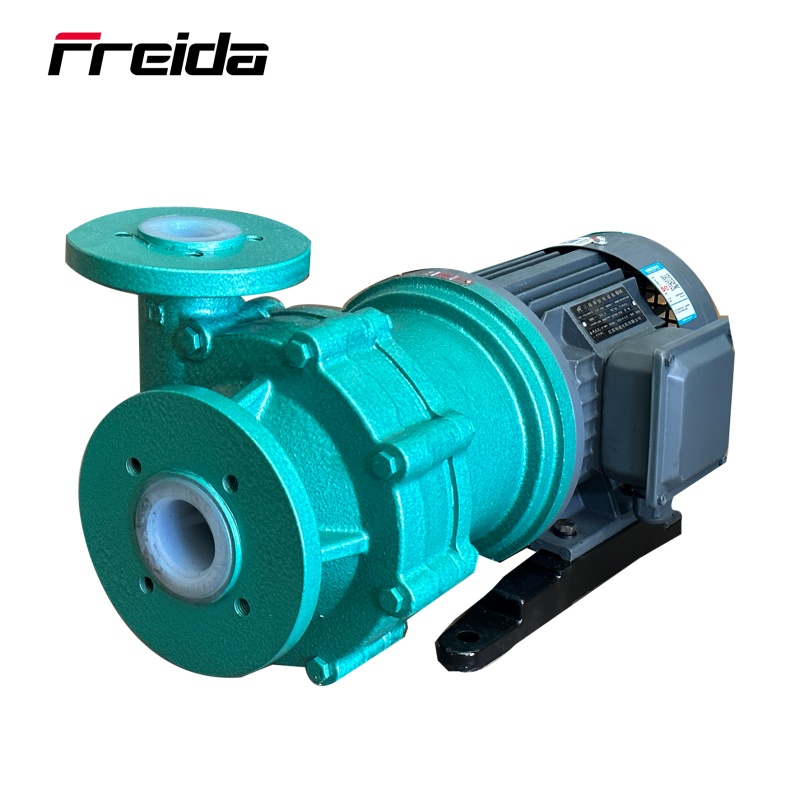
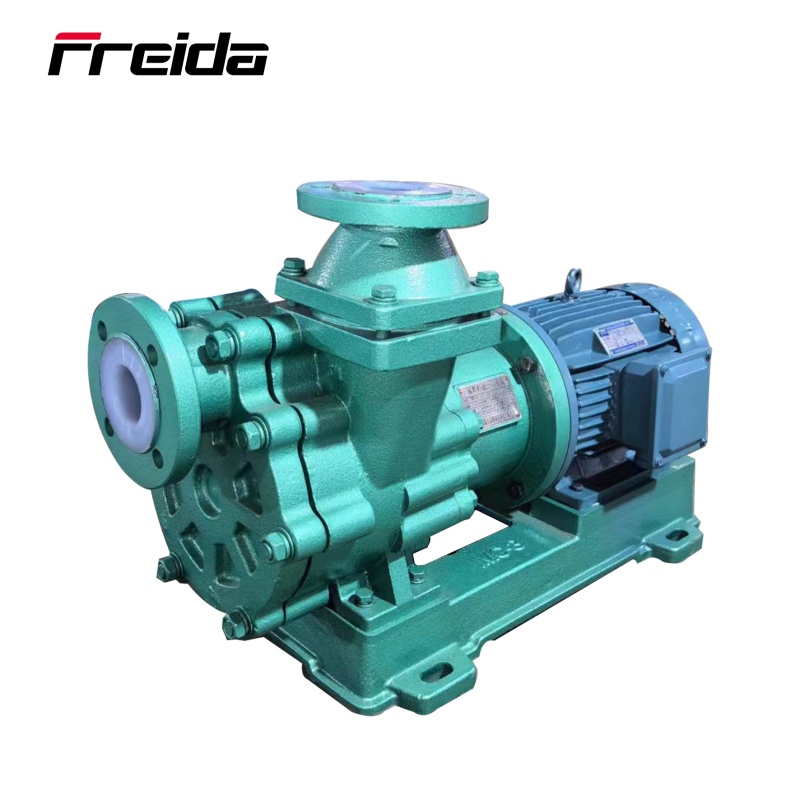
The heart of the cast iron centrifugal pump is the volute casing, a curved funnel that increases in area toward the discharge port. As the cast iron impeller rotates, it imparts kinetic energy to the fluid, flinging it outward via centrifugal force. The volute then converts this high-velocity energy into static pressure. In high-demand environments, the thickness of the cast iron walls is critical to withstand the internal hydraulic pressures and potential abrasive particles without deformation.
Sealing Mechanisms and Shaft Protection
To maintain pressure and prevent leakage, these pumps utilize either mechanical seals or traditional packing glands. In cast iron configurations, the seal chamber is often precision-machined to ensure a perfect seat, minimizing shaft deflection. Modern designs frequently incorporate a stainless steel shaft sleeve to protect the internal components from corrosion, ensuring that the heavy-duty cast iron body remains the only part exposed to the most rigorous physical stresses.
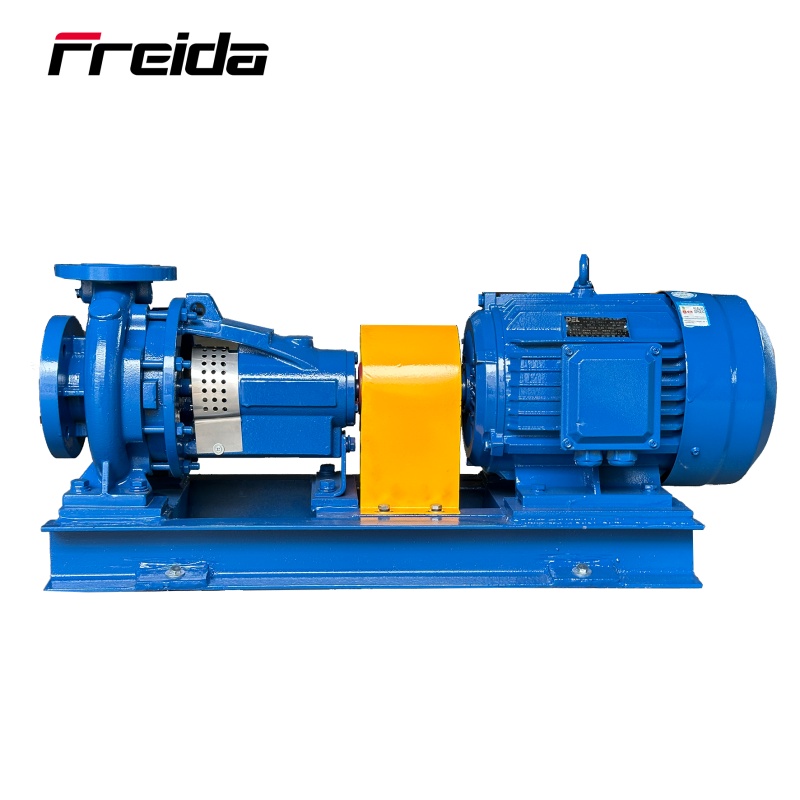
Comparison of Cast Iron Grades for Pump Applications
Not all cast iron is created equal. Depending on the pressure requirements and the nature of the fluid being moved, manufacturers select specific grades of iron to optimize performance and cost-effectiveness.
| Material Grade |
Key Characteristic |
Primary Use Case |
| Gray Iron (Class 30/35) |
Excellent Machinability |
Standard Water Transfer |
| Ductile Iron |
High Impact Resistance |
High-Pressure Systems |
| ASTM A48 |
Tensile Strength focus |
Heavy Industrial Pumping |
Best Practices for Installation and Maintenance
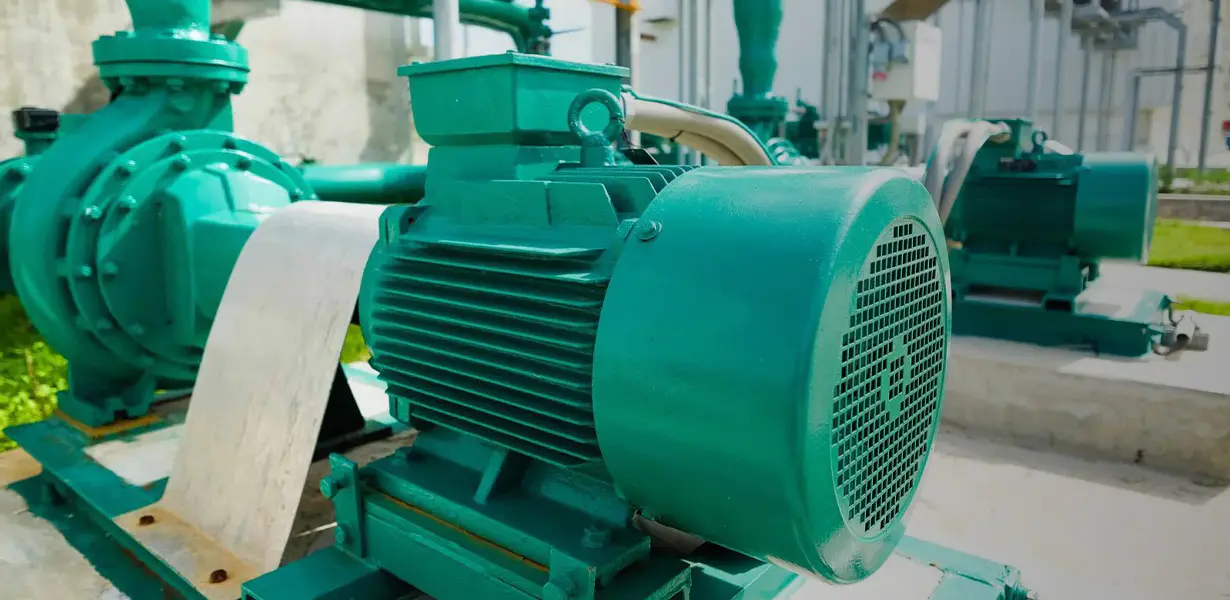
To maximize the ROI of a cast iron centrifugal pump, specific installation protocols must be followed to prevent premature failure. Because cast iron is a brittle material compared to steel, it is susceptible to cracking if subjected to "pipe strain"—the stress caused by misaligned piping pulling on the pump nozzles.
- Ensure the pump baseplate is fully grouted to a concrete foundation to eliminate resonance.
- Perform laser alignment between the motor and pump shaft to protect the cast iron bearing housing.
- Implement a routine lubrication schedule for the bearings to prevent heat transfer to the casing.
- Monitor for "graphitization" in older pumps, where iron leaches out, leaving a weakened carbon structure.
Optimizing Efficiency through Proper Sizing
Operating a cast iron centrifugal pump too far to the left or right of its Best Efficiency Point (BEP) can cause internal turbulence and cavitation. Cavitation is particularly damaging to cast iron impellers, as the collapsing vapor bubbles act like small hammers, pitting the surface of the metal. Engineers should always select a pump where the required duty point falls within 80% to 110% of the BEP. This ensures that the hydraulic loads are balanced, reducing the radial force on the shaft and preserving the integrity of the cast iron volute for decades of operation.



 English
 русский
 Español
 Français