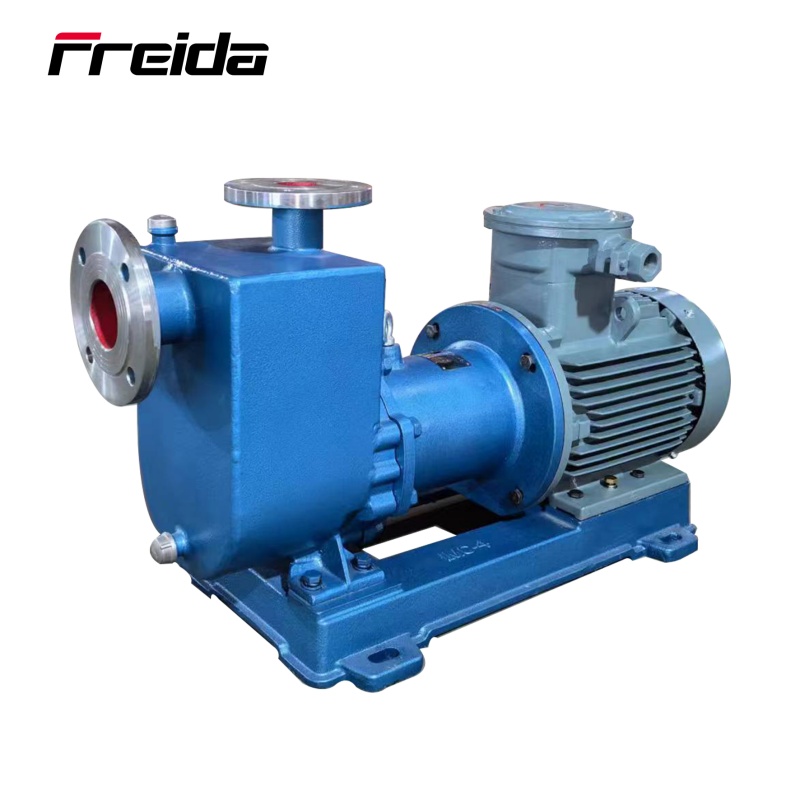
Understanding the Sealless Architecture of Magnetic Drive Pumps
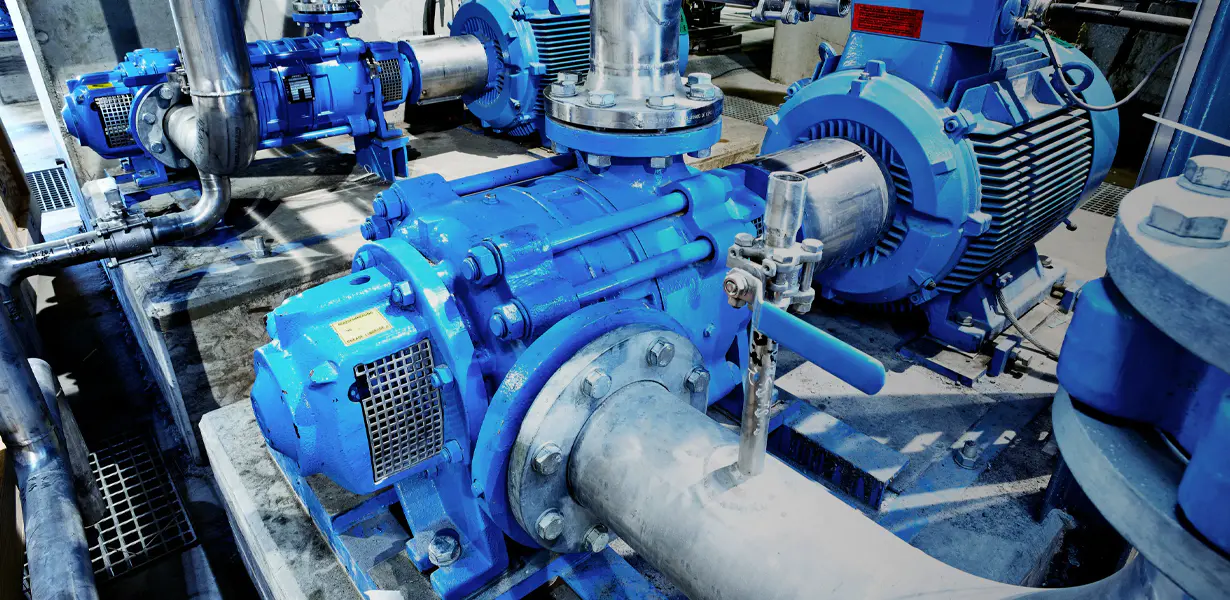
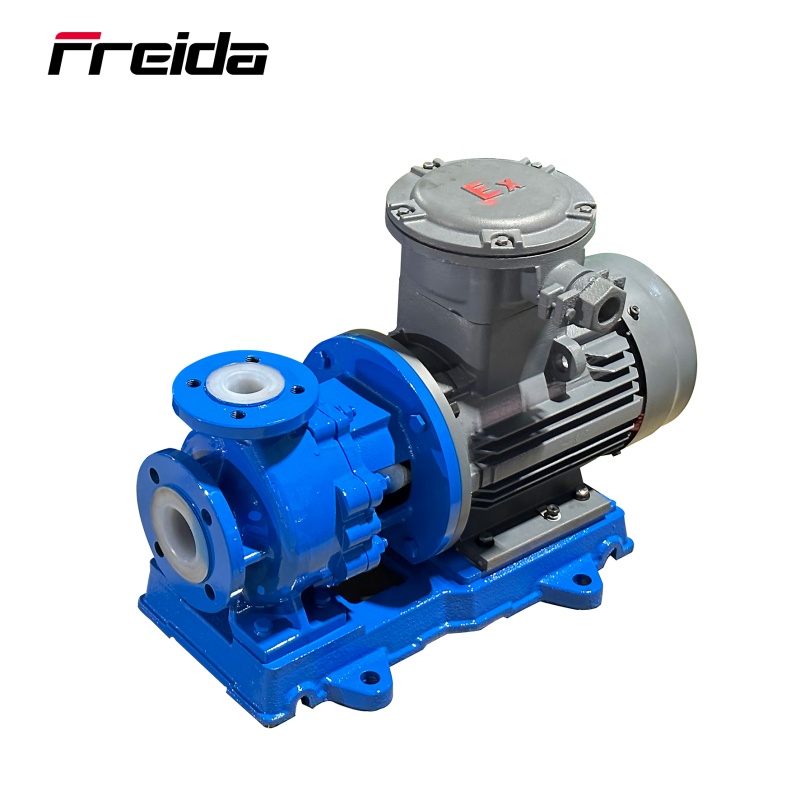
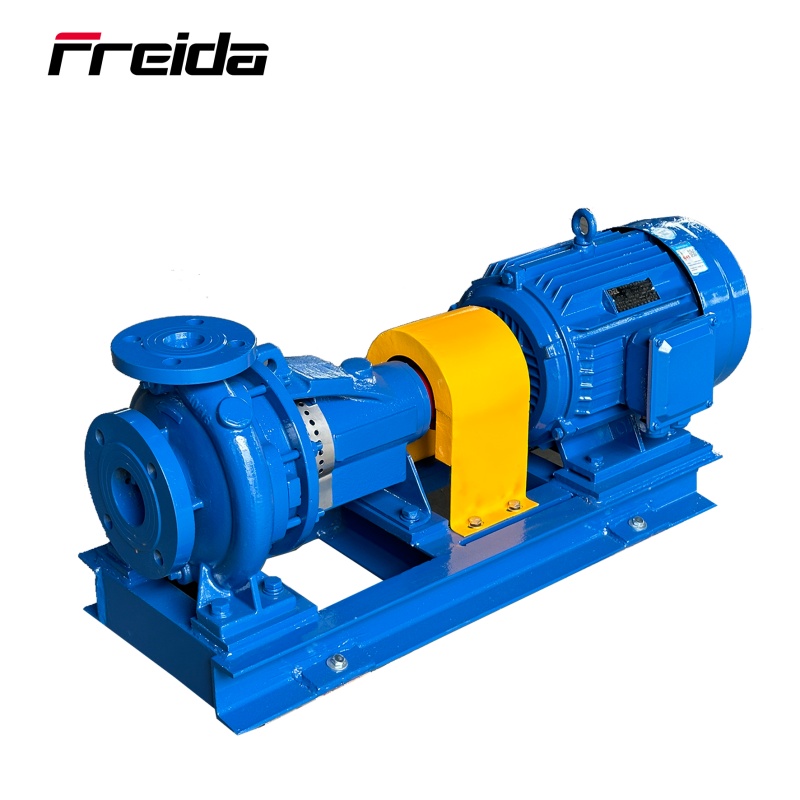
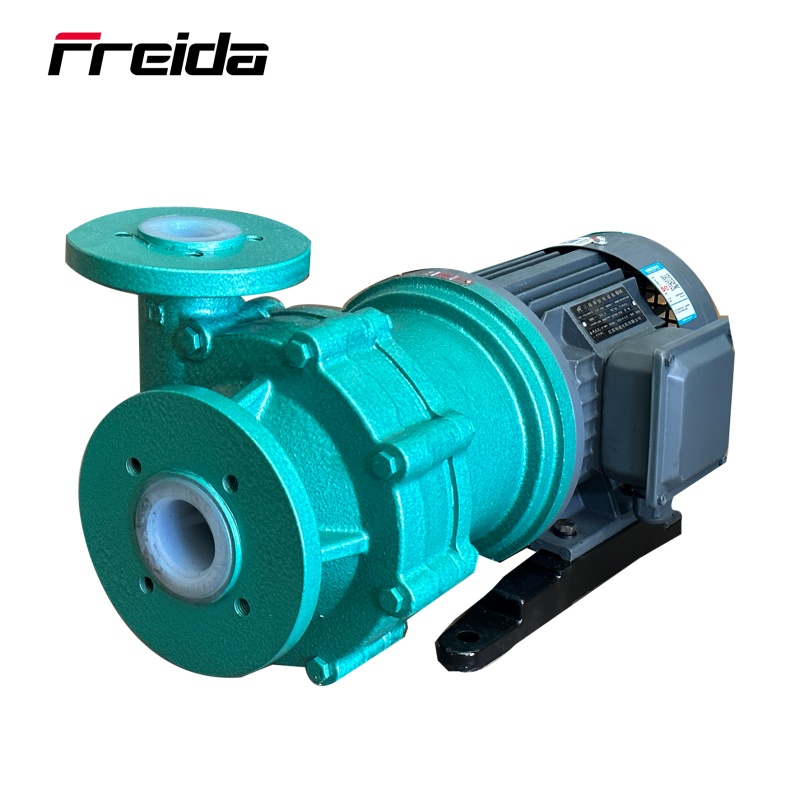
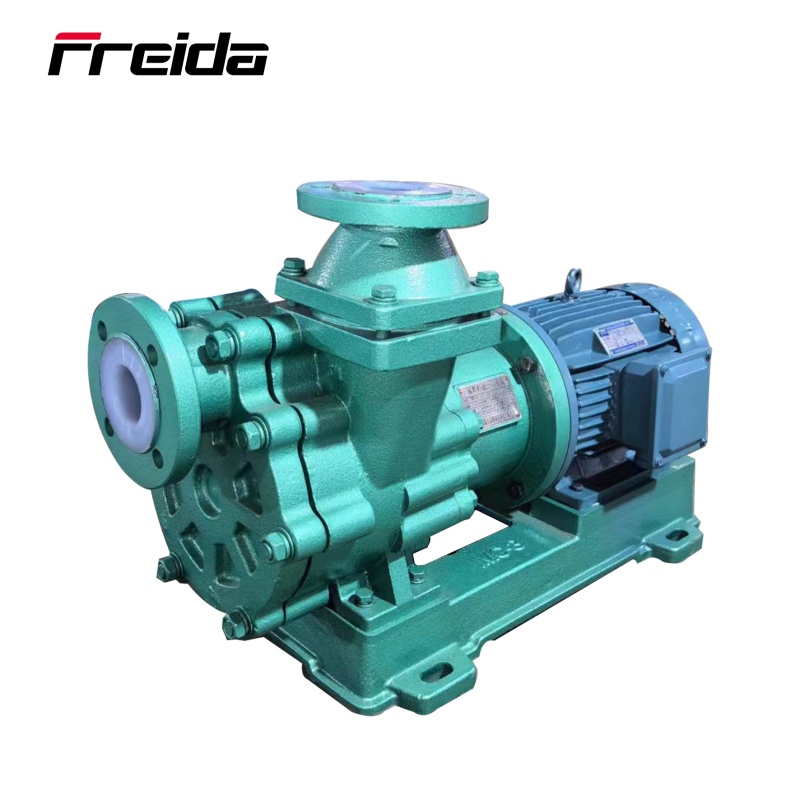
A safe magnetic drive pump (mag-drive) operates on the principle of magnetic coupling, which effectively eliminates the need for a mechanical shaft seal—the most common point of failure and leakage in traditional centrifugal pumps. By using an outer assembly of magnets driven by the motor to rotate an inner magnet assembly attached to the impeller, the liquid remains entirely contained within a hermetically sealed containment shell. This "sealless" design ensures that there is no physical path for the pumped fluid to escape into the environment, making it an essential component for facilities handling hazardous, flammable, or expensive media.
The Role of the Containment Shell
The containment shell is the primary pressure boundary in a mag-drive pump. In high-safety applications, these shells are often constructed from corrosion-resistant alloys like Hastelloy or reinforced technical plastics. Because there is no rotating seal subject to friction and wear, the risk of "catastrophic seal failure" is replaced by a robust, static barrier that significantly improves Mean Time Between Maintenance (MTBM).
Critical Safety Features and Design Standards
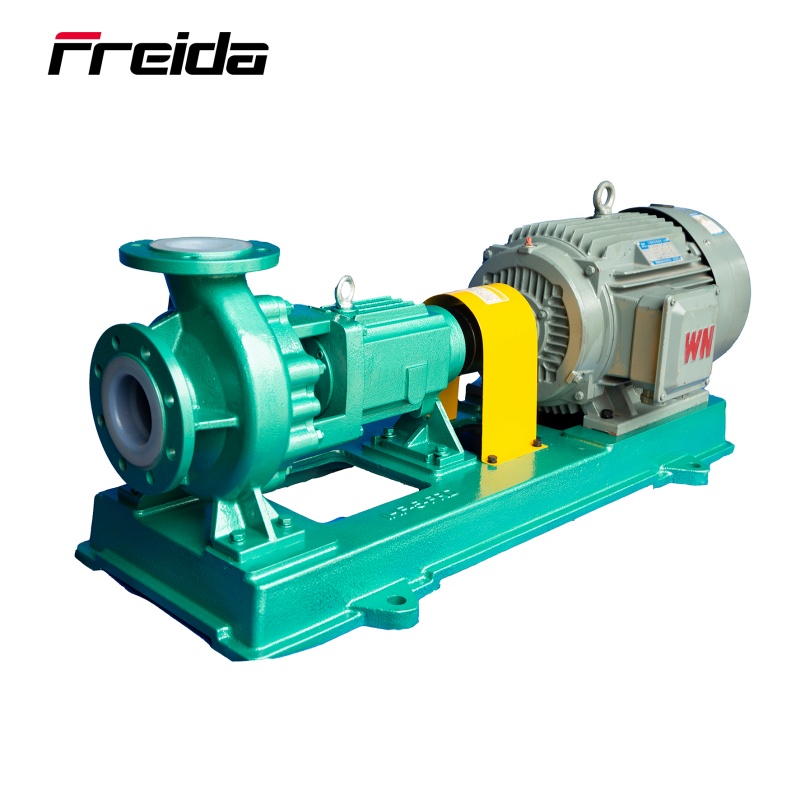
When evaluating a magnetic drive pump for safety-critical environments, specific design features distinguish a standard pump from a high-integrity "safe" model. Engineering teams typically look for compliance with international standards such as ISO 2858 or ASME B73.3, which dictate the dimensional and safety requirements for sealless pumps. These standards ensure that the pump can withstand system pressures and temperatures without compromising the integrity of the magnetic coupling or the containment shell.
- Secondary Containment Systems: Some advanced models feature a dry-running backup seal or a secondary housing to contain fluid in the rare event of a shell breach.
- Internal Circulation Paths: Efficient cooling paths for the internal bearings are vital to prevent heat buildup, which can lead to fluid vaporization or magnetic de-coupling.
- Leak Detection Sensors: Integrated probes can monitor the space between the primary shell and the outer housing to provide an early warning of any internal compromise.
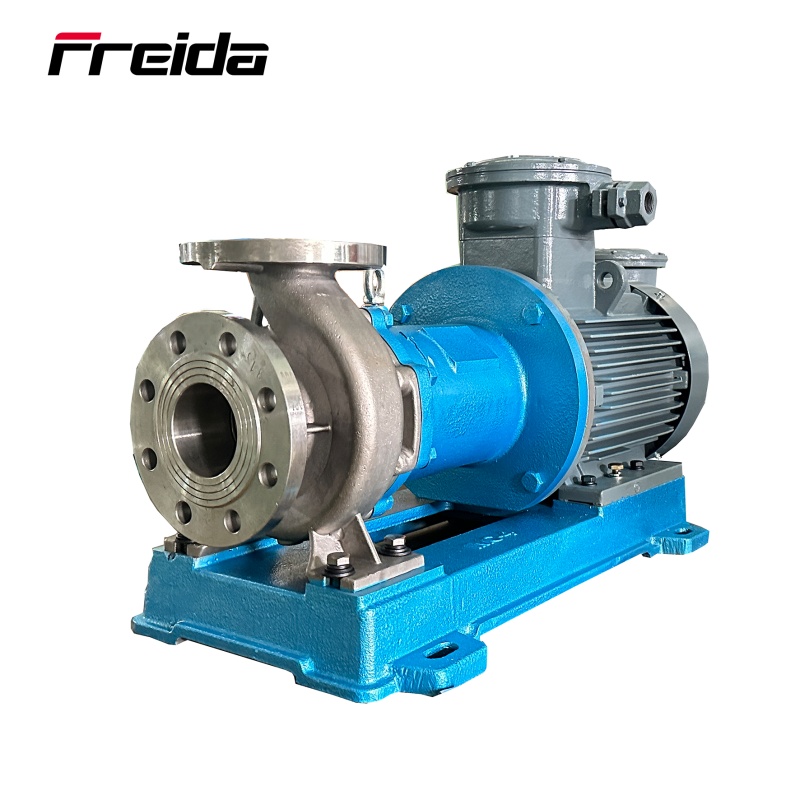
Comparing Standard Centrifugal vs. Safe Magnetic Drive Pumps
The following table outlines the operational differences that contribute to the superior safety profile of magnetic drive technology in industrial settings.
| Feature |
Standard Sealed Pump |
Safe Mag-Drive Pump |
| Leakage Risk |
High (Seal wear/failure) |
Zero (Hermetically sealed) |
| Maintenance Focus |
Frequent seal replacements |
Bearing monitoring |
| Environmental Safety |
Requires leak collection systems |
Inherently safe/Emission-free |
| Operational Cost |
Higher due to downtime/parts |
Lower long-term TCO |
Proactive Monitoring for Enhanced Operational Safety
While magnetic drive pumps are designed for maximum safety, their longevity depends on preventing specific "off-design" operating conditions. Because the internal bearings are lubricated by the process fluid itself, dry running is the primary enemy of a mag-drive pump. Implementing a power monitor is a cost-effective way to ensure safety; these devices detect the drop in motor load if the pump loses prime or runs dry, instantly shutting down the system before heat can damage the containment shell or the magnets.
Temperature and Vibration Tracking
Modern "smart" mag-drive pumps often incorporate thermocouples on the containment shell surface. A sudden spike in temperature can indicate a blockage in the recirculation cooling ports or the onset of cavitation. By integrating these sensors into a centralized PLC, operators can achieve a "fail-safe" status where the pump protects itself from damage, thereby preventing any risk of external leakage caused by heat-induced structural failure.
Material Selection for Corrosive and Hazardous Media
To maintain a "safe" status, the materials of construction must be perfectly matched to the chemical properties of the fluid. For ultra-pure chemicals or highly aggressive acids, ETFE-lined or PFA-lined magnetic drive pumps offer a combination of metallic strength and plastic chemical resistance. For high-temperature hydrocarbons, all-metal constructions utilizing silicon carbide bearings are preferred due to their extreme hardness and thermal stability. Correct material pairing ensures that the pump does not suffer from internal erosion or corrosion, which could eventually thin the containment shell and compromise safety.



 English
 русский
 Español
 Français