A Self-priming Pump is an unsung hero of fluid dynamics, solving a common and frustrating problem that plagues many traditional centrifugal pumps: the presence of air in the suction line. To understand why a self-priming pump is so important, we first need to understand the challenge.
The Problem with Air and Traditional Pumps
Why Conventional Pumps Struggle
Most standard centrifugal pumps operate on a simple principle: they use a spinning impeller to create a low-pressure zone at the inlet (suction) and push the fluid out at high speed and pressure. This is very efficient—as long as the pump is completely filled with the liquid it’s designed to move.
However, if the liquid level is below the pump, the suction line becomes filled with air. A conventional centrifugal pump is not designed to move air; it can’t create enough vacuum (suction pressure) to pull the column of liquid up into the pump casing. When trying to pump air, the impeller simply “churns” the air, leading to a condition called vapor lock or air binding. The pump runs but doesn’t move any liquid.
The Need for Priming
To fix this, an operator must manually “prime” a conventional pump by filling the casing and the suction line with water from an external source. This is time-consuming, requires extra equipment, and is often impractical in remote or unattended locations. This is where the ingenuity of the Self-priming Pump shines.
The Ingenious Mechanics of a Self-Priming Pump
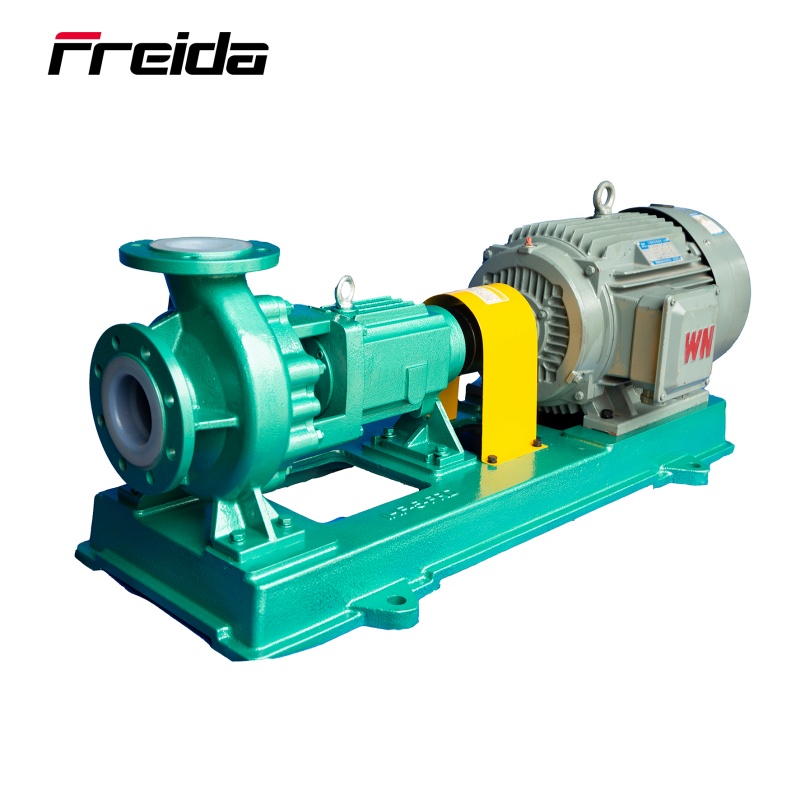
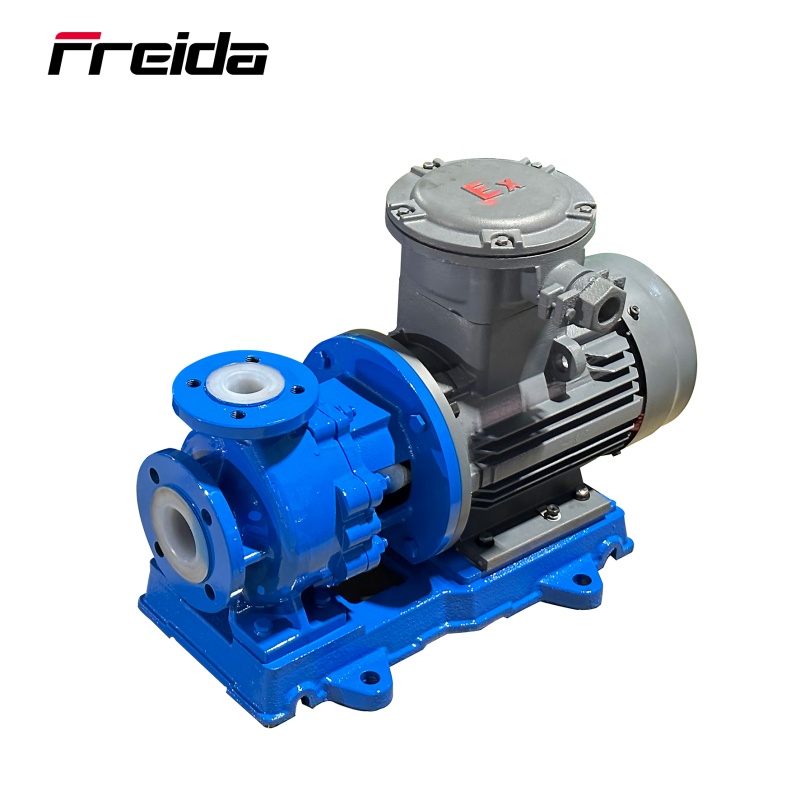
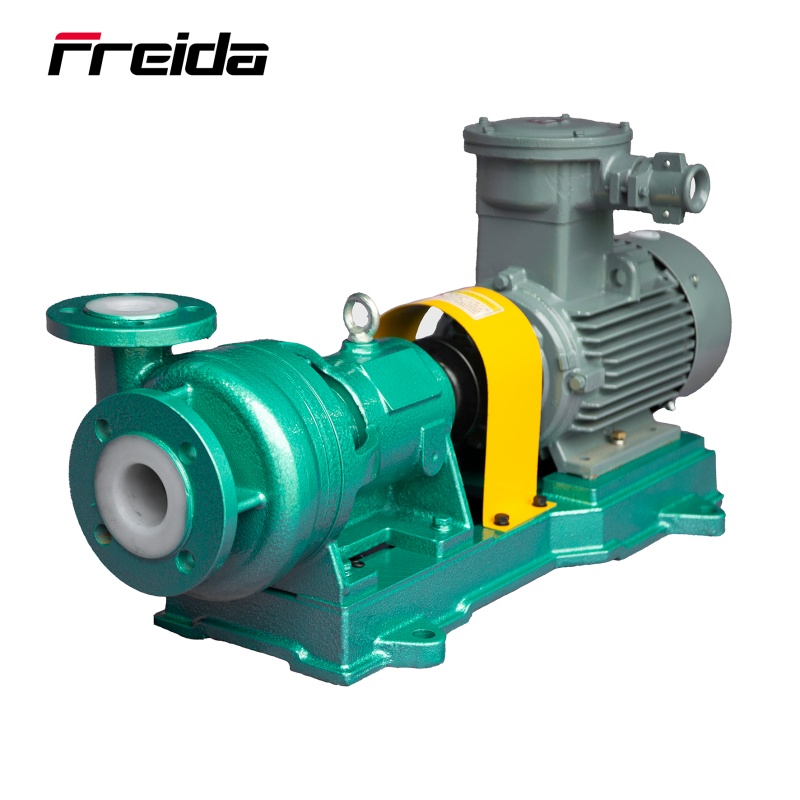
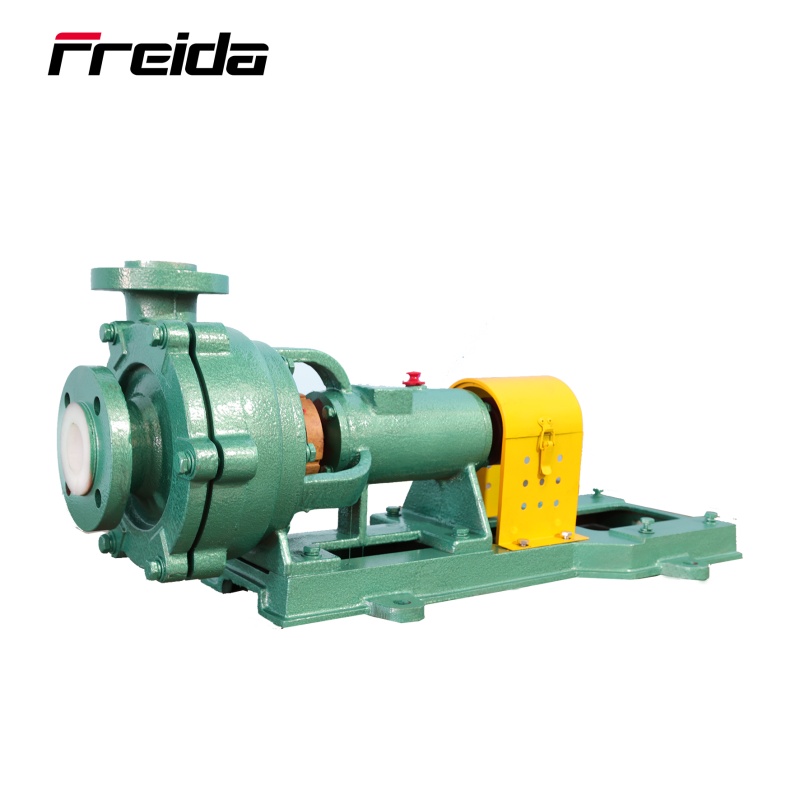
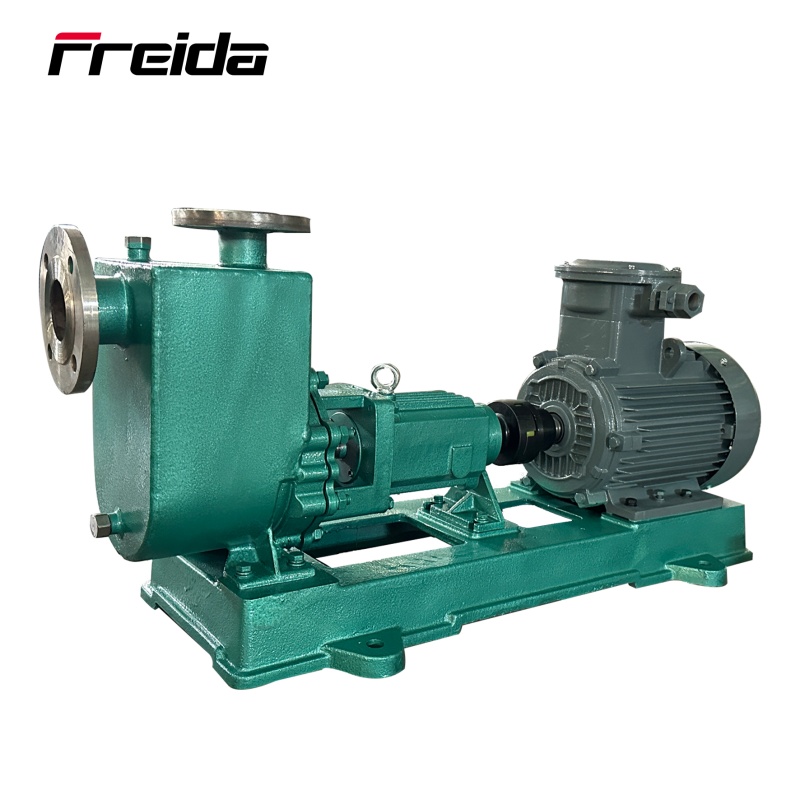
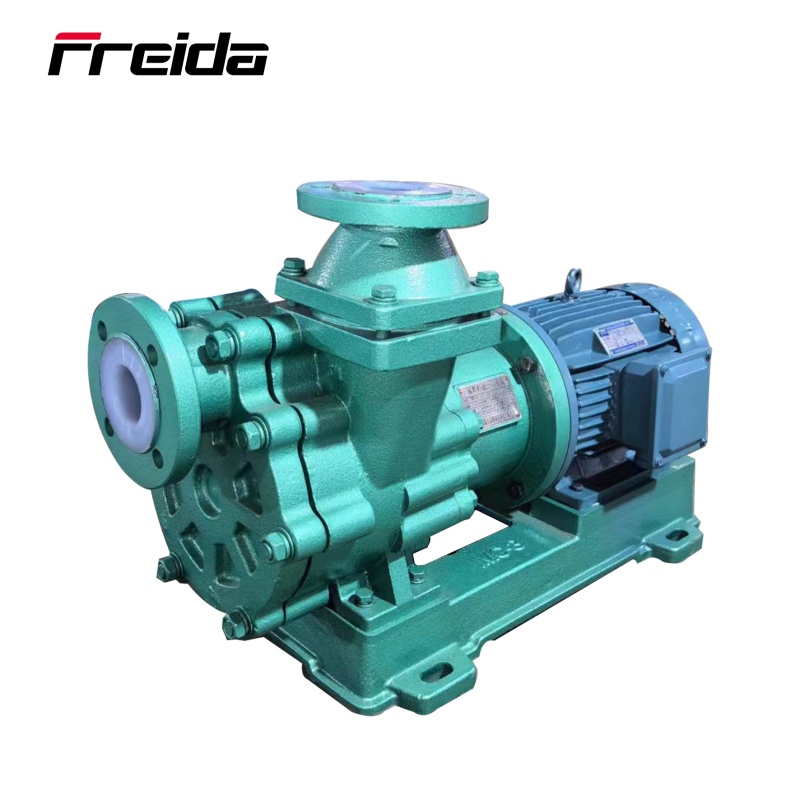
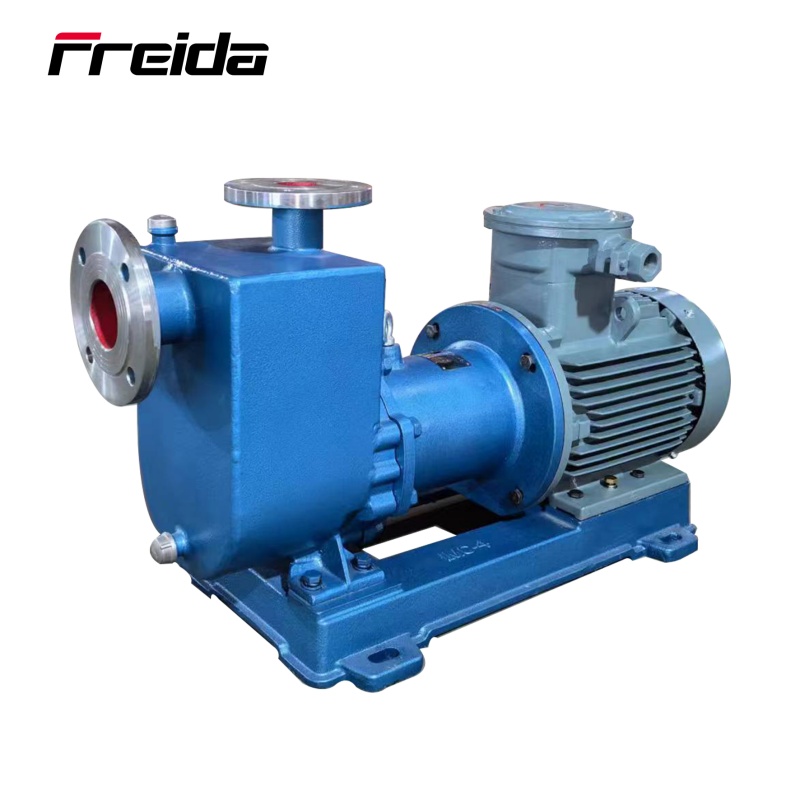
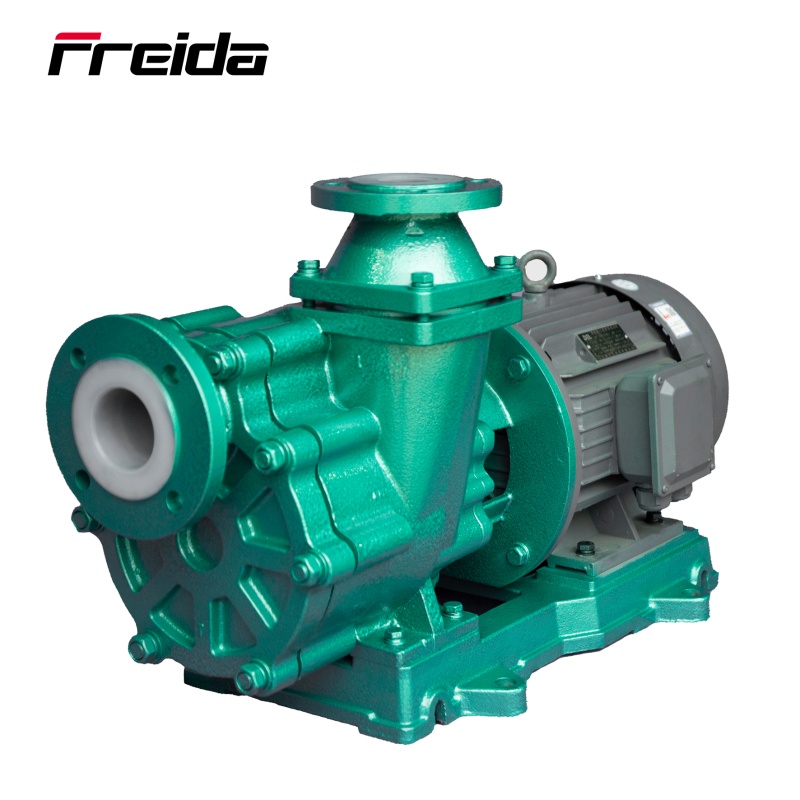
A Self-priming Pump is essentially a centrifugal pump with a clever addition: an integrated reservoir or recirculation chamber built into the pump casing.
The Self-Priming Cycle
- Start-up: When the self-priming pump starts, the casing is already partially filled with liquid from the last operation or from an initial manual fill. This liquid is held in the pump’s reservoir.
- Air and Liquid Mixing: The spinning impeller acts on this retained liquid, accelerating it and pushing it into the discharge port. However, as the liquid leaves the impeller, it’s mixed with the air present in the suction line.
- Separation: The mixture of air and liquid flows into the self-priming pump’s large casing reservoir. Because air is much lighter than the liquid, the two naturally separate. The liquid, due to gravity, drops back down to the impeller, where it is recycled.
- Air Discharge: The lighter air is forced out through the discharge port or a dedicated air-release valve.
- Achieving Prime: This process of trapping and recirculating the liquid while expelling the air continues. With each cycle, more air is removed from the suction line, creating a progressively higher vacuum. Eventually, the pump creates enough suction pressure to lift the liquid column and draw it continuously into the pump. At this point, the pump is “primed” and operates like a standard, highly efficient centrifugal pump.
Where Self-Priming Pumps Make a Difference
The ability of a Self-priming Pump to restart and operate without constant manual intervention makes it invaluable across countless applications:
- Construction Sites: For dewatering trenches and excavations.
- Agriculture: For irrigation where the pump is located above the water source (like a pond or river).
- Wastewater and Sewage: Moving fluids with solids and gas pockets, where manual priming would be difficult and unsanitary.
- Marine Applications: Bilge pumps need to be self-priming to remove water from boat hulls without constant attention.
In essence, the Self-priming Pump eliminates the hassle of air binding, ensuring reliable, automated fluid transfer whenever and wherever it’s needed.



 English
 русский
 Español
 Français