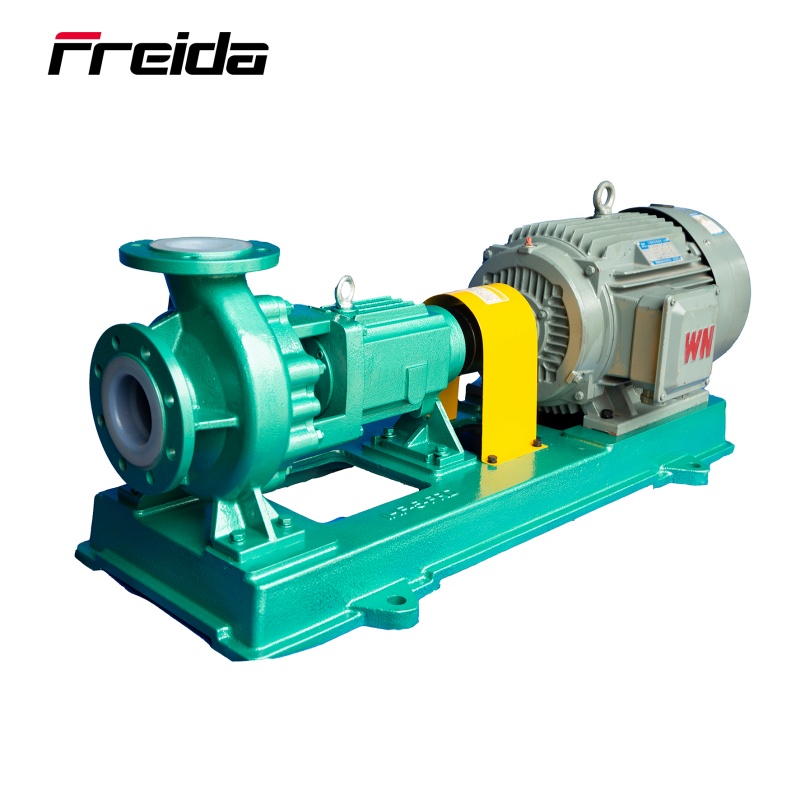
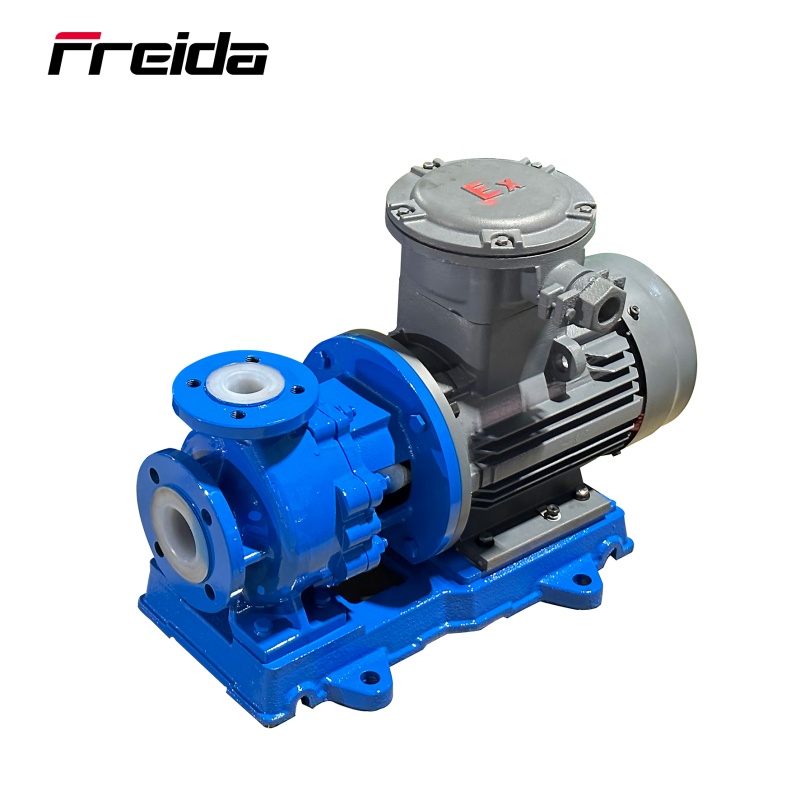
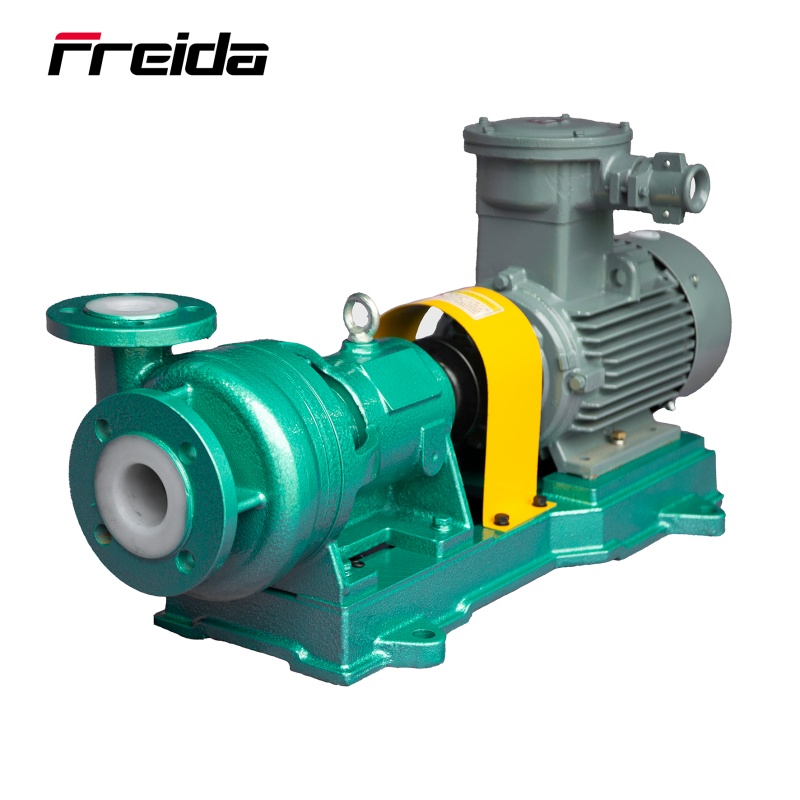
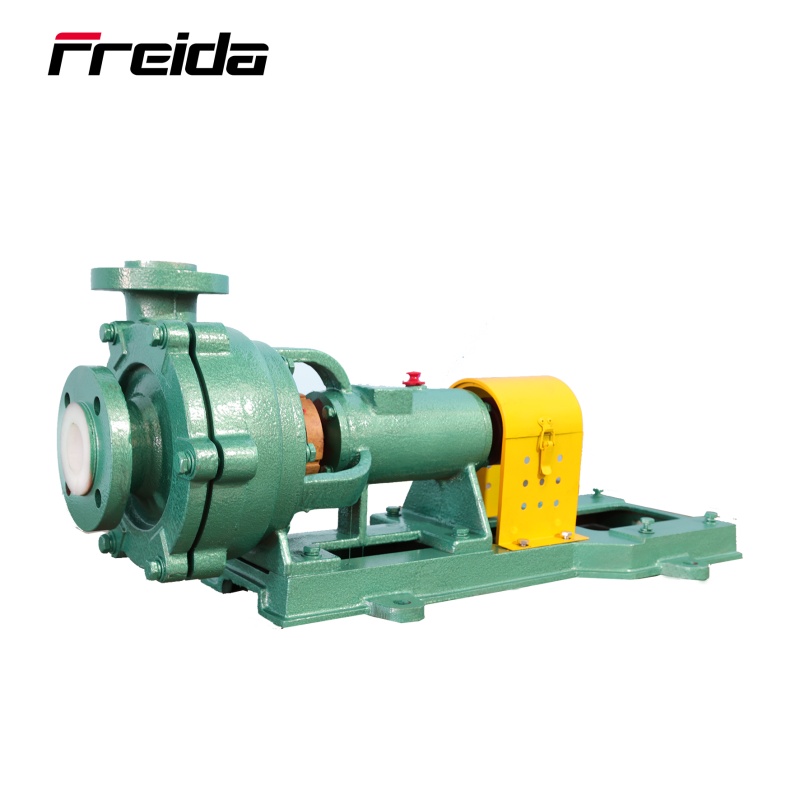
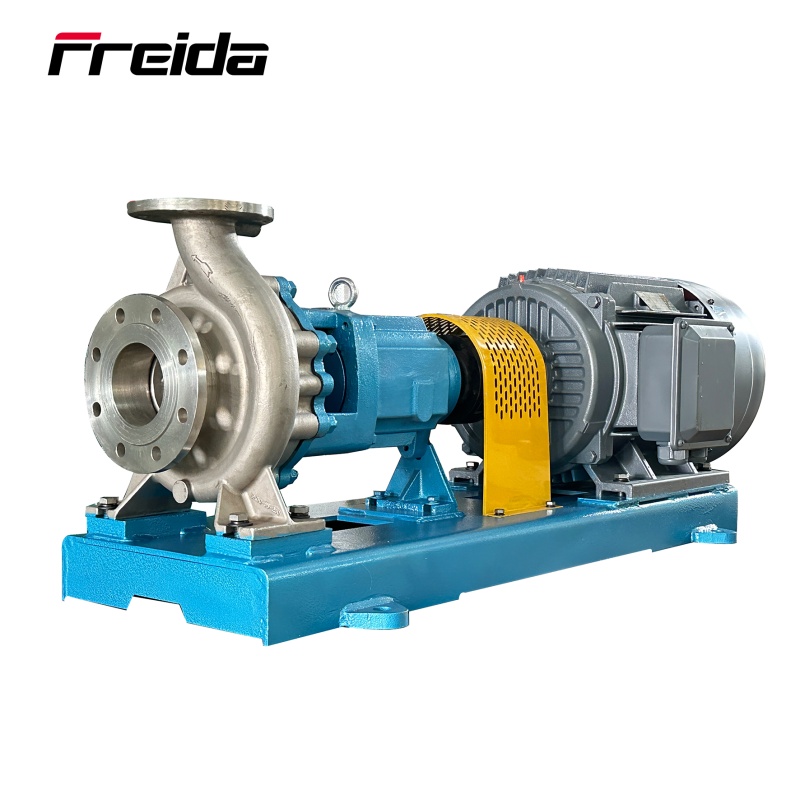
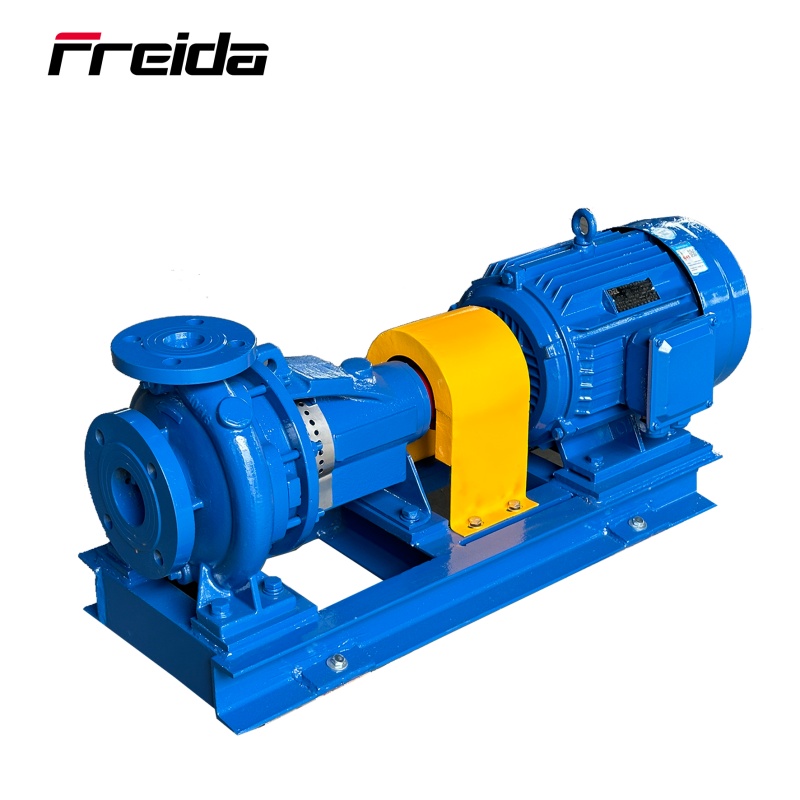
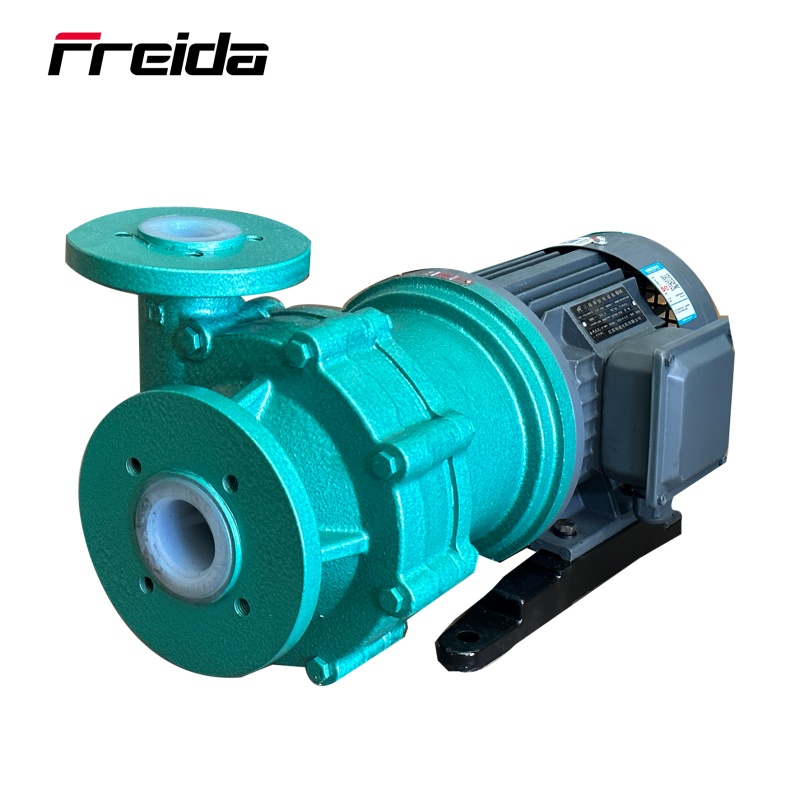
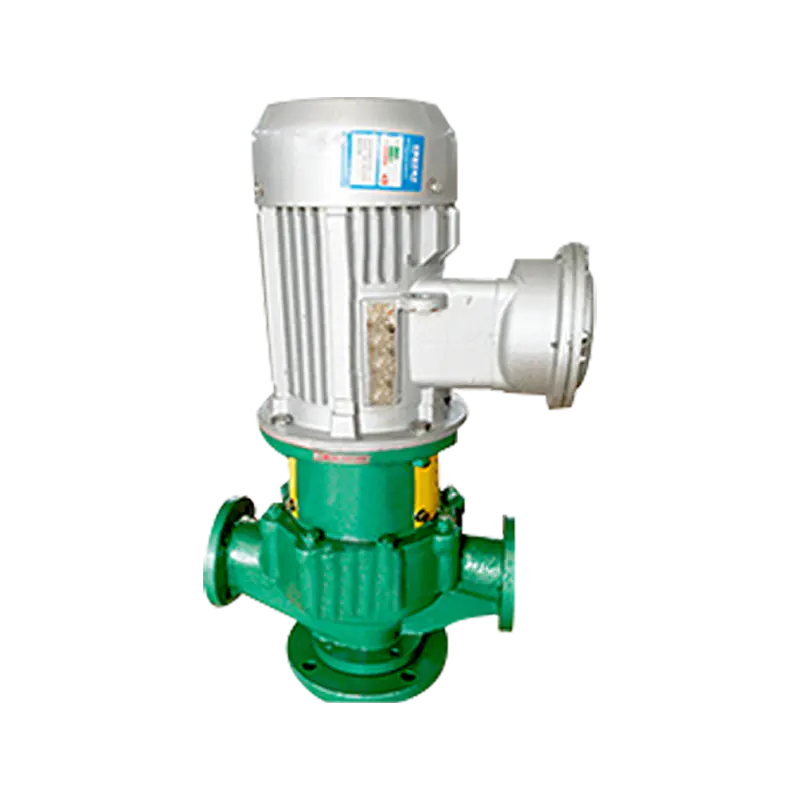
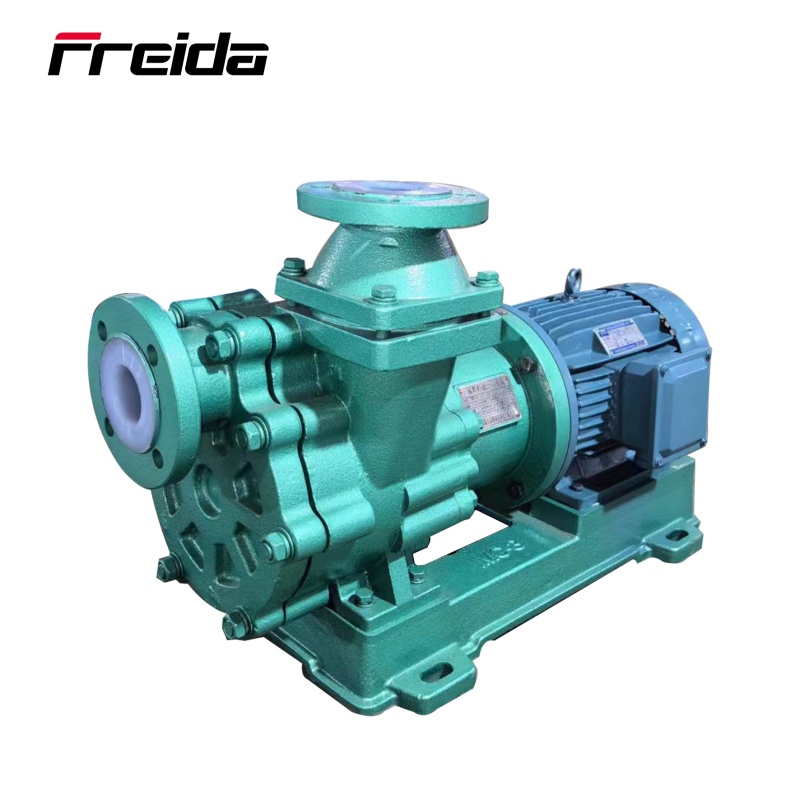
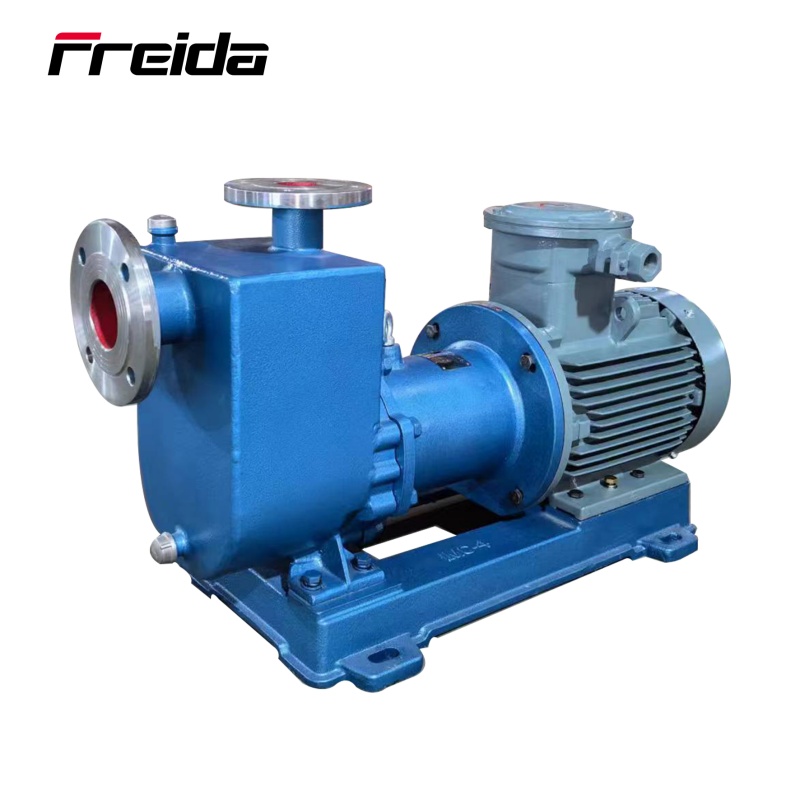
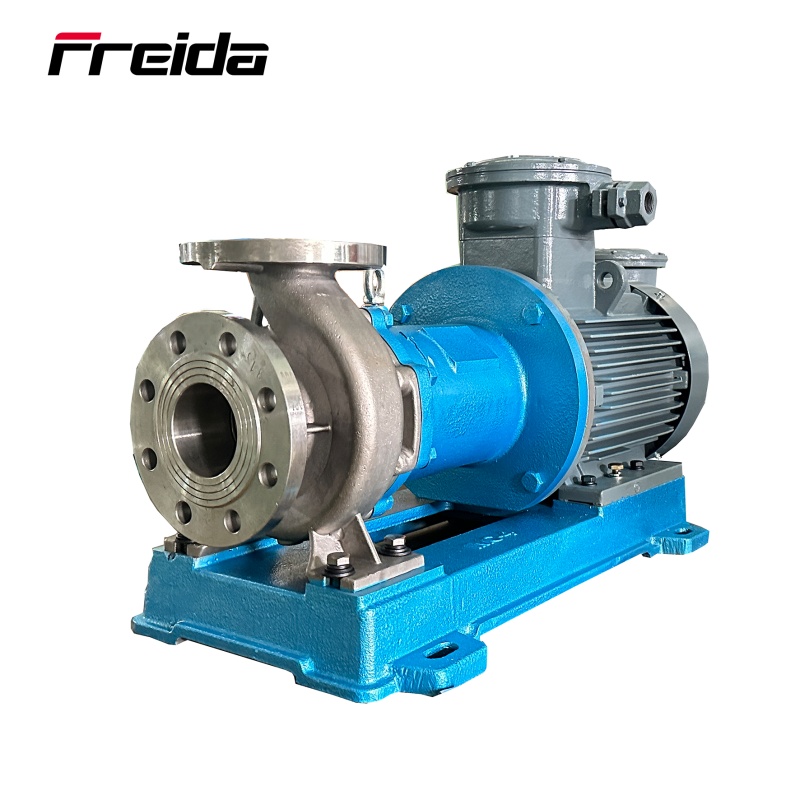
What is a Centrifugal Pump?
The centrifugal pump is arguably one of the most common and vital pieces of machinery in the modern world. Though you may not realize it, these simple yet ingenious devices are constantly at work, moving liquids essential for everything from your morning shower to massive industrial processes. In essence, a centrifugal pump is a mechanical device designed to move fluid by converting rotational kinetic energy, typically from a motor or engine, into hydrodynamic energy (pressure and flow).
How Does the Centrifugal Pump Work?
The operation of a centrifugal pump is based on the principle ofcentrifugal force, the same force that pushes water droplets outward when a washing machine is spinning or when you swing a bucket of water over your head.
The Key Components
A centrifugal pump has three main parts that facilitate its function:
-
The Impeller: This is the rotating component, typically consisting of a set of curved vanes. It's the "heart" of the pump, connected to the motor via a shaft.
-
The Casing (Volute or Diffuser): This is the stationary component that houses the impeller. It is designed to capture the liquid discharged by the impeller and gradually slow down the fluid's velocity, thereby converting the velocity energy into pressure energy.
-
The Suction and Discharge Pipes: The liquid enters the pump through the suction pipe at the center of the impeller (the "eye") and exits through the discharge pipe, which is usually tangential to the casing.
The Pumping Process
-
Suction: The motor rotates the impeller, causing a low-pressure area (a partial vacuum) to form at the impeller's "eye." Atmospheric pressure (or pressure from the supply tank) pushes the liquid up the suction pipe and into the impeller.
-
Acceleration: As the fluid enters the rapidly rotating impeller, the curved vanes impart kinetic energy to the fluid. The fluid accelerates outward from the center of the impeller due to centrifugal force.
-
Pressure Conversion: The fluid leaves the impeller at high speed and enters the volute casing. The casing is specially shaped (it widens toward the discharge) to gradually reduce the fluid's velocity. According to the Bernoulli principle, as velocity decreases, the pressure increases. This high-pressure fluid is then pushed out the discharge pipe.
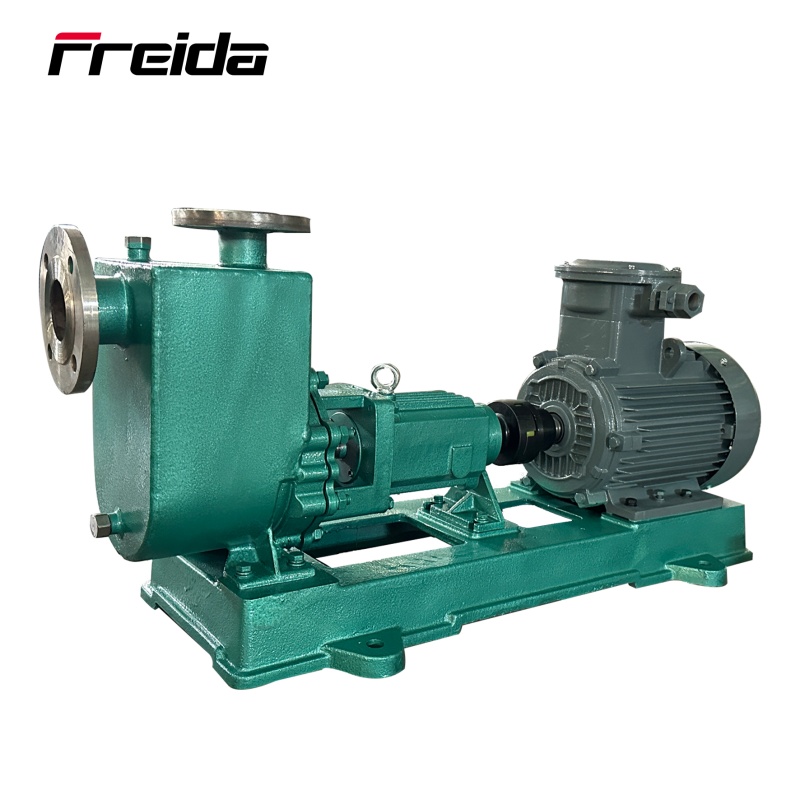
Where Are Centrifugal Pumps Used?
The versatility and reliability of the centrifugal pump have made it indispensable across countless applications.
Household and Commercial Uses
-
Water Supply: Moving water from a well or reservoir to a storage tank or directly into a building's plumbing system.
-
HVAC Systems: Circulating chilled water in air conditioning systems or hot water in heating loops.
-
Wastewater Treatment: Handling sewage and effluent in municipal treatment plants.
Industrial Applications
-
Oil and Gas: Transferring crude oil, refined products, and various chemicals through pipelines.
-
Chemical Manufacturing: Moving corrosive or high-temperature fluids within a process.
-
Power Generation: Pumping cooling water for power plant condensers or boiler feed water.
-
Agriculture: Providing irrigation water to crops.
Advantages and Disadvantages
Benefits of the Centrifugal Pump
-
Simplicity and Reliability: They have few moving parts (mainly just the impeller and shaft), leading to high reliability and lower maintenance costs.
-
Smooth Flow: Centrifugal pumps produce a steady, non-pulsating flow, which is beneficial for many industrial processes.
-
Versatility: They can handle a wide range of fluids, from thin, clean water to thick, abrasive slurries, by adjusting the design (e.g., using open or semi-open impellers).
Limitations to Consider
-
Priming Required: Most centrifugal pumps are not self-priming; they must be filled with the liquid (primed) before starting, or they will only pump air, which is inefficient and can cause damage.
-
Inability to Handle High Viscosity: They lose efficiency rapidly when pumping very thick or viscous liquids.
-
Head Limitations: For extremely high-pressure applications (high 'head'), other types of pumps, like positive displacement pumps, might be more suitable.



 English
 русский
 Español
 Français