How a Self-priming Pump Simplifies Your Pumping Tasks
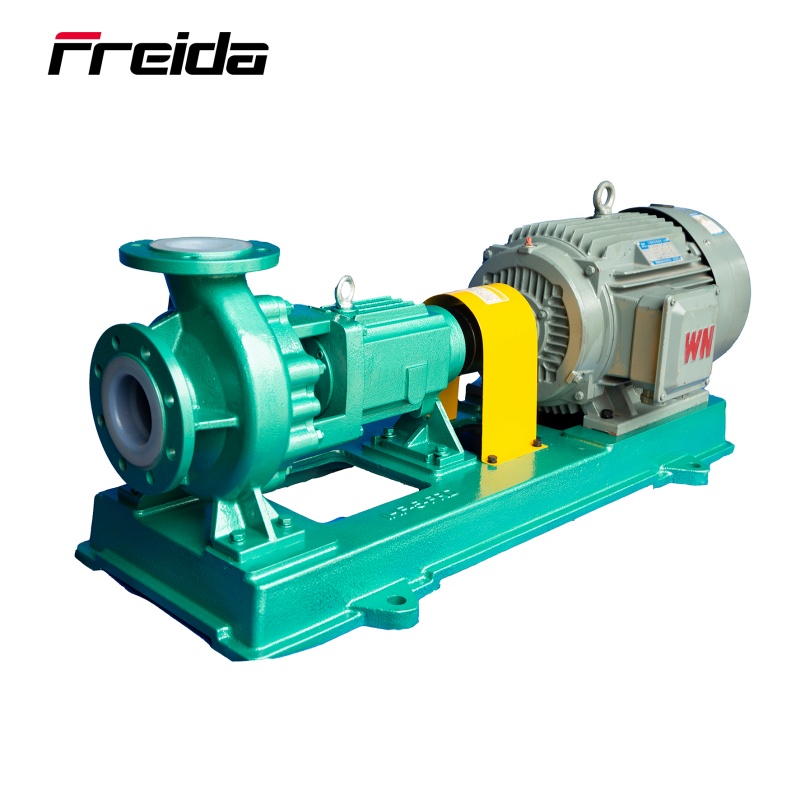
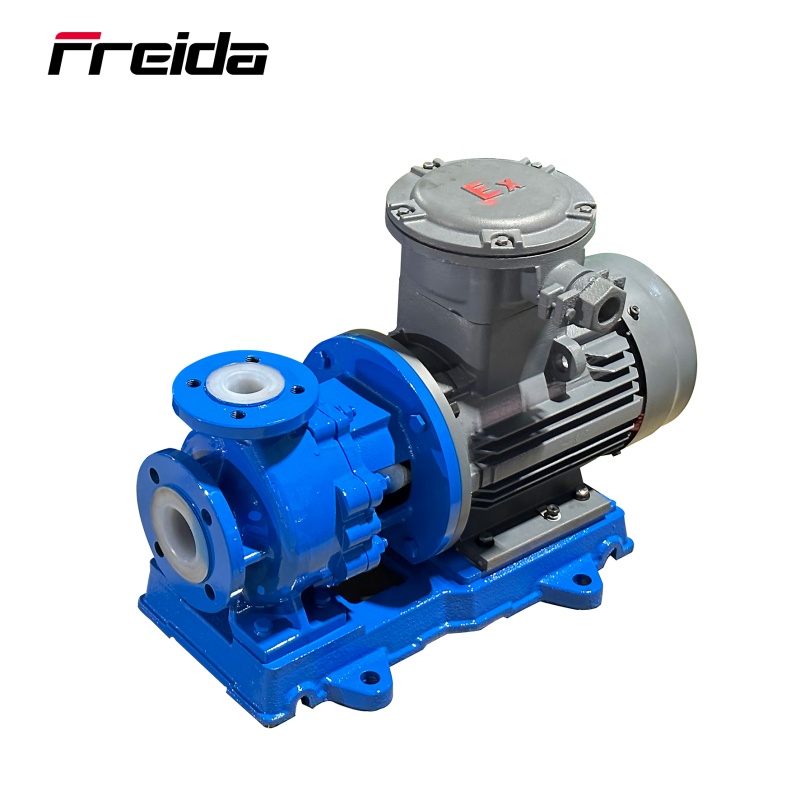
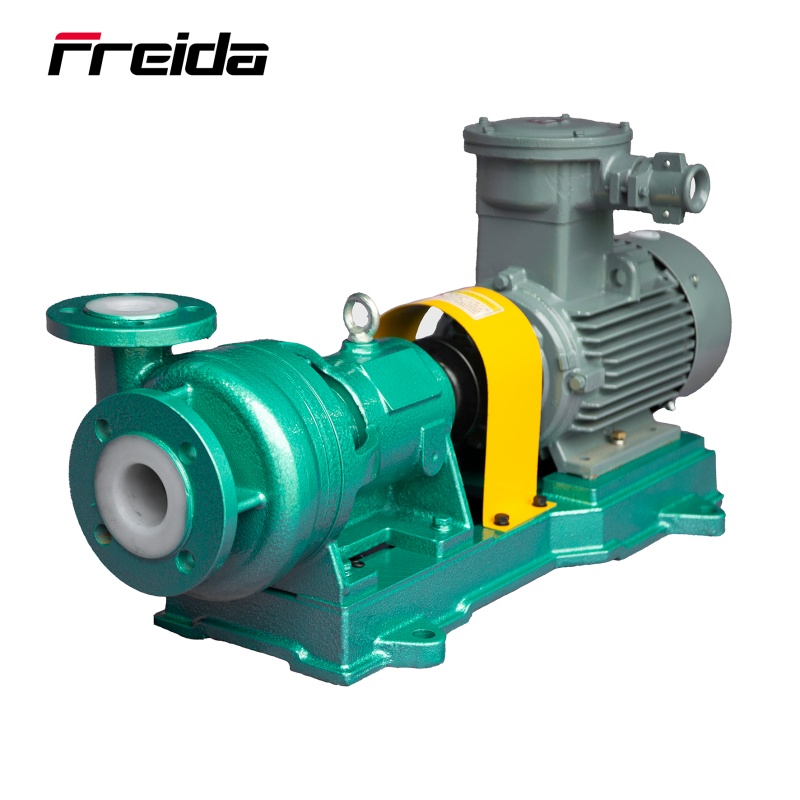
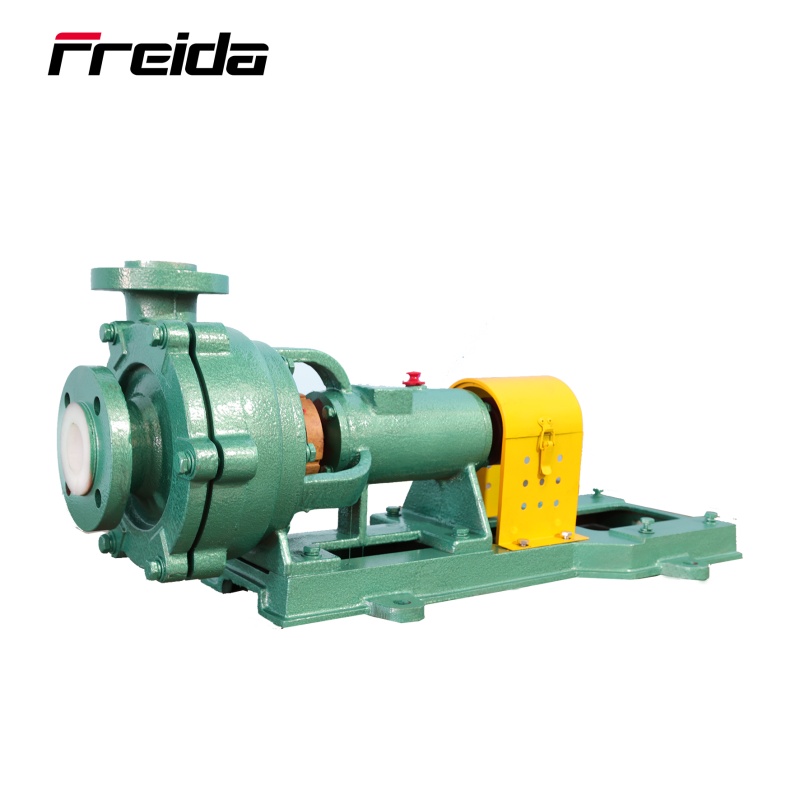
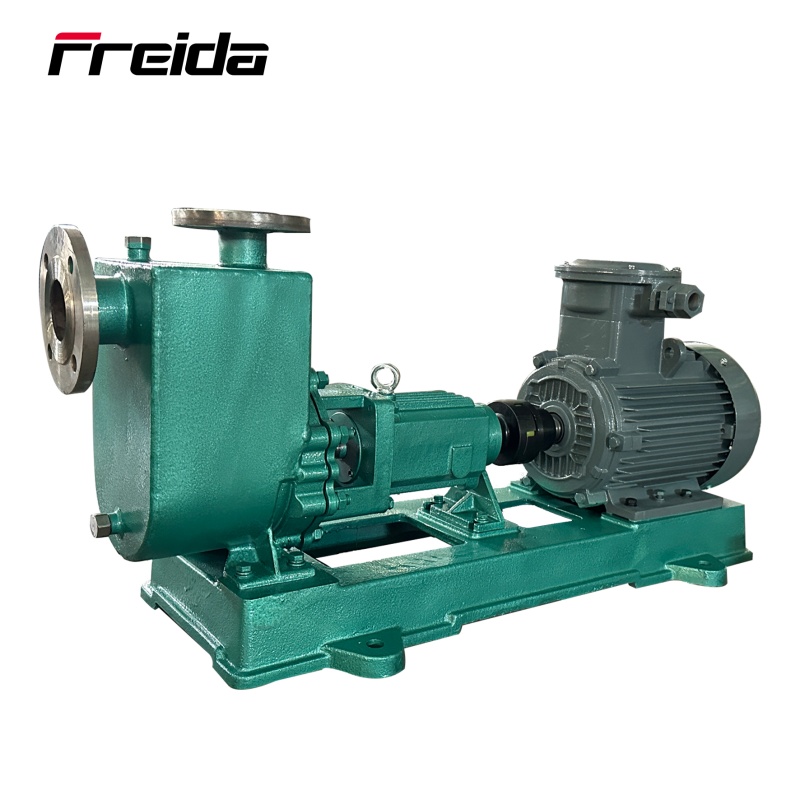
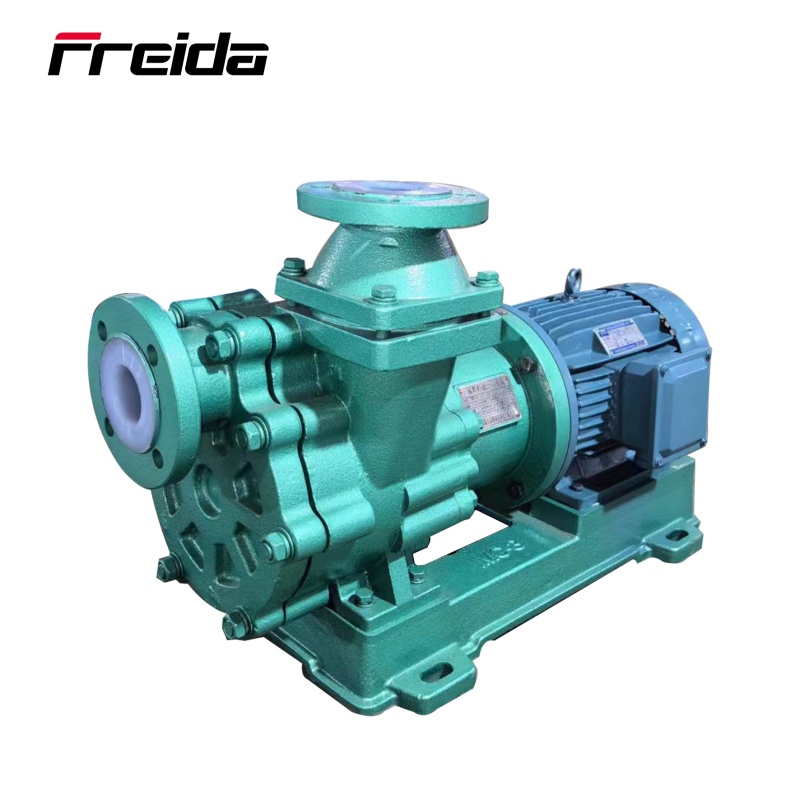
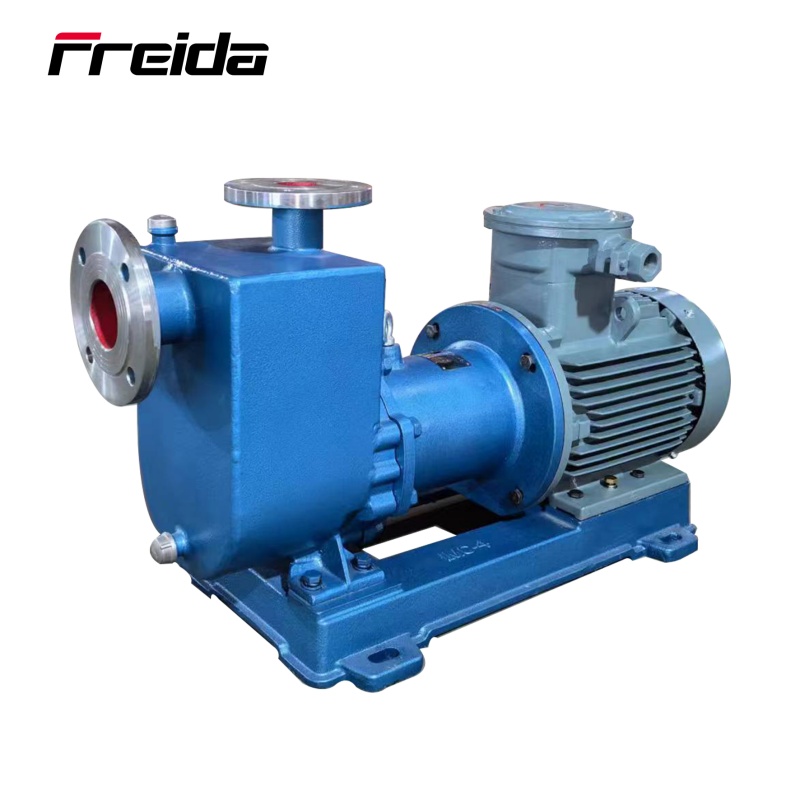
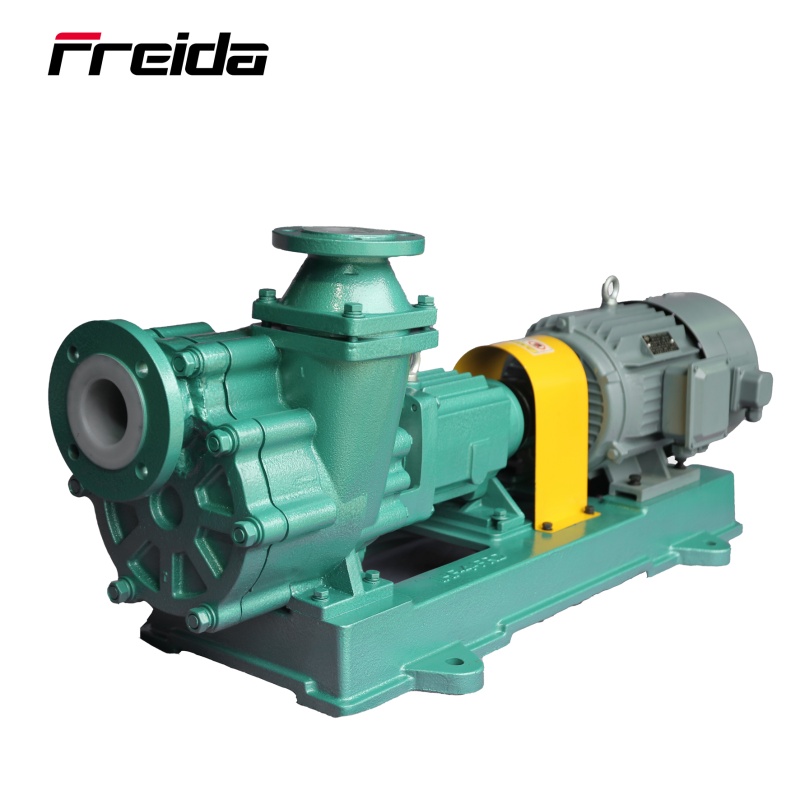
A self-priming pump is a specific type of liquid pump designed to clear its passages of air and resume even-flow pumping without needing external manual intervention. In standard centrifugal pumps, even a small amount of air in the suction line can cause the unit to "air bind," stopping the flow of water completely. However, a self-priming unit is engineered with an internal reservoir or "casing" that retains enough liquid to re-prime the system automatically. This makes them incredibly practical for applications where the pump is located above the liquid level, such as in swimming pools, septic systems, or agricultural irrigation.
The beauty of this technology lies in its ability to mix air and water to create a fluid that can be pumped. Once the air is evacuated from the suction pipe, the pump transitions into its normal centrifugal pumping mode. This "set it and forget it" nature reduces the risk of dry running and eliminates the tedious process of manually filling the suction line with water every time the pump restarts after a period of inactivity.
The Science Behind the Self-Priming Process
The Air-Water Mixing Cycle
When the self-priming pump starts, the impeller rotates and creates a vacuum. This vacuum pulls both air and the residual liquid from the casing into the impeller. The two are mixed into a frothy solution. Because air is lighter than water, it rises and is vented out through the discharge port, while the heavier water falls back into the reservoir to repeat the process. This cycle continues until all the air is pushed out of the suction line and a solid column of water reaches the impeller.
Suction Lift Capabilities
One of the most important technical aspects of these pumps is their "suction lift" rating. This refers to the vertical distance the pump can pull water from below its own level. Most high-quality self-priming pumps can handle a lift of up to 25 feet at sea level. However, as the lift distance increases, the priming time also increases. It is vital to ensure that the suction piping is completely airtight; even a pinhole leak can introduce enough air to prevent the vacuum from forming, rendering the self-priming feature ineffective.
Self-Priming vs. Standard Centrifugal Pumps
While both types of pumps use centrifugal force, their operational requirements differ significantly. Choosing between them depends on where your water source is located in relation to the pump. Below is a breakdown of how they compare in practical scenarios.
| Feature |
Self-priming Pump |
Standard Centrifugal Pump |
| Initial Priming |
Automatic after first fill |
Manual every time air enters |
| Placement |
Above or below water level |
Must be below water level (flooded) |
| Complexity |
Moderate (larger casing) |
Low |
| Maintenance Need |
Lower (handles air pockets) |
Higher (risk of air binding) |
Essential Maintenance for Long-Term Reliability
To keep your self-priming pump running at peak efficiency, you must ensure the casing always has water in it before the very first start-up. While they are "self-priming," they cannot be run bone-dry; they need that initial "charge" of liquid to begin the air-evacuation process. If the pump is run dry for an extended period, the mechanical seal can overheat and fail, leading to leaks and costly repairs.
Regularly check these items to prevent downtime:
- Inspect the suction strainer to ensure it isn't clogged with debris, which can restrict flow and cause cavitation.
- Tighten all pipe joints; air leaks in the suction line are the number one cause of priming failure.
- Check the wear plate and impeller clearance annually, as excessive gaps can reduce the pump’s ability to create a vacuum.
- During winter or freezing conditions, drain the casing if the pump is not in use to prevent the water from freezing and cracking the housing.
By understanding the mechanics and maintenance requirements of a self-priming pump, you can ensure a steady, reliable water supply for your specific application. Whether you are draining a basement or irrigating a field, these pumps offer the versatility and ease of use that traditional centrifugal models simply can't match.



 English
 русский
 Español
 Français